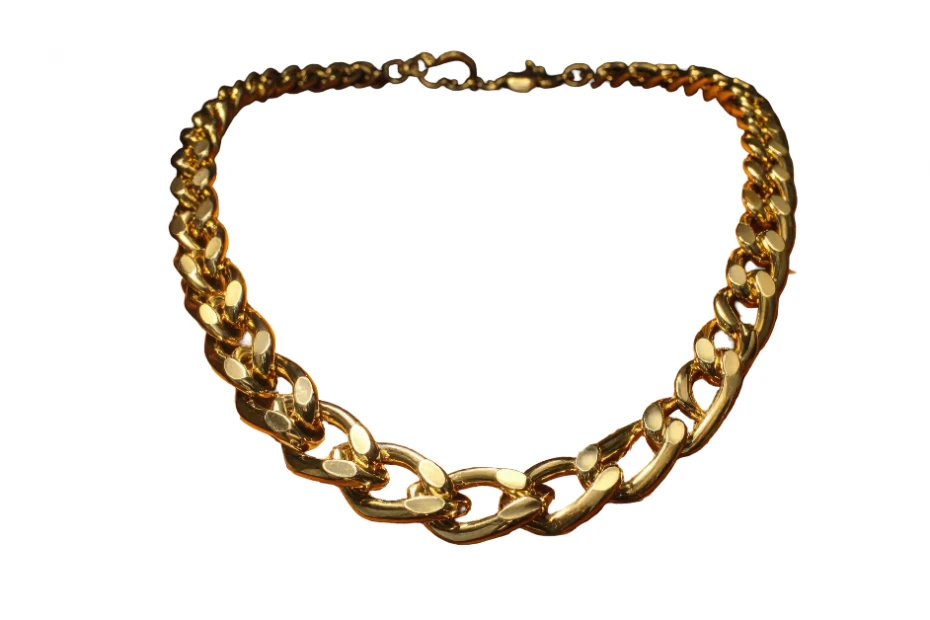

Every household has jewellery that no longer gets worn. Rings from relationships that ended, necklaces that fell out of fashion, earrings missing their partners, and inherited pieces that just sit in boxes. This jewellery represents real value, and selling it is easier than most people think.
Cash for jewellery services exist across South Africa. These businesses buy pieces that owners no longer want or need. The jewellery does not have to be perfect. Broken chains, scratched rings, and outdated designs all have worth based on their metal content and, in some cases, their gemstones.
Why Sell Unworn Jewellery
Jewellery sitting in a drawer does nothing. It does not earn interest. It does not pay bills. It just takes up space and collects dust. Converting it to cash puts that value to work.
Financial needs drive many sales. Medical bills, car repairs, school fees, or business opportunities require funds. Selling jewellery that is not being worn provides money without taking on debt or dipping into savings meant for other purposes.
Changing tastes make some pieces unwearable. A chunky gold chain that suited the 1990s looks wrong now. Jewellery gifted by someone no longer in your life carries memories you might prefer to let go of. Styles that once felt special now sit ignored.
Inherited jewellery often goes unworn. Pieces passed down from parents or grandparents may not match personal taste. Keeping them out of guilt serves no one. Selling them and using the money for something meaningful honours the inheritance in a practical way.
The decision to sell jewellery comes down to simple maths. Is the jewellery serving a purpose? If not, converting it to something useful makes sense.
What Types of Jewellery Can Be Sold
Almost any jewellery has potential value. The condition matters less than most people expect.
Gold jewellery is the most commonly sold. Rings, chains, bracelets, earrings, and pendants all qualify. The gold content determines the base value. Even broken or damaged pieces contain the same gold as intact ones.
Silver jewellery fetches lower prices per gram than gold but still has value. Sterling silver pieces, flatware, and decorative items all sell. Tarnish does not affect the metal’s worth.
Platinum jewellery commands premium prices. This rare metal is worth more than gold by weight. Rings and other pieces marked with platinum stamps attract strong offers.
Gemstones add value in some cases. Diamonds, rubies, sapphires, and emeralds have worth beyond the metal they sit in. Quality, size, and condition affect what gems will fetch.
Costume jewellery generally has little resale value. Pieces made from base metals with plating or fake stones are not worth selling for their materials. Some vintage costume pieces have collector value, but this is the exception.
Finding the Right Buyer
Searching for “sell jewellery near me” brings up various options. Not all buyers offer the same experience or prices. Taking time to find a good buyer protects against disappointment.
Jewellery buyers come in different forms. Specialist precious metal dealers focus on the intrinsic value of gold, silver, and platinum. Jewellery shops may pay more for pieces they can resell. Pawn shops offer quick cash but often at lower rates.
Second hand jewellery buyers look at items from different angles. Some see only scrap value. Others recognise designer pieces or antiques that command premiums beyond metal content. Matching the jewellery to the right type of buyer maximises returns.
Signs advertising “we buy jewellery” appear in many shopping centres and high streets. These businesses make selling convenient, but convenience sometimes comes at the cost of price. Comparing offers from multiple buyers usually yields better outcomes.
Reputation matters when choosing a buyer. Look for established businesses with positive reviews. A professional premises with proper testing equipment suggests a serious operation. Avoid anyone who seems evasive about their pricing methods.
How Pricing Works
Understanding how buyers price jewellery helps sellers evaluate offers.
Metal content forms the foundation for most valuations. Gold is priced by weight and karat. 18 karat gold contains more pure gold than 9 karat and is worth more per gram. Silver and platinum follow similar logic.
The spot price of precious metals changes daily. International markets set these prices in US dollars. The rand value depends on both the metal price and the exchange rate. Selling when prices are high yields more cash.
Buyer margins affect the final offer. Buyers need to cover costs and make profit. The gap between spot price and what they pay varies between businesses. Shopping around reveals who offers the tightest margins.
Design and maker can add value. Pieces from well-known designers or historic jewellery houses sometimes fetch premiums. Antique items with documented provenance attract collector interest. Most everyday jewellery, though, sells for its material value.
Gemstones are valued separately. A diamond ring’s worth includes both the metal and the stone. Quality factors like cut, clarity, colour, and carat weight determine what gems contribute to the total.
Preparing to Sell
A little preparation leads to better outcomes when you sell gold jewellery or other precious items.
Sort items by metal type. Separating gold from silver makes assessment easier. Grouping items by karat, if known, speeds up the process further.
Look for hallmarks and stamps. These markings indicate metal type and purity. Common stamps include 375 (9k gold), 585 (14k gold), and 750 (18k gold). Knowing what you have helps evaluate offers.
Gather any documentation. Original receipts, certificates for diamonds, and appraisals provide useful information. Documentation is not required to sell but can support claims about quality or origin.
Clean items gently if desired. A soft cloth removes surface dirt. Do not use harsh chemicals or attempt repairs. Buyers want to see items in their actual condition.
The Selling Process
Walking into a buyer’s premises with jewellery to sell jewellery for cash follows a predictable process.
The buyer examines each piece. They test metal authenticity using acid tests or electronic analysers. They identify karat markings and assess condition. Gemstones receive separate evaluation if present.
Items are weighed on calibrated scales. The seller should be able to see the scale and the readings. Weight is recorded by metal type and karat.
The buyer calculates an offer based on current metal prices, weights, and their margin. Good buyers explain their calculation openly. They show how they arrived at the figure.
The seller decides whether to accept. There is no obligation to sell. Walking away and comparing offers elsewhere is perfectly acceptable. Pressure tactics from a buyer suggest they are not operating in the seller’s interest.
If the offer is accepted, payment follows. Methods vary by buyer and amount. Electronic transfers handle larger sums safely. Smaller transactions may be paid in cash.
Getting the Best Price
Maximising returns requires some effort.
Get multiple quotes. Visit several buyers with the same items. The variation between offers often surprises people. The highest offer may be significantly better than the lowest.
Understand metal values before visiting buyers. Checking the gold price online takes moments. Knowing roughly what items should fetch based on weight and karat helps identify fair offers.
Ask questions about the pricing process. A buyer who explains their methodology builds confidence. One who refuses to explain should raise concerns.
Consider timing. Metal prices fluctuate. Selling during a high point yields more than selling during a dip. Those who can wait may benefit from watching the market.
Selling jewellery that no longer brings joy makes practical sense. That value can fund experiences, pay obligations, or simply sit in a bank account earning interest. The process is straightforward when approached with basic knowledge and a willingness to shop around.



























Sign in to leave a comment.