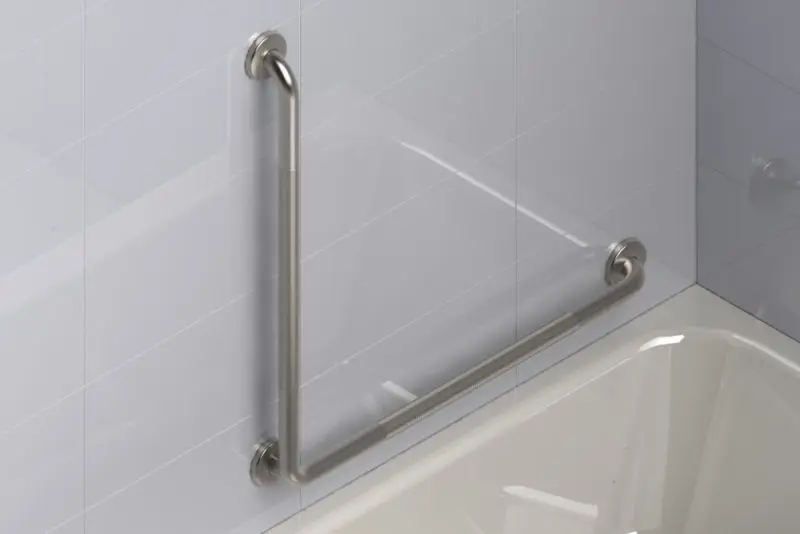

Grab bars are everywhere now—homes, hospitals, public buildings—and there’s a good reason for that. Their job’s pretty straightforward: keep people from slipping or falling by giving them something solid to hold onto. You’ll see them in bathrooms, along hallways, near stairs—basically anywhere someone might need a little extra support. They help older adults, folks with limited mobility, or anyone recovering from an injury feel steadier on their feet. These days, grab bars aren’t just an afterthought; they’re at the heart of modern accessible design, making all sorts of spaces safer and more welcoming.
Why Grab Bars Matter
Let’s be real: bathrooms and wet floors are accident magnets. Falls cause tons of injuries, and grab bars cut that risk way down. Put one by the toilet, in the shower, or next to the tub, and suddenly, everyday tasks get a lot less stressful. Unlike flimsy towel racks, grab bars are built to hold your full weight. For people dealing with balance or strength issues, that kind of support isn’t just nice to have—it’s the difference between doing things on your own and needing help all the time. Grab bars aren’t just about convenience; they actually stop accidents before they happen.
Types of Grab Bars and How They Help
Not every grab bar is the same. Some are straight and simple—just a sturdy rail to grab. Others have an angle, which makes it easier to push up from sitting or steady yourself as you sit down. Foldable grab bars come in handy in tight spaces, especially in small bathrooms. If you’re worried about slippery hands, textured grab bars give you more grip. You’ll find them made from stainless steel, aluminum, or coated finishes for extra durability and rust resistance. Picking the right grab bar comes down to the user’s needs, the room’s layout, and what looks good to you. With so many options, you can get the safety you need without sacrificing style.
How to Install Grab Bars Properly
If you want grab bars to actually help, you’ve got to install them the right way. That means anchoring them into wall studs or using heavy-duty mounts that don’t budge, even when you put your full weight on them. If you skip this step or take shortcuts, those bars can rip right out of the wall—and honestly, that’s just dangerous. The trick is to set them at the right height, angle, and spot for whoever’s using them. In showers, most people go for horizontal or diagonal bars, while near toilets, vertical or angled bars work best. Sure, hiring a pro is always safest, but if you know your way around tools and follow instructions, you can handle it yourself.
Materials and Durability
Grab bars take a beating—they get wet, cleaned, and used all the time. That’s why stainless steel is everywhere: it’s tough and doesn’t rust. If you want something warmer or easier to grip, vinyl-coated or textured bars are a good pick, since they help prevent slipping. Some newer grab bars even have antimicrobial finishes to fight bacteria, which is perfect for hospitals or care facilities. Go for quality, and these things will last for years without much fuss. Don’t skimp on materials—if a grab bar fails, somebody could get seriously hurt. Reliability matters, especially if you’ve got older or disabled family members at home.
Benefits for People with Limited Mobility
For people who have trouble getting around, grab bars aren’t just safety gear—they’re a way to stay independent. With sturdy bars, folks can sit, stand, and move around on their own instead of always needing a hand. That kind of independence builds confidence and cuts back on how much help they need. In rehab, grab bars help with exercises and safer movement, making recovery a little easier. They also take some of the strain off caregivers, who don’t have to do as much heavy lifting. In the end, grab bars make daily routines safer and give people with physical challenges more control over their lives.
Where to Put Grab Bars at Home
Let’s be honest—bathrooms are where most folks slip, so that’s usually the first place people think about grab bars. Showers, bathtubs, right next to the toilet—those spots really make a difference for safety. But don’t stop there. Hallways, near stairs, even beside the bed—these are all smart places if someone needs extra support. Some people even add grab bars in the kitchen, especially if reaching shelves or moving around is tricky. The real trick is to watch how people move through the house and put the bars where they’ll actually use them. A bit of planning goes a long way, making sure help is always within reach and the whole place just feels safer.
Keeping Grab Bars Safe Over Time
Honestly, grab bars don’t take much to maintain, but you do need to check them now and then. Look for loose screws, wobbly brackets, or any rust—those things can turn a safety feature into a hazard fast. Wipe them down with gentle cleaners to keep them clean and not slippery. If your bathroom gets really humid, go for bars made from rust-resistant stuff. And if one ever gets damaged, replace it right away. Staying on top of this keeps everyone safe, year after year.
Style Meets Safety
Forget those old hospital-looking grab bars. These days, you can find ones that actually fit right in with your home’s style. Sleek finishes, hidden screws, even curved designs—they look good and still do the job. Some versions pull double duty as towel racks or little shelves, so you don’t have to sacrifice space or design. With all these options, you can make your home safer without making it feel like a clinic. More people are installing grab bars before there’s any urgent need, just because they look good and make life easier.
Making Public Places More Accessible
Grab bars aren’t just a nice extra—they’re a must-have in public buildings, hospitals, and shops. When you install them the right way, you make life a lot easier for people with disabilities, and you help businesses stay on the right side of safety rules. Honestly, grab bars make spaces feel more welcoming because they let everyone get around without worrying about slips or falls. Think about schools, offices, parks, or busy shopping centers. Adding grab bars in bathrooms or along busy hallways just makes sense. When we focus on accessibility, we make our communities safer for everyone, not just a few.
Conclusion
Grab bars might seem simple, but they pack a punch when it comes to safety and independence. They stop falls before they happen, so they’re important everywhere—at home, in hospitals, or out in public. There are tons of styles and materials to choose from, so you can always find something that fits. And if you put them in the right spots and keep them in good shape, they’ll do their job for years. As more people start paying attention to safety and accessibility, grab bars will keep standing out as an easy way to help everyone move around with a little more confidence.








Sign in to leave a comment.