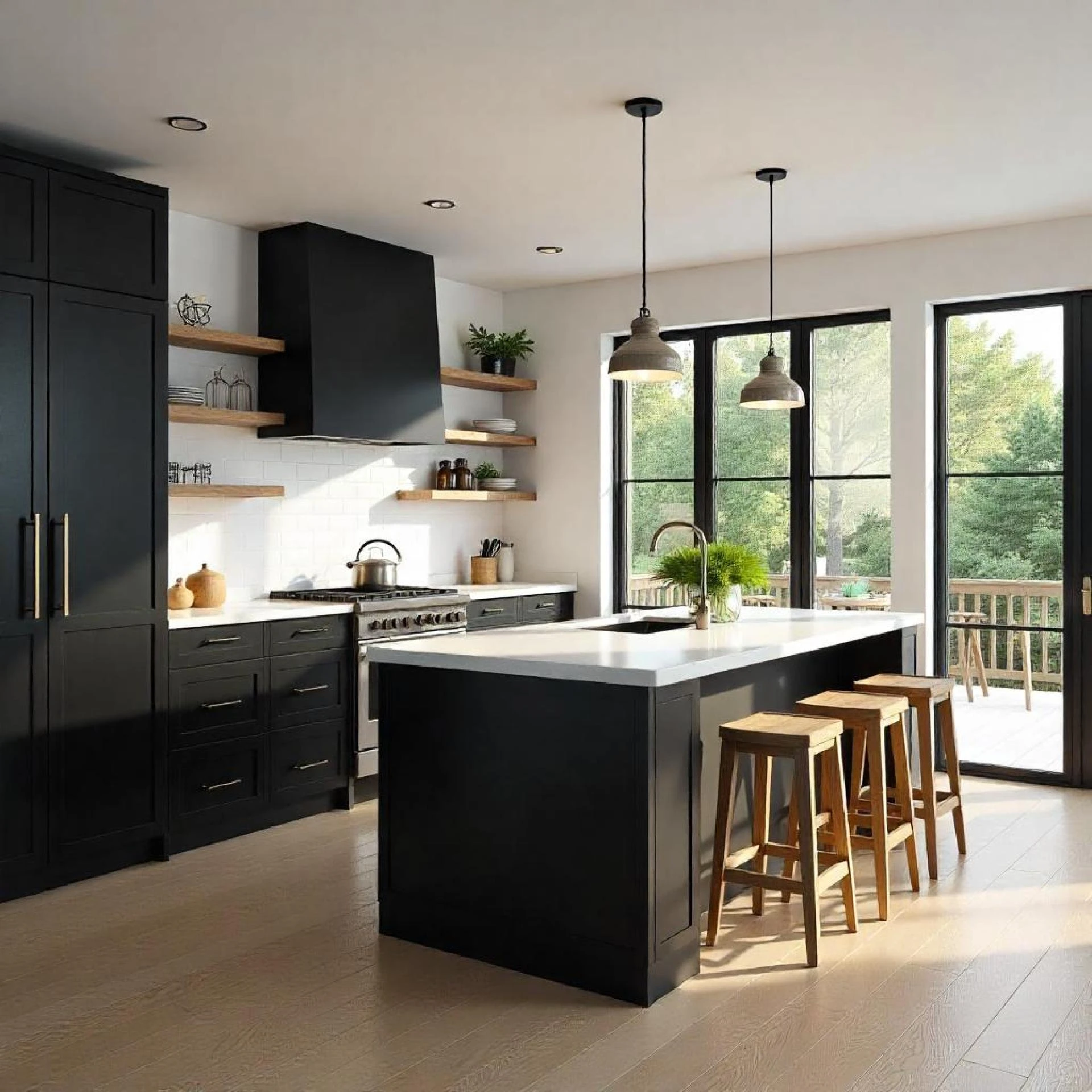
Choosing the perfect countertop material for your Long Island kitchen represents one of the most significant decisions in your home renovation journey. With coastal humidity, varying temperatures, and the demands of busy family life, Long Island homeowners need surfaces that combine beauty with exceptional durability. This comprehensive comparison between granite and quartz will help you make an informed decision that suits your lifestyle and budget for Kitchen Countertops Long Island.
Understanding Granite Countertops
Granite stands as nature's masterpiece, formed deep within the earth over millions of years. This natural stone offers unparalleled beauty with unique patterns, colors, and mineral compositions that ensure no two slabs are identical. Each granite countertop tells its own geological story through distinctive veining, speckled patterns, and rich color variations.
The durability of granite makes it particularly suitable for Long Island's climate challenges. This natural stone withstands temperature fluctuations common in the region, from humid summers to freezing winters. When properly sealed, granite resists staining and maintains its lustrous appearance for decades.
However, granite requires periodic maintenance to preserve its protective seal. Long Island homeowners should reseal granite surfaces annually to maintain stain resistance, especially in kitchens that see heavy use. The porous nature of natural stone means spills should be cleaned promptly to prevent permanent staining.
Exploring Quartz Countertops
Engineered quartz represents modern innovation in countertop materials. Manufactured from approximately 90% natural quartz crystals combined with polymer resins and pigments, this material offers consistency that natural stone cannot match. The manufacturing process allows for precise color control and pattern uniformity across entire installations.
Quartz excels in maintenance requirements, requiring no sealing or special treatments. This non-porous surface resists bacteria, stains, and scratches better than most natural stones. For busy Long Island families, this translates to easier daily maintenance and long-term care.
The design flexibility of quartz appeals to homeowners seeking specific aesthetic outcomes. Manufacturers can create consistent patterns, solid colors, or even mimic natural stone appearances with remarkable accuracy.
Cost Considerations for Long Island Homeowners
Both materials fall within similar price ranges, though specific costs vary based on selection, complexity of installation, and local market conditions. Granite prices fluctuate based on rarity, origin, and slab thickness. Exotic granites command premium prices, while more common varieties offer budget-friendly options.
Quartz pricing remains more predictable, with costs determined primarily by brand, color complexity, and edge treatments. While initial investments may seem substantial, both materials add significant value to Long Island properties, making them worthwhile long-term investments.
Installation costs should factor into your budget planning. Both materials require professional installation, but granite may need additional structural support due to its weight. Complex edge profiles and cutouts increase labor costs for both materials.
Performance in Long Island's Climate
Long Island's coastal environment presents unique challenges for countertop materials. High humidity levels, salt air exposure, and temperature variations require surfaces that maintain structural integrity and appearance over time.
Granite's natural composition handles these environmental factors exceptionally well. The material's thermal properties allow it to remain cool during hot summers, making it comfortable for food preparation. However, prolonged exposure to acidic substances can etch the surface, requiring careful maintenance.
Quartz demonstrates superior resistance to environmental stressors. Its engineered composition eliminates concerns about natural variations in porosity or mineral composition that might affect performance. The consistent density throughout the material ensures uniform durability across the entire surface.
Aesthetic Impact on Kitchen Design
Your countertop choice significantly influences your kitchen's overall aesthetic. Granite offers timeless natural beauty that complements both traditional and contemporary design schemes. The unique characteristics of each slab create focal points that enhance kitchen visual appeal.
Quartz provides design predictability that appeals to homeowners seeking specific aesthetic outcomes. Color matching across large installations becomes seamless, and the ability to achieve consistent patterns supports cohesive design themes.
Both materials pair beautifully with popular Long Island kitchen styles, from hamptons-inspired coastal designs to sleek modern installations. Your choice ultimately depends on whether you prefer natural variation or engineered consistency.
Also Read this Blog: How to choose the right kitchen countertop for your home
Frequently Asked Questions
Which material lasts longer in Long Island kitchens?
Both granite and quartz can last decades with proper care. Granite's longevity depends on consistent maintenance, while quartz offers durability with minimal upkeep requirements.
How do these materials handle Long Island's humidity?
Quartz performs better in high humidity due to its non-porous surface. Granite requires proper sealing to prevent moisture-related issues but handles humidity well when maintained correctly.
Which option adds more value to Long Island homes?
Both materials significantly increase property values. Granite appeals to buyers preferring natural materials, while quartz attracts those seeking low-maintenance luxury.
Can I install either material myself?
Professional installation is strongly recommended for both materials due to their weight, specialized cutting requirements, and the precision needed for proper fitting.





















Sign in to leave a comment.