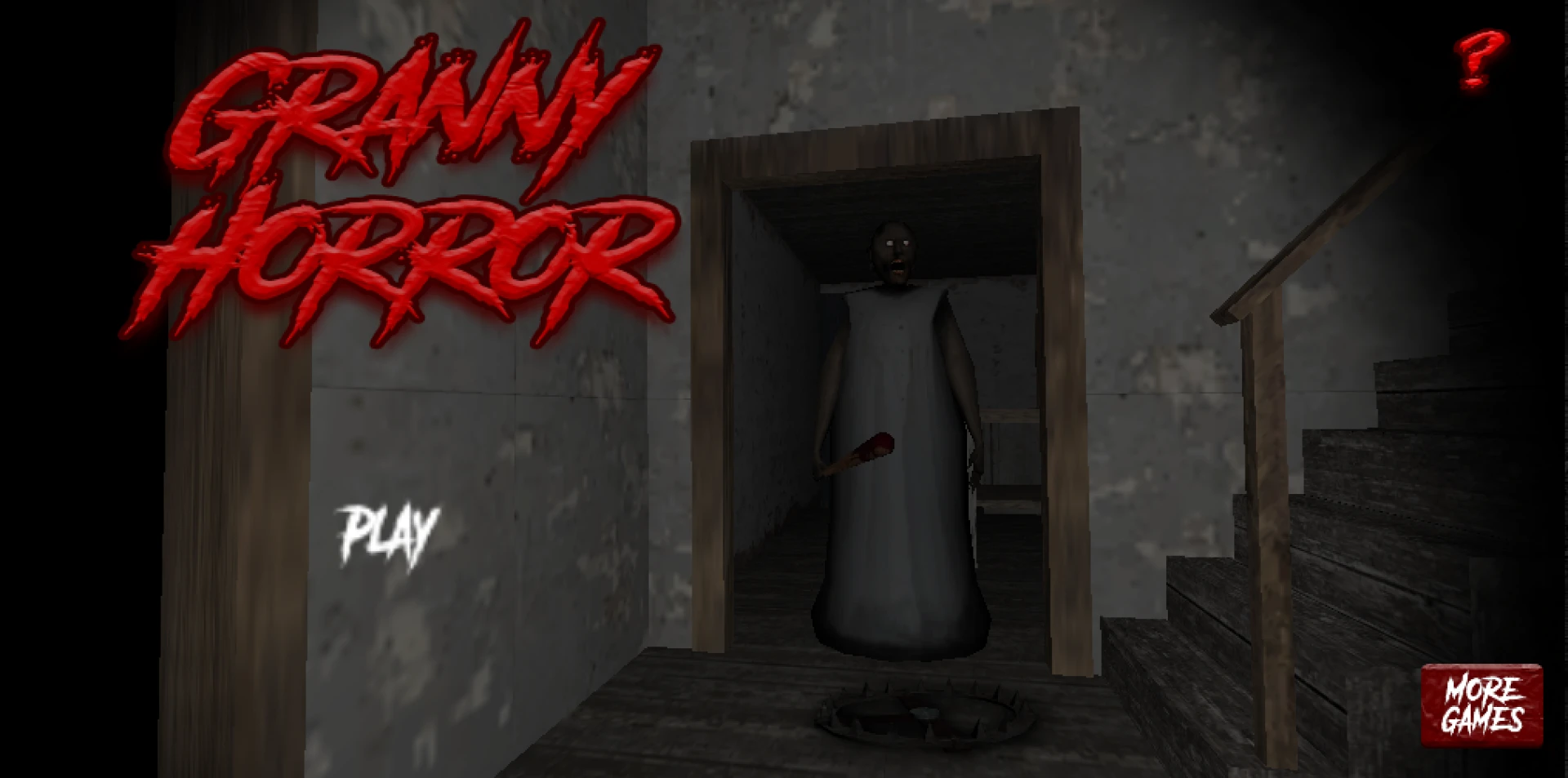
Granny is a first person horror escape game that delivers intense fear through silence, sound, and constant pressure. The game places players inside a dark house where danger moves slowly but never stops. Every step, every dropped object, and every careless decision can bring instant failure. With simple controls and clever design, Granny proves that horror does not need complex graphics to be effective. The experience focuses on tension, observation, and smart planning rather than fast action.
Core Concept And Gameplay Overview
Granny revolves around a clear objective. Escape from a locked house within a limited number of days. The house contains multiple rooms, hidden paths, and dangerous traps. Granny patrols the area and reacts to noise. A fallen object or a creaking floor can attract attention immediately.
Stealth And Sound Mechanics
Sound plays a central role in the experience. Almost every action creates noise. Walking too fast, knocking over furniture, or opening certain doors without care can alert the enemy. This system forces slow movement and careful timing. Players often choose to crawl, stop, and listen before moving again.
Limited Time Pressure
The game allows only a fixed number of days to escape. Each failed attempt costs one day. When all days are gone, the game ends. This structure adds pressure and encourages learning from mistakes. Exploration becomes more efficient with each attempt as memory improves.
House Design And Exploration
The house functions as a puzzle itself. Each room hides clues, tools, or dangers. Some areas remain locked until specific items are found. Others contain secret passages that reward careful observation.
Multiple Floors And Hidden Paths
The house includes several floors, narrow stairways, and small crawl spaces. Hidden holes in walls or floors create shortcuts or escape routes. Discovering these paths often changes the entire strategy for survival.
Interactive Objects And Tools
Items such as keys, pliers, hammers, and batteries appear throughout the house. Each tool serves a specific purpose. Some unlock doors while others disable traps or activate devices. Carrying capacity remains limited, so planning becomes essential.
Enemy Behavior And Artificial Intelligence
Granny behaves in a predictable yet frightening way. Movement patterns follow sound cues and visual detection. The enemy moves slowly but reacts quickly to mistakes.
Patrol Patterns And Reaction Speed
Granny roams the house following loose patrol routes. When sound occurs, direction changes instantly. Hiding under beds or inside wardrobes can prevent capture if timing works well. Learning safe spots becomes a vital survival skill.
Psychological Pressure And Fear Design
The horror comes from anticipation rather than constant chases. Long periods of silence often break suddenly with loud footsteps or a door slam. This rhythm keeps tension high and makes each moment unpredictable.
Puzzle Design And Logical Challenges
Granny includes layered puzzles that require observation and experimentation. Some puzzles involve multiple steps across different rooms.
Environmental Clues And Visual Hints
Notes, symbols, and object placement guide progress. Careful players notice patterns that reveal safe routes or item usage. The game rewards attention to detail rather than speed.
Risk And Reward Decisions
Some items lie in high risk areas. Reaching them may require triggering noise or passing dangerous traps. Choosing whether the reward is worth the danger becomes a constant calculation.
Difficulty Levels And Replay Value
Granny offers several difficulty modes that adjust enemy speed and awareness. Higher levels reduce forgiveness and demand perfect execution.
Learning Through Failure
Failure feels punishing but educational. Each mistake teaches something new about sound range, hiding effectiveness, or enemy timing. Progress comes through patience and repeated attempts.
Randomized Elements
Item placement changes slightly between runs. This randomness prevents memorization and keeps the experience fresh. Players cannot rely on a single fixed route every time.
Visual Style And Atmosphere
The visual presentation remains simple yet effective. Dark colors, narrow hallways, and minimal lighting create a feeling of isolation.
Minimalist Graphics With Purpose
Textures and models avoid unnecessary detail. This simplicity keeps focus on gameplay and atmosphere. Darkness hides threats and increases fear of the unknown.
Sound Design And Music Absence
Background music remains minimal or absent. Instead, footsteps, creaks, and sudden noises drive emotion. Silence becomes a tool for fear rather than comfort.
Why Granny Stands Out Among Horror Games
Granny succeeds because of focus. The game limits mechanics but perfects them. Instead of relying on jump scares alone, it builds tension slowly and consistently.
Accessible Controls And Clear Rules
Controls remain easy to learn. Rules stay consistent. Sound attracts danger. Silence protects. This clarity allows anyone to understand the game quickly while still feeling challenged.
Strong Community And Popularity
The game gained popularity through streaming platforms and mobile gaming communities. Watching others react to fear became part of the appeal. This social presence helped the game reach a wide audience.
Tips For New Players
Patience matters more than speed. Move slowly, listen carefully, and memorize safe areas. Dropping items intentionally can distract the enemy when planned correctly. Always plan an escape route before taking risks.
Conclusion
Granny delivers a powerful horror experience through simplicity, sound, and smart design. The game transforms an ordinary house into a terrifying puzzle filled with danger and suspense. Each attempt feels tense and rewarding, pushing players to improve awareness and strategy. For fans of stealth horror and escape challenges, Granny remains a memorable and intense journey that proves fear can be created with very little, as long as every detail serves the experience.
























Sign in to leave a comment.