
The most ideal in chemical technology is to use the "atom economy" reaction to realize the greening of the reaction, that is, every atom in the raw material molecule is converted into a product, without generating any waste and by-products, and achieving "zero emission" of waste. The chemical products that achieve no pollution and no heavy metal residues are green chemical products.
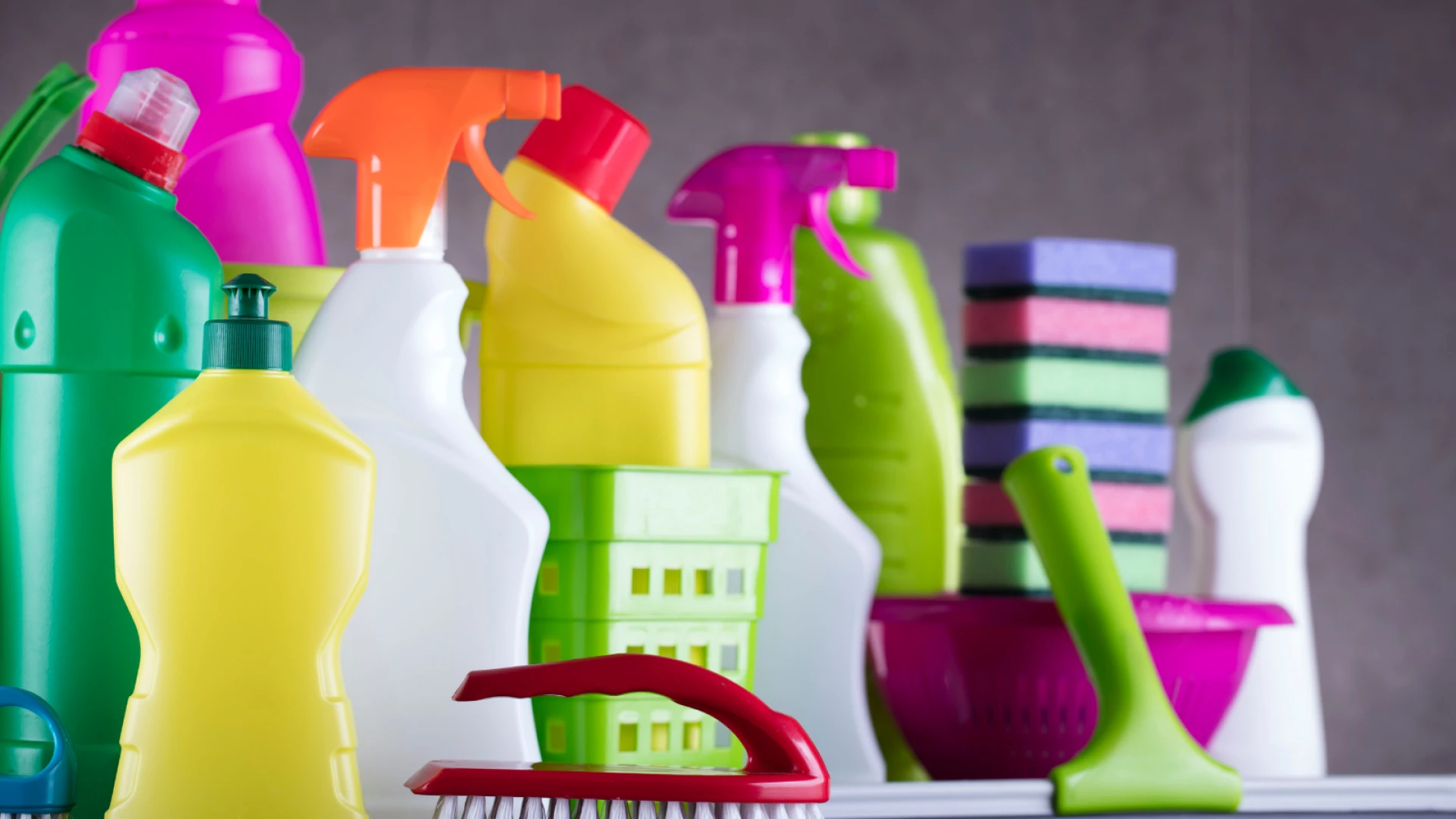
There are many green chemistry products, such as low-mercury or mercury-free green batteries, green pesticides, degradable plastics, green cars, and more.
Green chemical products are: chemical products that are harmless to humans and the environment are called green chemical products. Two characteristics of green chemical products:
The product itself will not cause environmental pollution and health problems, including no damage to wildlife, beneficial insects or plants;2 When the product is used, it should be recyclable or easily degraded into harmless substances in the environment.
The main features of green chemistry are:
Make full use of resources and energy, and use non-toxic and harmless raw materials;React under non-toxic, non-hazardous conditions to reduce waste discharge into the environment;Improve the utilization rate of atoms, and strive to make all the atoms used as raw materials absorbed by the product to achieve "zero emission";Produce environmentally friendly products that benefit the environment, community safety and human health.
Chemical industry application
1) For sludge dewatering, the corresponding model of this product can be selected according to the properties of the sludge, which can effectively dewater the sludge before it enters the filter press. The flow mud cake is thick, the dehydration efficiency is high, and the moisture content of the mud cake is below 80%.
2) It is used for the treatment of domestic sewage and organic waste water. The product has positive charge in the mixed or alkaline medium, so that it can flocculate and precipitate the negatively charged sewage with suspended particles in the sewage, and the clarification is very effective. Such as the production of grain alcohol wastewater, papermaking wastewater, wastewater from urban sewage treatment plants, brewing wastewater, monosodium glutamate wastewater, sugar wastewater, wastewater with high organic content, feed wastewater, textile printing and dyeing wastewater, etc., the use of cationic polyacrylamide is better than the use of anionic, The effect of non-ionic polyacrylamide or inorganic salts is several times or tens of times higher, because such wastewater is generally negatively charged.
3) The flocculant used for the treatment of tap water with river water as the water source has less dosage, good effect and low cost, especially when combined with inorganic flocculants, it has better effect, and it will become the tap water for the treatment of the Yangtze River, the Yellow River and other river basins. High-efficiency flocculant for the plant.
4) Strengthening agent and other auxiliaries for papermaking. Improve the retention rate of fillers, pigments, etc., and the strength of paper.
5) It is used in oil field economic aids, such as clay anti-swelling agent and thickener for oil field acidification.
6) Used as a sizing agent for textiles, with stable sizing performance, less sizing, low fabric breakage rate, and smooth cloth surface.
0





Sign in to leave a comment.