
In an era where the need for sustainable living and responsible environmental stewardship is more pressing than ever, green home systems have emerged as a beacon of hope for a planet in peril. These innovative technologies and eco-conscious practices are not just about making our homes more efficient; they represent a profound shift towards a harmonious coexistence with nature. From harnessing renewable energy to minimizing waste, the journey toward a greener home promises not only economic benefits but also a significant reduction in our collective carbon footprint.
The Promise of Green Home Systems
In an era where the need for sustainable living and responsible environmental stewardship is more pressing than ever, green home systems have emerged as a beacon of hope for a planet in peril. These innovative technologies and eco-conscious practices are not just about making our homes more efficient; they represent a profound shift towards a harmonious coexistence with nature.
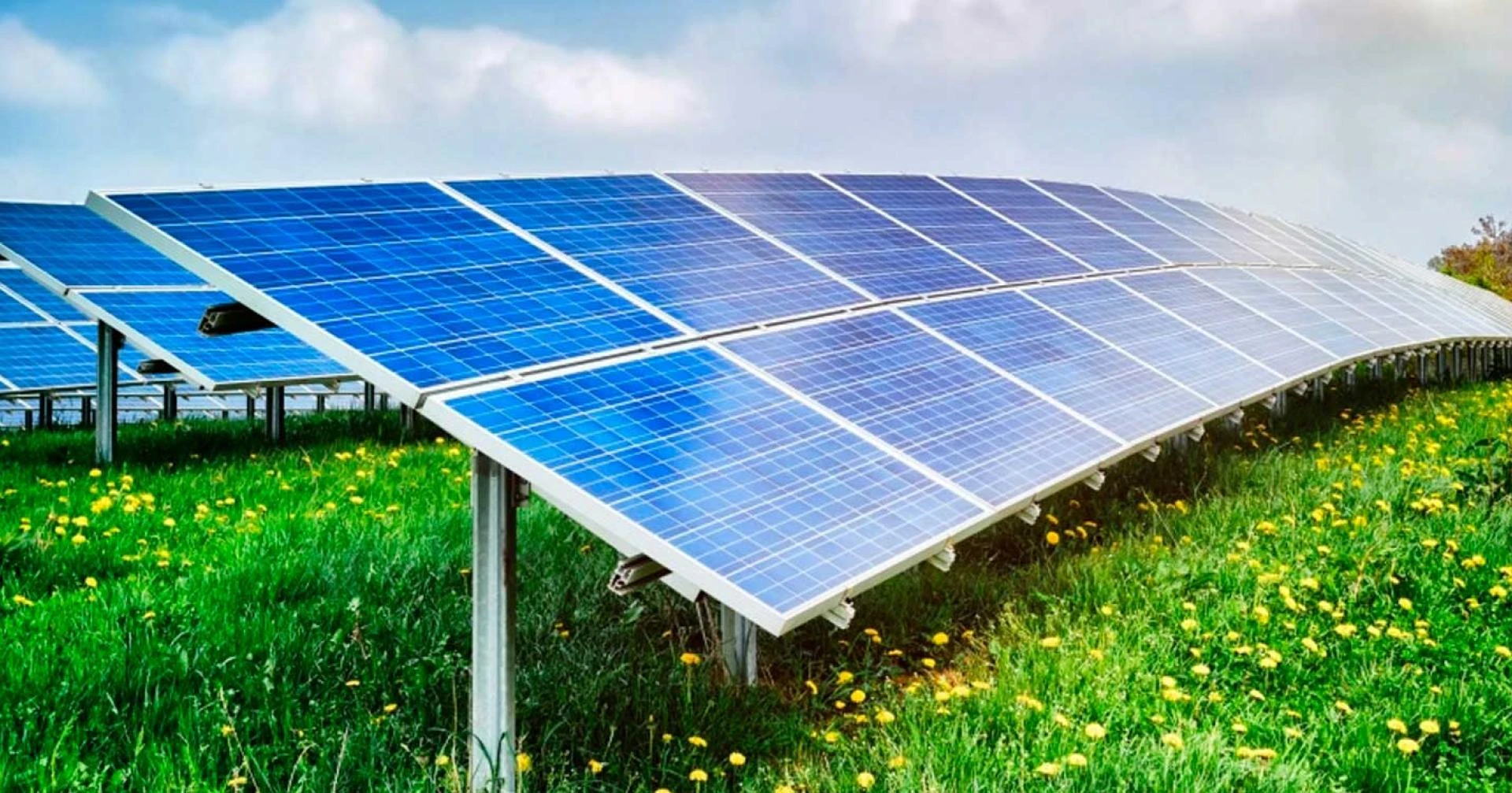
Harnessing Renewable Energy: One of the cornerstones of green home systems is the utilization of renewable energy sources, such as solar panels and wind turbines. These systems allow homeowners to generate their clean electricity, reducing their reliance on fossil fuels and lowering greenhouse gas emissions. It's a significant step towards a future where our homes are not a burden on the environment but rather contributors to sustainable energy production.
Minimizing Waste: Green homes are designed to be resource-efficient from the ground up. It includes using sustainable building materials, implementing recycling systems, and reducing water consumption through technologies like low-flow fixtures and rainwater harvesting. The result is not only a reduction in waste but also a lowered demand for the extraction and production of raw materials.
A Smaller Carbon Footprint: Perhaps one of the most compelling aspects of green home systems is their potential to shrink our collective carbon footprint. By adopting energy-efficient appliances, optimizing heating and cooling, and implementing smart home automation, homeowners can drastically reduce their energy consumption. The cumulative effect of these efforts translates into a substantial decrease in greenhouse gas emissions, contributing to the fight against climate change.
The Evolution of Green Home Systems
As the urgency of addressing climate change grows, green home systems have evolved and expanded to offer a wide array of solutions for eco-conscious homeowners. In this section, we will delve deeper into the evolution of these systems and how they have adapted to meet the challenges of the modern world.
1. Smart Home Integration: Green home systems have embraced the era of connectivity and automation. Today, homeowners can seamlessly integrate their green technologies into smart home ecosystems. It not only enhances convenience but also allows for real-time monitoring and optimization of energy use. From controlling lighting and temperature remotely to scheduling appliance usage during off-peak hours, smart home integration maximizes efficiency.
2. Innovative Energy Storage: While harnessing renewable energy sources like solar and wind is crucial, energy storage solutions have also seen remarkable advancements. Battery technologies, such as lithium-ion and emerging solid-state batteries, enable homeowners to store excess energy generated during sunny or windy periods for use during cloudy or calm days. This energy independence reduces reliance on the grid and provides a continuous, sustainable power supply.
3. Sustainable Transportation: Green home systems are extending beyond the boundaries of the home itself. Electric vehicle (EV) charging stations have become a common addition, allowing homeowners to charge their EVs with clean energy. This synergy between green homes and sustainable transportation further reduces the overall environmental impact of modern living.
4. Health and Well-being: Beyond environmental benefits, green home systems are increasingly recognized for their positive impact on residents' health and well-being. Improved indoor air quality, natural lighting, and ergonomic design elements contribute to a healthier and more comfortable living environment. As a result, green homes promote both physical and mental well-being.
5. Resilience and Adaptation: In an era marked by extreme weather events and environmental uncertainties, green home systems are also evolving to enhance resilience. That includes features like backup power systems, rainwater harvesting for emergency use, and climate-adaptive building designs. These measures ensure that green homes can continue to function and provide comfort even in challenging conditions.
The Future of Green Home Systems
1. Advancements in Energy Efficiency: The relentless pursuit of energy efficiency will continue to drive progress in green home systems. It may include breakthroughs in building materials that provide even better insulation, more efficient appliances and HVAC systems, and the integration of artificial intelligence to optimize energy consumption based on real-time data.
2. Decentralized Energy Production: We can expect a shift towards even more decentralized energy production. Microgrids, where communities generate and distribute their energy locally, will gain prominence. This approach enhances resilience and reduces transmission losses, contributing to both environmental and economic benefits.
3. Integration of Circular Economy Principles: Green homes will increasingly adopt circular economy principles, emphasizing reuse, refurbishment, and recycling of materials. It means that building components and systems will be designed with end-of-life considerations in mind, reducing waste and conserving resources.
4. Enhanced Water Management: Water scarcity is a growing concern in many regions, making efficient water management a priority. Future green home systems will likely incorporate advanced technologies for water purification, efficient distribution, and sustainable landscaping practices.
5. Climate-Responsive Architecture: With climate change effects intensifying, green homes will adapt to climate-responsive architecture. It may involve designs that are better suited to withstand extreme weather events, innovative ventilation systems to combat heat waves, and materials that can sequester carbon.
6. Greater Accessibility and Affordability: As technology matures and becomes more widespread, green home systems are likely to become more accessible and affordable for a broader range of homeowners. Government incentives and industry competition will play a role in making sustainable living an achievable goal for many.
Conclusion:
As we stand at the intersection of environmental awareness, technological innovation, and the imperative for sustainable living, it's essential to peer into the future of green systems. The journey from the promise of green home systems to their evolution and future holds immense potential for a more sustainable, efficient, and harmonious way of living. It's a journey that not only benefits individual homeowners but also contributes to the greater good of our environment and future generations.









Sign in to leave a comment.