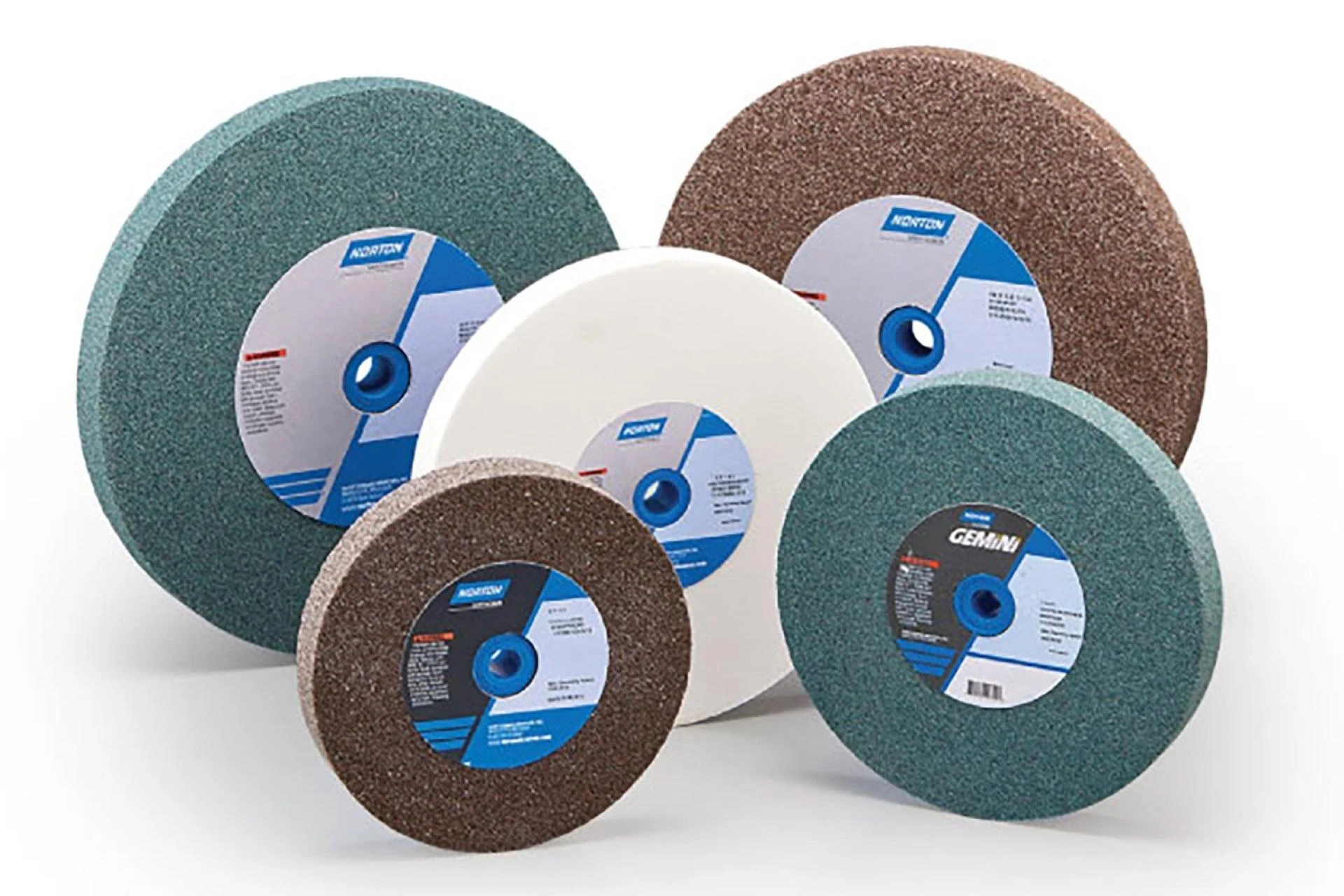

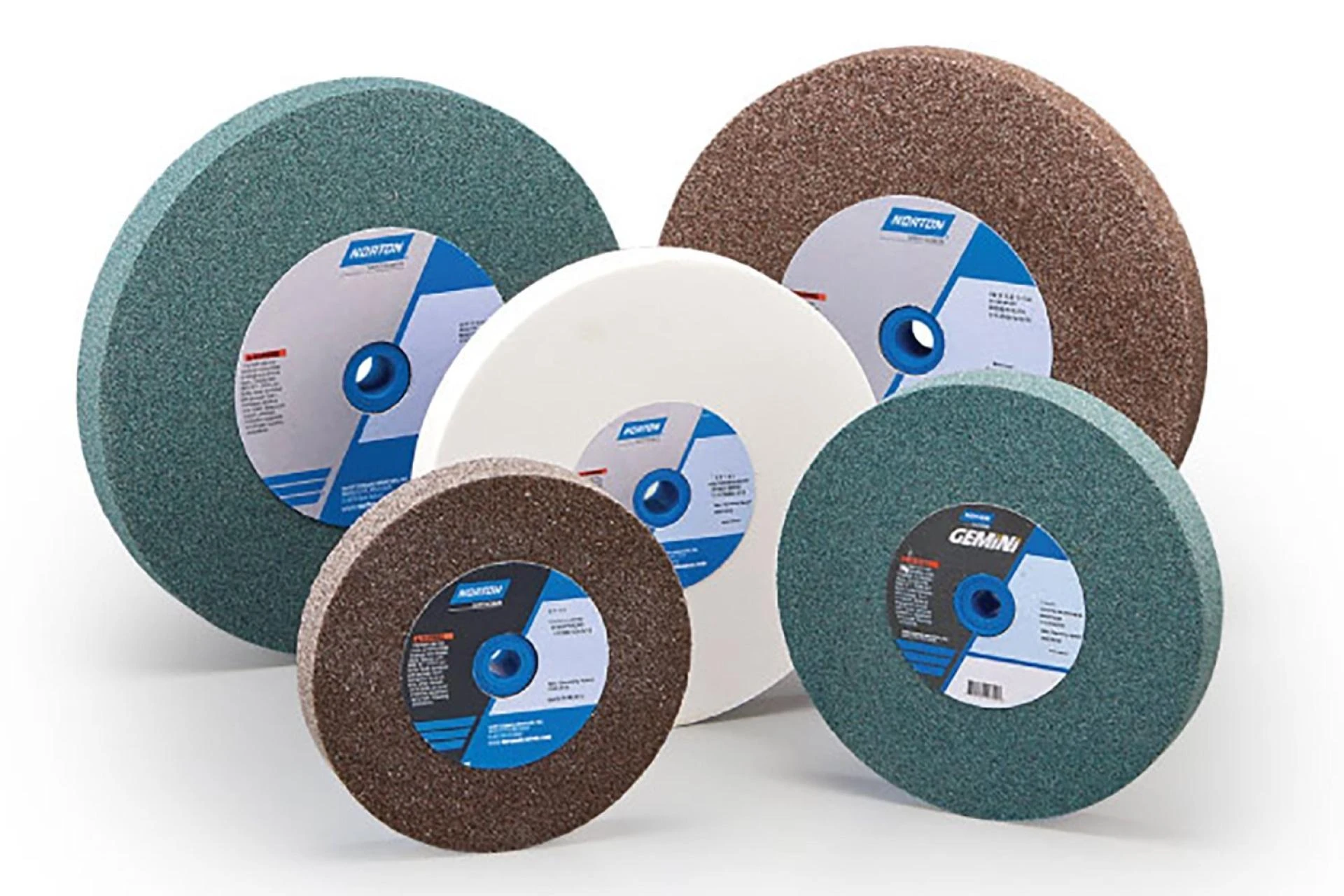
Every workshop has that familiar moment when tools warm up and metal begins to respond. The sound changes, the sparks shift, and you can tell instantly whether the process will go smoothly or slow you down. Much of that experience stems from choosing the right abrasive wheel. A small tool with a significant role. It guides how fast you work, how clean the cut looks, and how long your equipment lasts. Many professionals underestimate how much control a single wheel has over an entire operation. That is where understanding the world of Abrasives helps you work with more intention.
In fast-moving environments, the wrong pick leads to heat marks, uneven edges or extra rework. The right one blends power, precision and durability in a way that feels natural. It is the difference between forcing a cut and letting the tool glide. And that ease matters when deadlines are tight and materials behave differently.
The more you notice these small shifts, the more aware you become of how each wheel belongs to a specific purpose. That brings us to the first part of the process. Before thinking about finishing touches or clean separations, you start with shaping.
And shaping constantly begins with grinding, where raw material turns into something workable.
Grinding Essentials
Grinding is often the stage where the fundamental transformation begins. It is the first point where excess metal is cleared, edges are shaped, and surfaces become manageable.
A good grinding wheel does not just remove material. It keeps heat under control, stays stable under pressure and gives predictable movement. This is where the role of Abrasives becomes clear because the material of the wheel decides how the metal behaves beneath it. Aluminium oxide, zirconia and silicon carbide all act differently on various metals. Choosing without understanding usually leads to friction marks or uneven shaping.
What makes grinding important is the way it sets the tone for everything that follows. A poorly ground surface becomes harder to cut cleanly and even harder to polish smoothly. Professionals often say that grinding is the foundation because it prepares the metal for the finer stages ahead. If the base is right, the following steps feel easier and more controlled.
Once you see how grinding influences the flow of work, it becomes natural to think about accuracy—grinding shapes. Cutting defines. These two processes support each other more than most people realise.
And with the rough shaping done, the next move is precision, which brings us to cutting.
Cutting With Accuracy
Attention sharpens during cutting. Even a small drift in the cut leads to alignment problems later on, particularly in assemblies where every millimeter counts. A good abrasive wheel maintains a straight, consistent, and steady cut. While thicker wheels provide stability for harder portions, thinner wheels allow for finer cutting. The material, the tool, and the desired outcome all influence your decision.
When cutting is done correctly, there is less burr formation and less strain on the tool. This saves time in polishing because the surface left behind is cleaner. Many professionals prefer wheels that run cooler and vibrate less because smoother motion reduces operator fatigue and improves accuracy. This is one more reason why the right Abrasives simplify the workflow instead of complicating it.
Cutting prepares the metal for its final look. The cleaner the separation, the easier it becomes to refine the surface later. Precision here leads to predictable work ahead.
With accurate cuts completed, the surface is ready for its final stage. The part where smoothness takes centre stage and small details begin to matter.
This brings us naturally into polishing, the step that gives the metal its final character.
Polishing and Finishing
Polishing is more than making a surface shine. It improves protection, reduces corrosion, and prepares the metal for coatings or paint. A good polishing wheel removes minor scratches and smooths the material until it feels uniform. The choice of grit also matters. Coarse grits shape the early finish while finer ones create clarity and softness.
This stage demands patience because polishing is where precision meets rhythm. The motion needs to be steady, and the pressure must stay even. When done well, the difference is easy to see. A polished surface reflects consistency and feels complete. It also shows whether grinding and cutting were handled with care. Every step before this reveals its quality here.
Polishing brings the material close to its final purpose, and the right Abrasives play a big part in achieving that consistency. Flap wheels, non-woven wheels or felt wheels all offer different effects depending on what the project needs.
Once the surface reaches a clean finish, the following practical question usually appears. How does someone choose the right wheel for each stage without confusion?
The answer begins with understanding what the job demands.
Choosing the Right Wheel
Selecting the best wheel becomes easier when you slow down and check what the job requires. Start with the material. Stainless steel, mild steel and aluminium respond differently to pressure and heat. The type of abrasive wheel you pick influences how cleanly the wheel cuts or shapes the surface. Next, think about the tool. The wheel and tool must match in speed for safety and performance.
Grit matters as well. Coarse grit removes material quickly, while fine grit focuses on smoothness. Understanding this makes it easier to choose without second-guessing. You also look at wheel hardness. A harder wheel lasts longer but may leave heat marks on softer metals.
These choices do not need guesswork. They follow a simple flow. Understand the material, match the wheel to the tool and select the grit that aligns with the work. As long as each step is clear, picking the right wheel feels straightforward.
Once you learn how to choose, it becomes equally important to avoid common mistakes that slow down the job or increase risk.
This leads naturally to the errors many professionals still make without noticing.
Common Mistakes Professionals Still Make
Even experienced operators slip into habits that affect results. One of the most common mistakes is using a cutting wheel for grinding. It shortens wheel life and risks damaging the material. Another issue comes from applying too much force. Good Abrasives work with steady movement, not pressure. When the force increases, heat rises and the metal reacts unpredictably.
Mismatched RPM is another concern. When the wheel spins faster than intended, it becomes unsafe and unstable. Storage also matters more than people realise. Moisture and dust weaken the wheel structure over time.
Avoiding these mistakes improves both safety and results. When the tool feels balanced and predictable, work becomes smoother and faster. A good workflow protects the material and the user at the same time.
Once these errors are understood, the next step is recognising what makes a wheel worth trusting in the first place.
This brings us to the qualities that define high-performance wheels in real working conditions.
Qualities Of A Reliable Wheel
A reliable abrasive wheel performs consistently under pressure. It holds its shape, manages heat well and delivers a clean cut or smooth finish without unnecessary resistance. Good bonding strength is essential because it keeps the grains in place even during long sessions of work. High-quality reinforcement layers also add stability and reduce vibration.
Durability matters too. A wheel that wears evenly creates better control and predictable movement. When wheels are made with consistent grit distribution, the surface comes out smoother and the tool works with less effort. These qualities help maintain steady performance during grinding, cutting and polishing tasks.
Once you recognise these signs of quality, choosing becomes easier. The wheel itself communicates through how it feels during use. Smooth movement means the structure is sound. Excessive vibration or chipping suggests something is off.
Understanding these qualities helps professionals work with confidence. With that clarity, the last step is gathering everything into one closing thought. And that thought leads us into the final section.
Conclusion
When you look at the three stages together, the value of the right Abrasives becomes clear. Grinding shapes the base. Cutting defines the form. Polishing brings the finish to life. A single abrasive wheel influences all three because it controls how the metal responds. The tool may be small, but its impact shows in every detail of the final piece.
Strong results come from simple choices made with awareness. When you choose the right wheel, work feels smoother, safer and more predictable. It saves time, reduces rework and keeps the material in better condition. These small advantages add up across every project.
If you ever feel unsure about which wheel suits your work, reach out. A quick conversation often gives the clarity needed to move forward with confidence.
Please tell us what you are working on, and we will guide you toward the wheel that fits your process best.





























Sign in to leave a comment.