
Starting a business in today’s digital world often begins with one simple question: how do you make things more convenient for users? In the grocery space, the answer has been clear—bring the store to the customer. That’s exactly why grocery delivery app development has become such a popular choice for startups.
Instead of setting up large physical operations, many new businesses are building on-demand grocery delivery apps that allow users to browse, order, and receive groceries from their phones. It’s practical, scalable, and aligns perfectly with modern consumer behavior.
Understanding the Business Model
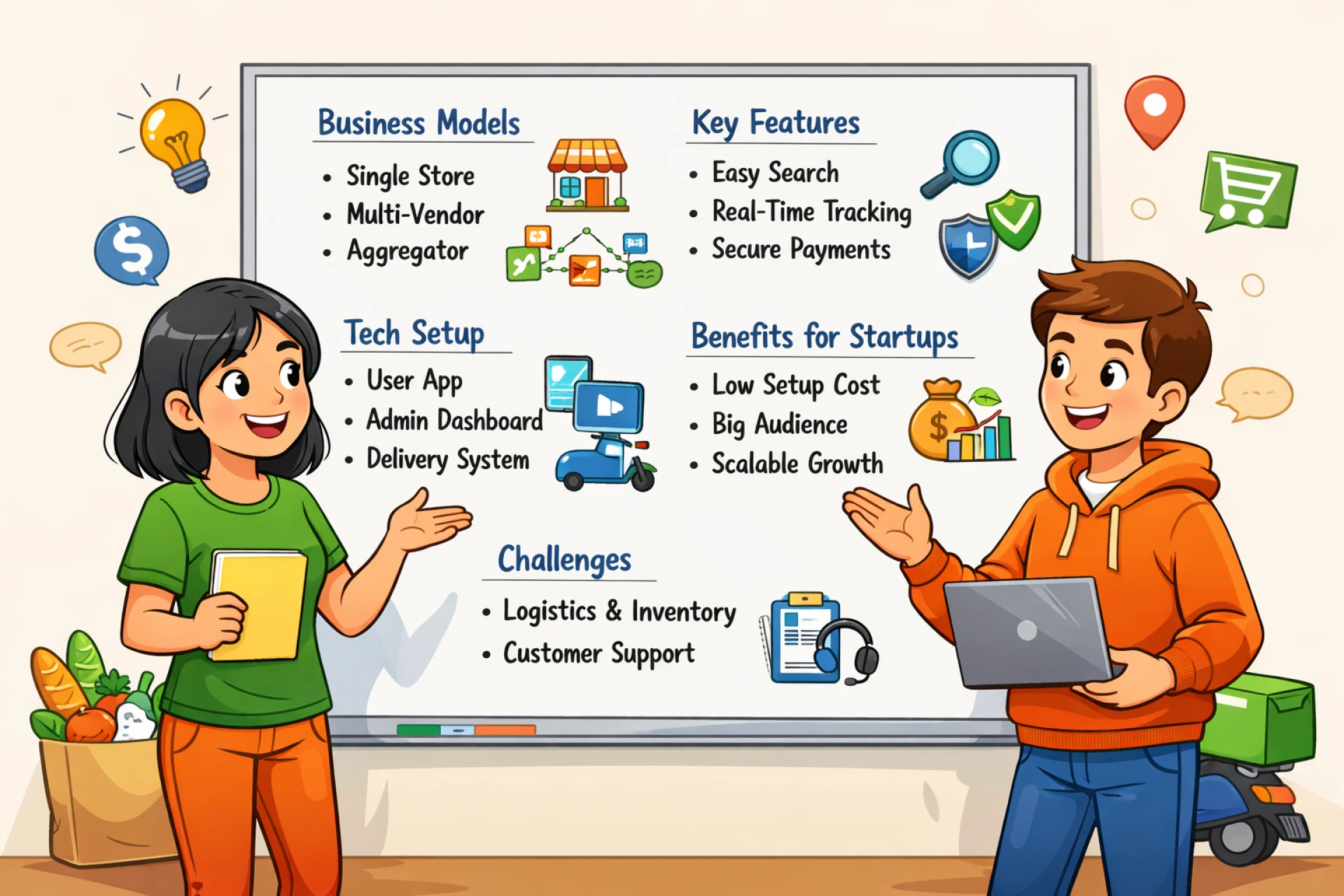
Before jumping into development, it’s important to understand how a grocery delivery platform works. Most apps operate on one of these models:
- Single Store Model – One store manages its own inventory and deliveries
- Multi-Vendor Model – Multiple stores list their products on one platform
- Aggregator Model – The app connects users with nearby grocery stores
For startups, the multi-vendor grocery app model is often more scalable, as it allows multiple sellers to join and expand the product range.
Key Features to Focus On
A successful grocery delivery app development process is not just about building an app—it’s about building the right features.
Some essential features include:
- Easy product search and category browsing
- Real-time order tracking
- Secure payment options
- Notifications and updates
- User-friendly interface
These features help improve the overall user experience and make the app easy to use for daily needs.
Building the Right Technology Foundation
Behind every smooth app is a strong backend. A reliable grocery delivery app solution includes:
- Customer mobile app
- Admin dashboard for managing operations
- Delivery partner app
- Inventory and order management system
Startups should focus on building a platform that can handle increasing users and orders without performance issues. Scalability is key here.
Why Startups Are Choosing Grocery Apps
The demand for online grocery services has grown rapidly. People now prefer ordering essentials from home rather than visiting stores.
For startups, investing in grocery delivery app development offers several advantages:
- Lower initial setup compared to physical expansion
- Ability to reach a wider audience
- Opportunity to build customer engagement
- Flexibility to scale operations over time
It’s a business model that fits well with changing consumer habits.
Challenges to Be Prepared For
Like any business, grocery apps also come with challenges. Managing deliveries, maintaining product availability, and ensuring timely service can be complex.
Startups need to plan for:
- Efficient delivery logistics
- Vendor coordination
- Real-time inventory updates
- Customer support
Addressing these early helps in building a more reliable platform.
Creating a Seamless User Experience
At the end of the day, users care about simplicity. If the app is slow, confusing, or difficult to navigate, they are likely to switch to another platform.
A clean design, smooth navigation, and checkout experience make a big difference. A well-designed grocery delivery mobile app keeps users engaged and encourages repeat usage.
For startups looking to enter the on-demand market, grocery delivery app development offers a strong opportunity. It combines convenience, scalability, and consistent demand.
The key is to start simple, focus on essential features, and build a platform that can grow over time. With the right approach, startups can create a reliable grocery delivery platform that fits into people’s daily lives.
In the end, it’s not just about delivering groceries, it’s about delivering convenience in the most seamless way possible.




























Sign in to leave a comment.