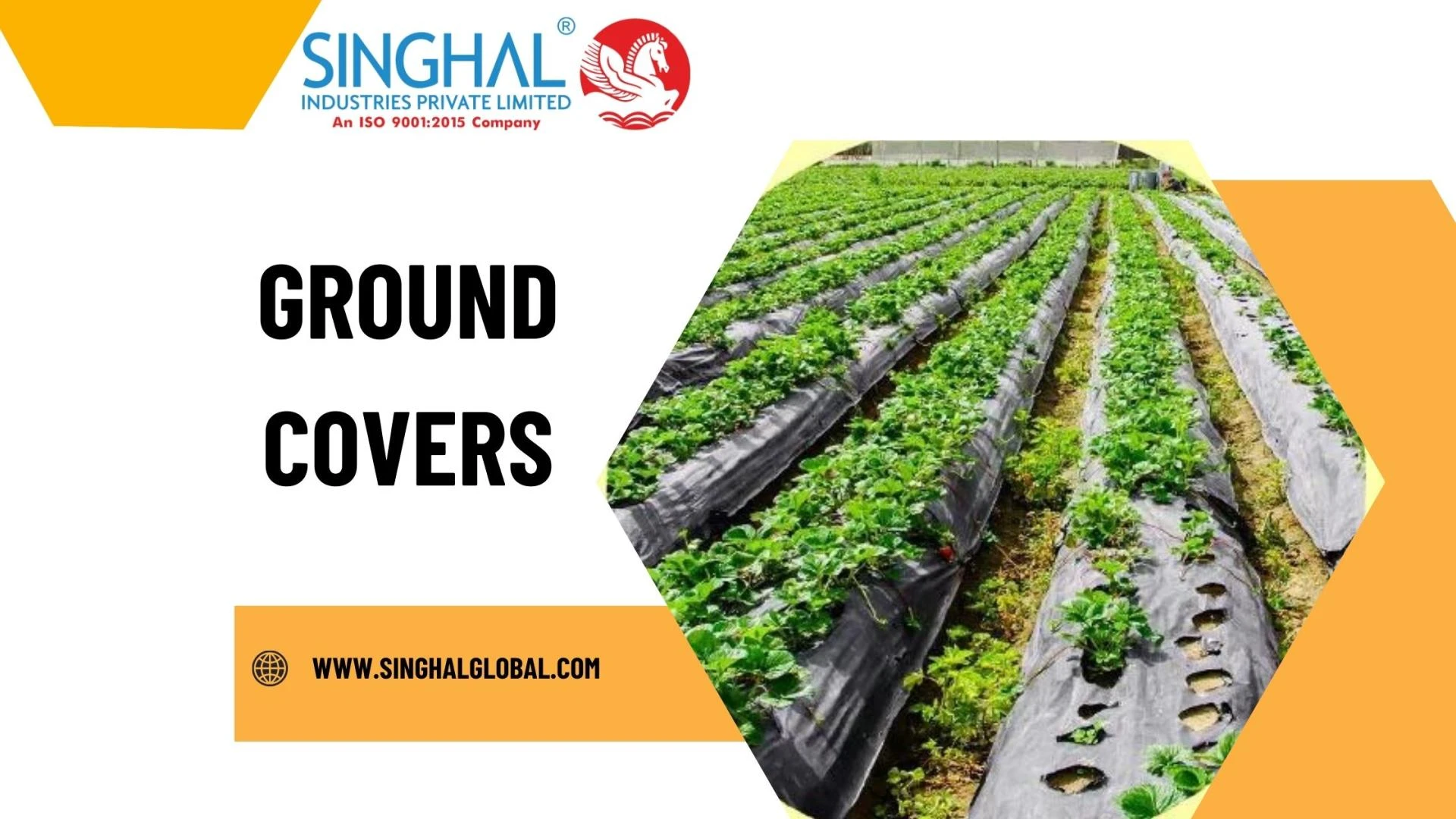

Ground cover plays a vital role in landscaping and soil protection. It refers to any material or plant that covers the ground surface, providing various benefits such as erosion control, weed suppression, moisture retention, and temperature regulation. In this article, we will explore the different types of ground cover, their benefits, how to choose the right one, and the role of Singhal Industries in providing ground cover solutions.
Introduction to Ground Cover
Ground cover serves as a protective layer over soil, preventing erosion and enhancing the aesthetic appeal of landscapes. Whether natural or synthetic, ground cover plays a crucial role in maintaining soil health and promoting sustainable land management practices.
Types of Ground Cover
Ground cover materials can be categorized into natural, synthetic, and plant-based options. Each type offers unique advantages and applications, depending on the specific requirements of the landscape.
Natural Ground Covers
Natural ground covers include materials such as mulch, gravel, and stones. These materials are readily available, cost-effective, and environmentally friendly. They provide excellent erosion control and help retain moisture in the soil.
Synthetic Ground Covers
Synthetic ground covers, such as geotextiles and landscape fabrics, are manufactured materials designed to mimic the properties of natural ground cover. They offer superior weed suppression and erosion control while allowing for proper water drainage.
Plant-Based Ground Covers
Plant-based ground covers involve the use of low-growing plants, such as creeping thyme, ground ivy, and moss, to cover the soil surface. These plants not only prevent erosion but also add visual interest to the landscape with their foliage and flowers.
Benefits of Ground Cover
The use of ground cover offers numerous benefits for landscapes and soil health. Some of the key advantages include:
Soil erosion prevention: Ground cover helps stabilize soil particles, preventing them from being washed away by rain or wind.Weed suppression: By blocking sunlight and preventing weed seeds from germinating, ground cover reduces the need for herbicides and manual weeding.Moisture retention: Ground cover acts as a natural mulch, reducing evaporation and preserving soil moisture.Temperature regulation: Ground cover helps moderate soil temperatures, protecting plants from extreme heat or cold.Choosing the Right Ground Cover
When selecting ground cover for a landscape, several factors should be considered, including soil type, climate, intended use, and aesthetic preferences. It is essential to choose a ground cover that complements the existing vegetation and meets the specific needs of the site.
Installation and Maintenance of Ground Cover
Proper installation and maintenance are crucial for the effectiveness and longevity of ground cover. Before installing ground cover, the soil should be adequately prepared to ensure good drainage and root penetration. Regular maintenance tasks, such as mulching, watering, and periodic weed removal, are essential for preserving the integrity of the ground cover layer.
Ground Cover Fabric Suppliers
Quality ground cover fabric is essential for successful weed suppression and soil protection. When choosing a supplier, it is essential to consider factors such as material quality, durability, and cost-effectiveness. Some of the top Ground Cover Fabric Suppliers in the market include:
Supplier A: Known for their durable and environmentally friendly fabric options.Supplier B: Offers a wide range of ground cover fabrics suitable for various landscaping applications.Supplier C: Specializes in custom-made ground cover solutions tailored to specific customer needs.Popular Garden Ground Covers
Various ground cover plants are commonly used in Garden Ground Covers landscapes due to their low maintenance requirements and aesthetic appeal. Some popular options include:
Creeping Juniper: A hardy evergreen ground cover with trailing branches and needle-like foliage.Vinca Minor: Also known as periwinkle, this low-growing plant produces blue or purple flowers in spring and summer.Liriope: A grass-like perennial with strappy leaves and spikes of purple or white flowers.Ground Covering for Weed Control
One of the primary benefits of ground cover is its ability to suppress weeds naturally. By shading the soil surface and outcompeting weed seedlings for resources, ground cover plants help keep weed growth in check.
Case Studies: Successful Implementation of Ground Cover
Real-world examples demonstrate the effectiveness of ground cover in various landscaping scenarios. Case studies highlighting before and after transformations showcase the positive impact of ground cover on soil health and landscape aesthetics.
Environmental Impact of Ground Cover
Choosing sustainable ground cover options is essential for minimizing environmental impact and promoting biodiversity. Eco-friendly ground cover materials, such as recycled rubber mulch and native plant species, help conserve natural resources and support local ecosystems.
Innovations in Ground Cover Technology
Advancements in ground cover technology continue to drive innovation in the landscaping industry. From biodegradable mulches to high-tech permeable pavers, new products and materials offer enhanced performance and environmental benefits.
Challenges and Limitations of Ground Cover
While ground cover offers many benefits, it also presents certain challenges and limitations. Issues such as soil compaction, poor drainage, and limited plant selection can impact the effectiveness of ground cover solutions. However, proactive management strategies can help mitigate these challenges and maximize the benefits of ground cover.
Ground Cover in Agriculture
In addition to landscaping applications, ground cover plays a crucial role in agriculture. Farmers use ground cover to protect soil from erosion, conserve moisture, and suppress weeds, ultimately improving crop yields and soil health.
Role of Singhal Industries in Ground Cover Solutions
Singhal Industries is a leading provider of ground cover solutions, offering a wide range of products tailored to the needs of landscapers, farmers, and homeowners. With a focus on quality, innovation, and customer satisfaction, Singhal Industries is committed to delivering sustainable ground cover solutions that enhance landscapes and protect soil health.
Conclusion
Ground Covering For Weeds is a versatile and effective tool for enhancing landscapes and protecting soil health. Whether used in gardens, farms, or urban environments, ground cover offers numerous benefits, including erosion control, weed suppression, and moisture retention. By choosing the right ground cover materials and implementing proper installation and maintenance practices, individuals can create beautiful and sustainable landscapes that benefit both people and the environment.
FAQs
How long does ground cover fabric last?
Ground cover fabric typically lasts for several years, depending on factors such as material quality, installation method, and environmental conditions.
Can ground cover plants attract pests or wildlife?
While some ground cover plants may attract pests or wildlife, proper selection and maintenance can help minimize these issues.
Is ground cover suitable for all types of soil? Ground cover can be adapted to various soil types, but it's essential to choose plants or materials that are well-suited to the specific conditions of the site.
Does ground cover require regular maintenance?
Yes, ground cover may require periodic maintenance tasks such as mulching, watering, and weed removal to ensure optimal performance.
How can I prevent ground cover from spreading too aggressively
To control the spread of ground cover plants, consider using barriers or edging materials to contain their growth and regularly prune or thin out dense patches.










Sign in to leave a comment.