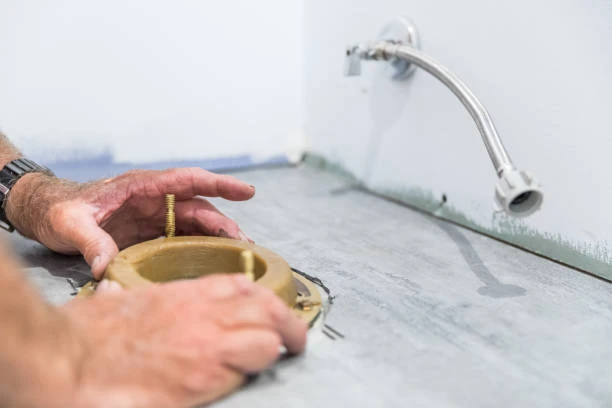

In the realm of home improvement, the often-overlooked yet crucial component known as the toilet flange plays a pivotal role in maintaining a leak-free and properly functioning bathroom. Setting the toilet flange height correctly is essential for ensuring a seamless connection between the toilet and the drain pipe. A poorly installed or misaligned flange can lead to leaks, unpleasant odors, and even structural damage over time. In this comprehensive guide to toilet installation, we will delve into the intricacies of setting your toilet flange height, providing you with the knowledge and skills needed to tackle this task with confidence and precision.
Understanding the Toilet Flange:
Before we dive into the nitty-gritty details of setting the flange height, let's take a moment to understand what a toilet flange is and why it's so vital in the plumbing system. The toilet flange, also known as the closet flange, is a circular piece made of various materials like PVC, ABS, or cast iron. It is installed on the floor, encircling the waste pipe opening, and is designed to create a secure connection between the toilet and the drainage system.
The flange serves multiple purposes, including providing a stable base for the toilet to sit on, ensuring a watertight seal, and aligning the toilet with the waste pipe. Its height is a critical factor in achieving the correct alignment and preventing leaks. Incorrect flange height can lead to problems such as rocking toilets, leaks, and difficulty flushing waste away properly.
Steps to Properly Set Your Toilet Flange Height:
Measure the Finished Floor Height: The first step in setting the toilet flange height is to measure the finished floor height. This is crucial because it determines how high the flange needs to be to ensure a seamless connection. Use a tape measure to accurately determine the distance from the floor surface to the top of the sewer pipe.Choose the Right Flange Type: Toilet flanges come in various types and sizes to accommodate different flooring materials and plumbing setups. There are flanges designed for tile floors, concrete floors, and those specifically suited for cast iron or PVC pipes. Selecting the right flange type is essential for a proper installation.Install a Wax Ring: Before setting the flange, it's important to install a wax ring on the bottom of the toilet. The wax ring creates a watertight seal between the toilet and the flange, preventing leaks. Ensure the wax ring is centered on the flange and is of good quality to guarantee a reliable seal.Adjust the Flange Height: Once you have measured the finished floor height and chosen the appropriate flange type, it's time to adjust the flange height. If the flange is too low, it can lead to leaks; if it's too high, the toilet may not sit flush on the floor. Use flange extenders or spacers to achieve the desired height. Secure the flange tightly to the floor, ensuring it is level and stable.Secure the Toilet: Carefully lower the toilet onto the flange, making sure the bolts on the flange extend through the mounting holes on the toilet base. Gently press down on the toilet to compress the wax ring and create a tight seal. Secure the toilet to the floor using nuts and washers on the flange bolts. Be cautious not to overtighten, as this can crack the toilet.Check for Stability: After securing the toilet, check for stability. The toilet should sit firmly on the floor without any rocking or wobbling. If there is instability, it may indicate an issue with the flange height or the installation process. Revisit the previous steps to ensure everything is correctly aligned.Test for Leaks: Finally, test the installation for leaks. Flush the toilet and inspect the area around the base for any signs of water. Additionally, check for leaks around the sewer pipe connection. If there are leaks, it may indicate a faulty wax ring or a misaligned flange.Common Mistakes to Avoid:
Incorrect Flange Type: Using the wrong type of flange for your flooring material or pipe can lead to installation challenges and potential leaks. Always select a flange that is compatible with your specific plumbing setup.Improper Measurement of Floor Height: Inaccurate measurements of the finished floor height can result in a misaligned flange. Take the time to measure carefully and consider any changes in flooring materials.Low-Quality Wax Ring: The wax ring is a critical component in preventing leaks. Using a low-quality or worn-out wax ring can compromise the integrity of the seal. Invest in a high-quality wax ring to ensure a reliable and long-lasting seal.Overlooking Flange Stability: The stability of the flange is paramount for a secure toilet installation. Failing to secure the flange tightly to the floor or using inadequate flange extenders can lead to instability and potential issues down the line.Conclusion:
Setting your toilet flange height may seem like a small aspect of bathroom installation, but its impact on the overall performance and longevity of your plumbing system is significant. Taking the time to measure accurately, choose the right flange, and follow a meticulous installation process can save you from headaches such as leaks and unstable toilets.
By mastering the art of setting your toilet flange height, you not only ensure a watertight and secure connection but also contribute to the overall functionality and aesthetics of your bathroom. Remember, a well-installed toilet flange is the unsung hero that keeps your bathroom running smoothly, so invest the time and effort to get it right from the start. If you find yourself in need of expert assistance or guidance, consider reaching out to a reputable Katy plumbing company. Their experienced professionals can provide valuable insights and support to ensure your toilet installation is a success. Your bathroom—and your peace of mind—will thank you for it.



























Sign in to leave a comment.