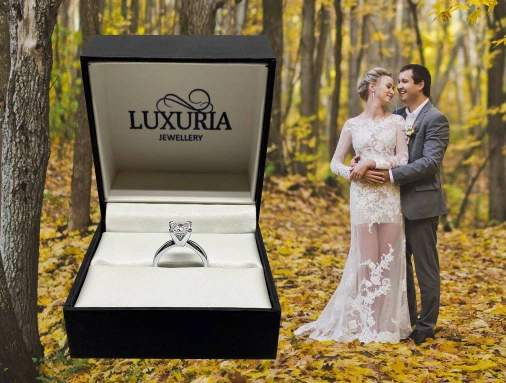
In recent years, fake diamond rings have become increasingly popular. They offer the elegance and sparkle of real diamonds without the hefty price tag. However, buying a high-quality imitation diamond isn’t as simple as picking the first ring that catches your eye. A careful evaluation of the stone, size, material, and setting is essential. This guide to buying fake diamond ring will help you make an informed purchase and ensure you get the best value for your money.
Understanding Fake Diamonds
Fake diamonds, also known as diamond simulants, are created to resemble natural diamonds but are made from different materials. The most common types include cubic zirconia (CZ), moissanite, and synthetic diamonds like lab-grown diamonds. While each material has its advantages, your choice will largely depend on budget, appearance, and durability.
- Cubic Zirconia (CZ): Affordable and visually similar to diamonds but softer and more prone to scratches.
- Moissanite: Offers a brilliance closer to diamonds and is more durable than CZ.
- Lab-Grown Diamonds: Chemically identical to natural diamonds but generally cheaper.
Knowing the differences will help you select the best fake diamond ring for your needs.
Inspecting Stone Quality
When it comes to buying fake diamonds, stone quality is one of the most important factors. The quality of the stone affects its sparkle, durability, and overall appeal. Look for the following:
- Clarity: Ensure the stone is free from visible inclusions or bubbles. High-quality simulants will be clear and flawless.
- Color: The whiter and more transparent the stone, the closer it resembles a natural diamond. Some fake diamonds can have a yellowish or gray tint, so check under natural light.
- Cut: A well-cut stone reflects light beautifully. Poor cuts can make even the best material appear dull.
By paying attention to these details, you can ensure your fake diamond ring looks as stunning as possible.
Choosing the Right Size
Size matters when selecting a fake diamond ring, both in terms of the carat equivalent and the ring size. Unlike real diamonds, fake diamonds allow more flexibility for larger stones without breaking the bank. Consider:
- Stone Size: Decide how large you want the centerpiece to be. Larger stones can be eye-catching but may look unnatural if not well-proportioned.
- Ring Fit: Accurate sizing is crucial for comfort. Many jewelers provide resizing services if necessary, but it’s best to get the correct size from the start.
A properly sized fake diamond ring will look elegant and feel comfortable for everyday wear.
Selecting the Right Material
The material of the fake diamond itself and the ring band can affect both durability and aesthetics. Common materials include:
- Metal Type: Choose from silver, gold-plated, white gold, or platinum-plated metals. These can enhance the appearance of your fake diamond ring and make it more durable.
- Stone Material: As mentioned, cubic zirconia, moissanite, and lab-grown diamonds all offer different advantages. Consider your priorities sparkle, durability, or budget before making a decision.
High-quality materials not only improve the look of your ring but also ensure it lasts for years without tarnishing or losing its shine.
Evaluating the Setting
The setting is the part of the ring that holds the stone in place. A well-crafted setting enhances the beauty of the stone and protects it from damage. Some key points include:
- Prong Setting: Common and allows maximum light to enter the stone, enhancing brilliance.
- Bezel Setting: Offers better protection for the stone but may slightly reduce sparkle.
- Channel Setting: Perfect for multiple stones in a row and adds extra security.
Inspect the craftsmanship closely. A loose or poorly constructed setting can result in lost stones or an unbalanced look.
Budget Considerations
One of the major benefits of fake diamonds is their affordability. Decide on a budget before shopping to avoid overspending. Remember, higher-priced simulants like moissanite will cost more but offer better durability and sparkle compared to cubic zirconia. Balancing your budget with quality is key to making a smart purchase.
Tips for Buying the Best Fake Diamond Ring
To ensure you make the right choice, follow these tips:
- Research the Seller: Buy from reputable jewelers with positive reviews.
- Request Certificates: Some fake diamonds, especially lab-grown ones, come with quality certificates.
- Compare Options: Look at multiple stones and settings to find the best value.
- Examine in Person: Whenever possible, view the ring under natural light to check clarity, color, and brilliance.
- Consider Longevity: Think about how often you will wear the ring and choose materials and settings accordingly.
Following these steps will make your shopping experience smoother and help you select a fake diamond ring that looks stunning for years.
Conclusion
Buying a fake diamond ring doesn’t have to be complicated. By understanding stone quality, size, material, and setting, you can confidently select a ring that matches your style and budget. This guide to buying fake diamond ring serves as a roadmap to making an informed purchase, ensuring you get a piece of jewelry that shines without the high cost of natural diamonds.
Whether you are shopping for yourself or a loved one, a well-chosen fake diamond ring can offer elegance, sparkle, and lasting beauty all at a fraction of the price of a natural diamond. Keep these tips in mind, and you’ll find the perfect ring that combines affordability with glamour.



























Sign in to leave a comment.