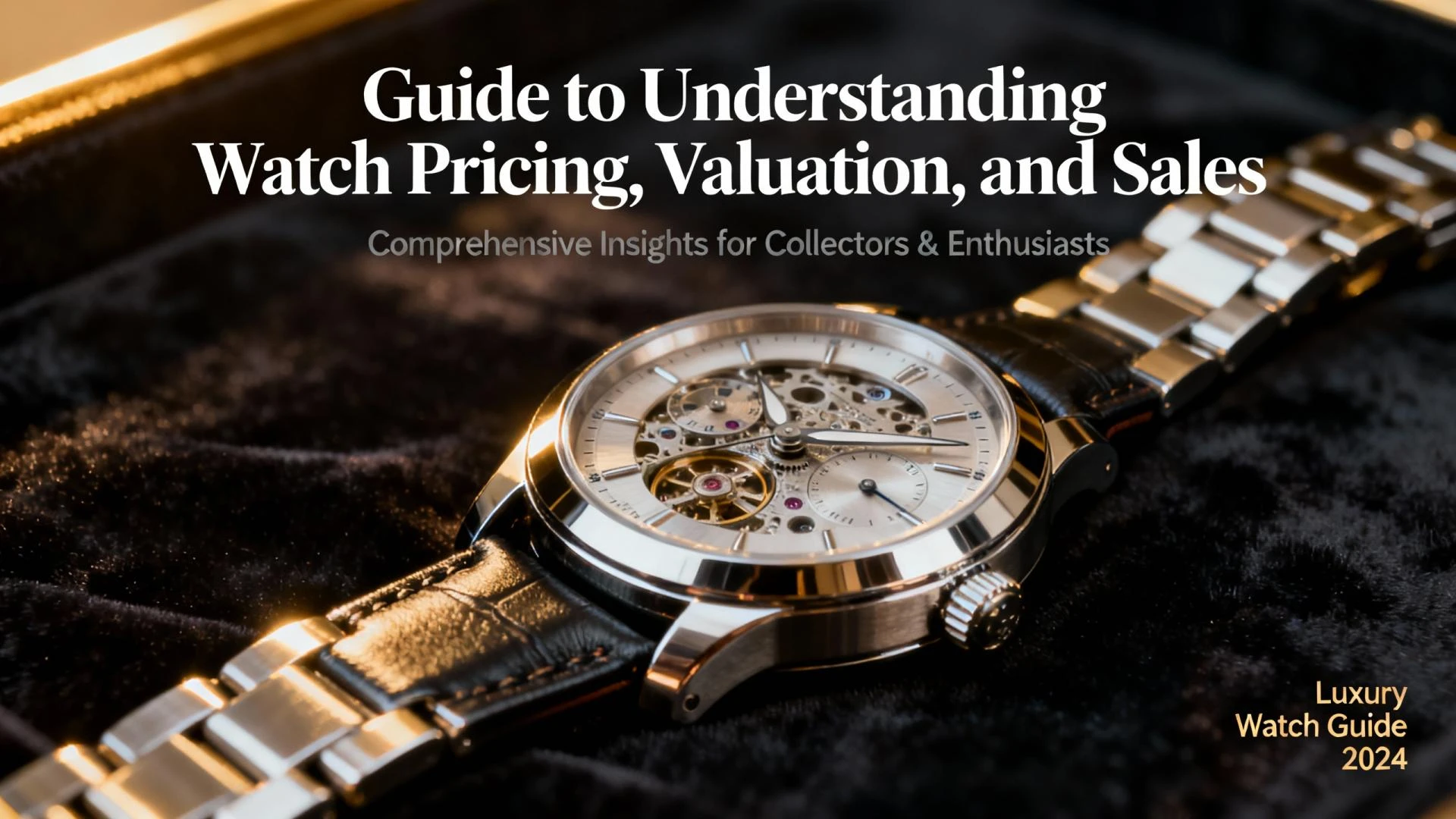

Watches represent more than tools for telling time. People often view them as functional accessories, collectible items, or personal investments. When someone decides to sell a watch, they often face confusion about pricing, valuation, and market demand. This guide explains how watch pricing works, how experts determine value, and how the sales process usually unfolds. The goal involves helping readers make informed decisions based on knowledge rather than assumptions.
Understanding the Difference Between Price and Value
Price and value do not mean the same thing in the watch market. Value reflects what a watch is worth based on objective and subjective factors. Price reflects what a buyer agrees to pay at a specific moment.
Several elements influence value, including brand reputation, model rarity, materials, movement type, and condition. Market demand then influences the final price. A highly valuable watch may sell for less if demand drops. A less valuable watch may sell for more if collectors show strong interest.
Understanding this difference helps sellers form realistic expectations and avoid disappointment.
Key Factors That Influence Watch Valuation
Experts consider multiple factors when they evaluate a watch. Each factor plays a role in determining overall value.
Brand and Model Reputation
Brand reputation strongly affects valuation. Established brands with long histories often retain value better than newer brands. Certain models within a brand also command higher interest due to design, heritage, or cultural significance.
For example, collectors often track specific reference numbers rather than brand names alone. Limited editions and discontinued models often attract higher valuations.
Condition and Wear
Condition directly impacts value. A watch with minimal scratches, original parts, and proper function holds more value than one with visible damage or replacement components.
Polishing can reduce value if it alters original case lines. Heavy wear, moisture damage, or mechanical issues can lower valuation significantly.
Movement Type and Quality
The movement acts as the heart of the watch. Mechanical movements, especially in-house calibers, often carry higher value than quartz movements. Collectors appreciate craftsmanship, finishing, and complexity.
Service history also matters. A well-maintained movement signals reliability and care.
Original Parts and Accessories
Original boxes, papers, and accessories add credibility and value. These items help verify authenticity and ownership history. Collectors often prefer complete sets, especially for vintage or luxury watches.
Missing documentation does not eliminate value, but it can limit buyer confidence and affect pricing.
Rarity and Production Numbers
Limited production increases desirability. Watches with short production runs or unique design features often attract collectors. Rarity alone does not guarantee value, but it strengthens demand when combined with brand recognition.
How Market Trends Affect Watch Prices
The watch market changes constantly. Economic conditions, fashion trends, and cultural interest influence pricing.
Social media exposure often drives sudden demand for certain models. Celebrity endorsements or appearances can also increase interest. At the same time, oversupply can reduce prices even for respected brands.
Sellers benefit from understanding timing. Market awareness helps sellers choose better moments to list or negotiate.
Understanding Depreciation and Appreciation
Not all watches increase in value. Many watches depreciate after purchase, especially mass-produced models. Appreciation usually occurs when demand outpaces supply over time.
Vintage watches often appreciate due to aging, scarcity, and historical appeal. Modern watches may appreciate if brands discontinue popular models or limit production.
Sellers should research historical pricing trends rather than assume appreciation.
Common Methods Used to Price Watches
People use several approaches to determine pricing.
Comparable Sales Analysis
Comparable sales offer one of the most reliable methods. This approach involves reviewing recent sales of the same model in similar condition. Online marketplaces, auction results, and collector forums provide useful data.
This method reflects real market behavior rather than theoretical value.
Professional Appraisals
Certified appraisers provide formal valuations based on expertise and inspection. Appraisals help with insurance, estate planning, and high-value sales.
However, appraisal values may differ from actual selling prices due to market fluctuations.
Dealer Offers and Trade Values
Dealers often offer lower prices to account for resale margins and business costs. These offers provide convenience but not maximum return.
Understanding this structure helps sellers evaluate trade-offs objectively.
The Process of Selling a Watch
Selling a watch involves preparation, research, and execution.
Sellers should start by identifying the exact model and reference number. Accurate descriptions build trust and prevent disputes. Clear photos that show condition also support valuation.
Many people choose to sell old watch online because digital platforms offer access to broader markets and transparent pricing data. Online sales require attention to listing accuracy, secure payment methods, and buyer verification.
Regardless of platform, patience often leads to better outcomes than rushed decisions.
Common Mistakes Sellers Make
Many sellers encounter issues due to avoidable mistakes.
Some sellers overestimate value based on retail price rather than market price. Others ignore condition issues or fail to disclose repairs. Incomplete research often leads to unrealistic expectations.
Another common mistake involves neglecting service costs. Watches that require servicing may sell for less, even if the service seems minor.
Education reduces these risks and supports smoother transactions.
Ethical and Legal Considerations
Ethical selling requires honesty and transparency. Accurate descriptions protect both sellers and buyers. Misrepresentation damages trust and can lead to disputes.
Legal considerations may include import duties, platform policies, and payment regulations. Sellers should understand applicable rules before completing transactions.
Final Thoughts on Watch Pricing and Sales
Watch pricing reflects a complex interaction of craftsmanship, history, condition, and market behavior. Valuation requires research, objectivity, and awareness of trends. Sales require preparation, transparency, and realistic expectations.
By understanding how experts evaluate watches and how markets operate, sellers gain confidence and clarity. Knowledge empowers individuals to make informed decisions rather than emotional ones.
This guide aims to provide a foundation for understanding watch pricing, valuation, and sales without promoting any specific platform or service. Readers who continue learning and observing the market will develop stronger insight over time.




























Sign in to leave a comment.