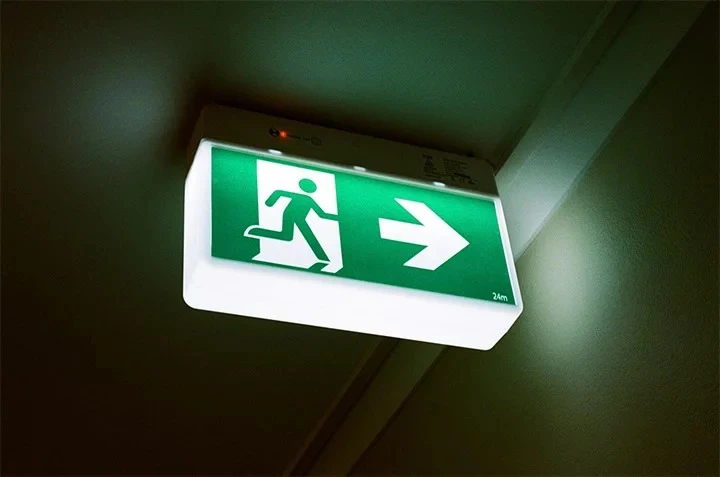

In the age of high design and fast-paced environments, the phrase “first impression matters” holds more truth than ever—especially when it comes to navigating public and professional spaces. From hospitals and hotels to corporate offices, schools, and shopping centers, custom directional signage plays a crucial role in guiding visitors while reinforcing the brand experience. But today’s directional signage goes far beyond mere arrows and exit labels. It’s about guiding with style—merging function, aesthetics, and branding into one seamless solution.
This guest post explores why custom directional signage is more important than ever in modern spaces, and how smart businesses are using it to improve navigation, enhance user experience, and elevate their brand image.
What Is Directional Signage?
Directional signage, also known as wayfinding signage, is designed to help people navigate and find their way through a space. These signs can indicate locations (like restrooms, exits, or meeting rooms), provide instructions, or show routes and floor plans.
While standard signs get the job done, custom directional signage takes it a step further by incorporating your brand identity, design sensibility, and audience needs, resulting in a more cohesive and intuitive experience for everyone who steps into your space.
Why Directional Signage Matters More Than Ever
1. Enhances User Experience
One of the primary functions of directional signage is to remove confusion. When a person walks into a building—especially one they’ve never visited before—the last thing they want is to feel lost or overwhelmed.
Custom signage ensures your visitors, employees, or customers know where to go and how to get there, quickly and effortlessly. A well-marked environment reduces stress and builds trust in your organization.
2. Strengthens Brand Identity
Modern consumers expect a consistent brand experience, not just online but in physical spaces too. Custom directional signage allows you to integrate brand colors, fonts, logos, and tone into your environment. Whether it’s a sleek corporate office or a creative retail store, your signage should reflect your personality.
When directional signage is designed with brand style in mind, it no longer feels like a sterile necessity—it becomes part of the storytelling.
3. Supports Accessibility and Inclusion
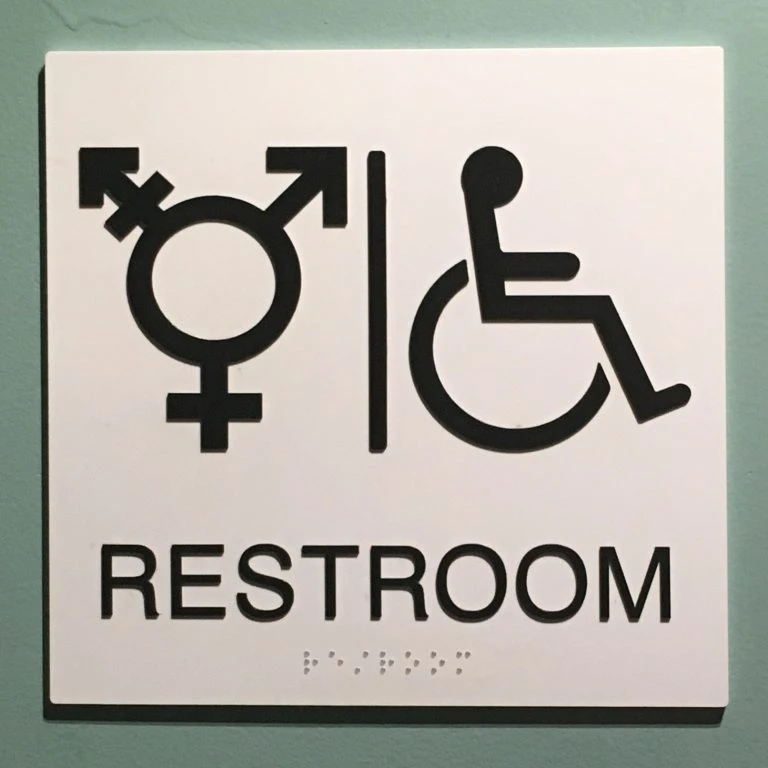
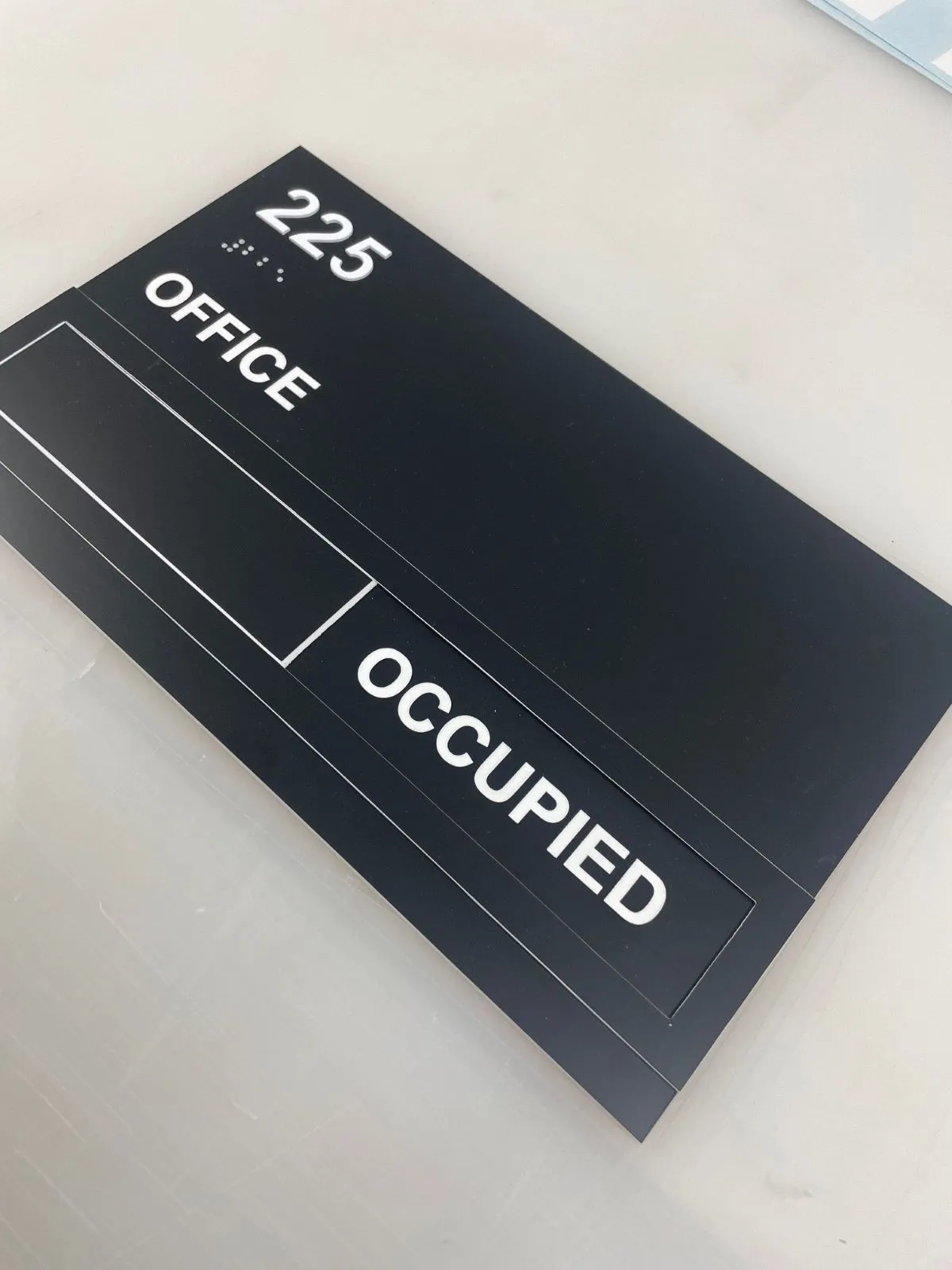
Accessibility isn’t just about checking boxes—it’s about making everyone feel welcome. Custom directional signage can be tailored with ADA (Americans with Disabilities Act) compliance features like braille, high-contrast text, and non-glare finishes, ensuring people of all abilities can navigate the space confidently.
This inclusivity sends a powerful message about your values and care for your community.
4. Optimizes Traffic Flow
In high-traffic areas such as airports, hospitals, shopping malls, and stadiums, efficient traffic flow is vital. Directional signs help prevent bottlenecks, reduce congestion, and ensure people are guided in the safest and most logical direction.
Custom signage can be tailored to the specific layout of your building, improving navigation and reducing the workload on staff who are often asked for directions.
5. Makes a Professional First Impression
Have you ever walked into a building and seen faded, inconsistent, or handwritten signs taped to walls? It instantly creates a sense of disorganization.
Well-designed custom directional signage communicates professionalism, competence, and attention to detail—right from the front door.
Types of Custom Directional Signage
There are several styles and formats of directional signage, including:
- Wall-mounted signs – ideal for room names, arrows, and directional guidance.
- Freestanding signs – great for lobbies, hallways, or open areas.
- Floor decals – subtle, effective, and helpful in high-traffic or temporary environments.
- Digital signage – versatile and dynamic for modern, tech-forward spaces.
- Suspended or hanging signs – ideal for large spaces like airports or warehouses.
Each type can be customized in terms of materials, colors, finishes, fonts, and even lighting to align with your space and branding.
Best Practices for Custom Directional Signage Design
To get the most out of your custom signage, consider the following best practices:
- Keep it clear and concise: Prioritize legibility with simple messaging and readable fonts.
- Use consistent symbols and colors: Repetition builds recognition and trust.
- Position signage at eye level: Make sure it’s easy to see and doesn’t require effort to find.
- Match brand guidelines: Use your logo, brand colors, and style for visual unity.
- Use durable materials: Especially in high-traffic or outdoor areas, long-lasting materials are key.
- Consult professionals: Work with experienced signage designers to ensure aesthetic and functional excellence.
Custom Signage in Action: Real-World Examples
- Corporate Offices: A tech company can use sleek, frosted acrylic signs with engraved icons and brand colors to direct visitors through multiple departments.
- Hospitals: Custom directional signs help patients navigate from one wing to another with color-coded pathways, ADA compliance, and universal symbols.
- Hotels & Resorts: Stylish signs lead guests from the lobby to amenities like the pool, gym, or spa—enhancing the luxury feel while guiding them smoothly.
- Educational Campuses: Universities can benefit from a cohesive directional system across buildings to help new students and visitors navigate large campuses with ease.
Final Thoughts
In a time when branding is everything and user experience drives customer loyalty, custom directional signage is no longer optional—it’s essential. It bridges the gap between form and function, helping people find their way while reinforcing your company’s values, style, and identity.
So whether you’re redesigning your office lobby, opening a new retail store, or upgrading a hospital wing, don’t overlook the role of signage. When done right, directional signs don’t just guide people—they leave a lasting impression.
Let your signage speak volumes—guide with purpose, and always guide with style.























Sign in to leave a comment.