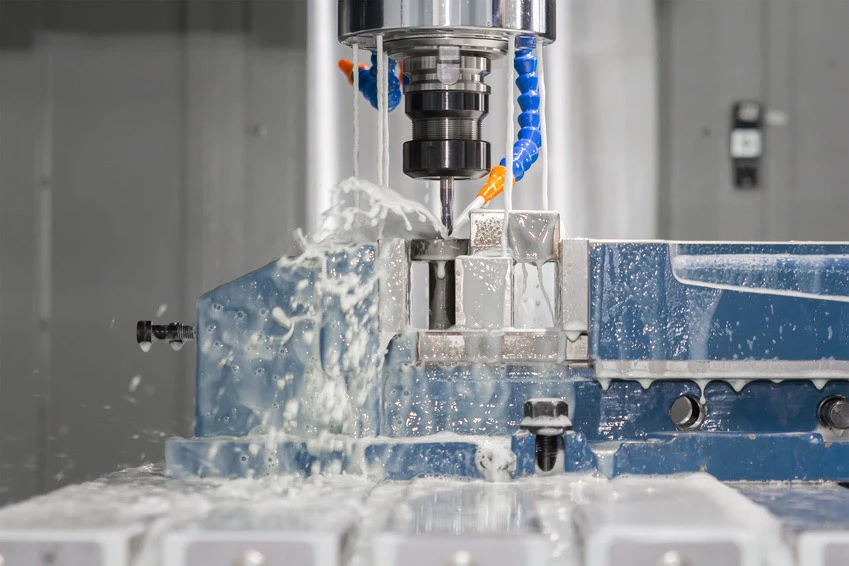

Precision machining is a vital process in modern manufacturing that involves creating intricate and accurate parts using various machining techniques. From aerospace and medical industries to electronics and automotive sectors, precision machining plays a critical role in producing components that meet strict tolerances and quality standards. To achieve the desired level of accuracy and ensure top-notch quality, adhering to specific guidelines is paramount. This article explores essential guidelines for precision machining that contribute to impeccable results and customer satisfaction.
1. Material Selection: Laying the Foundation
The choice of material for precision machining has a direct impact on the final product's quality and performance. It's crucial to select a material that can be machined with precision while maintaining its structural integrity. Factors such as material hardness, thermal conductivity, and machinability should be considered. Common materials include various grades of metals, plastics, ceramics, and composites.
2. Design for Manufacturability (DFM): Planning Ahead
Before initiating the machining process, careful consideration of the part's design is essential. Implementing Design for Manufacturability (DFM) principles ensures that the design is optimized for precision machining processes. This involves features like minimizing tight tolerances, avoiding sharp corners, and selecting appropriate tool paths to enhance efficiency and accuracy.
3. Tolerances and Measurement: Setting the Standards
Precision machining involves working with extremely tight tolerances, often in the micrometer range. Clear communication of these tolerances between engineers, designers, and machinists is vital. The use of advanced measuring instruments, such as coordinate measuring machines (CMMs), laser scanners, and optical comparators, is crucial to verify that parts meet the specified tolerances.
4. Cutting Tools and Techniques: Precision in Action
The choice of cutting tools and machining techniques significantly impacts the precision of the final product. High-quality cutting tools, such as carbide end mills and diamond-coated tools, enhance accuracy and tool life. Employing techniques like high-speed machining (HSM), electrical discharge machining (EDM), and multi-axis milling allows for complex geometries and fine surface finishes.
5. Machine Calibration and Maintenance: Ensuring Consistency
Regular calibration and maintenance of machining equipment are imperative for achieving consistent results. Machines should be properly calibrated to ensure that their movements correspond accurately to programmed tool paths. Routine maintenance, including lubrication, cleaning, and replacing worn components, helps prevent errors and extends the lifespan of the equipment.
6. Coolant and Lubrication: Managing Heat and Friction
Coolant and lubrication play a crucial role in precision machining by managing heat and reducing friction. Proper coolant selection and application prevent overheating, reduce tool wear, and improve surface finish. However, excessive coolant can cause issues such as thermal expansion, affecting dimensional accuracy. Finding the right balance is essential.
7. Operator Skill and Training: The Human Element
Even with advanced machinery and software, the skills and expertise of the machinist are paramount. Operators should undergo thorough training to understand the intricacies of precision machining techniques, programming, and tool selection. Experienced machinists can identify and rectify potential issues during the machining process, ensuring consistent quality.
8. Quality Control and Inspection: A Rigorous Process
Implementing a robust quality control and inspection process is the final step to guarantee precision and quality. This includes not only inspecting the final product but also monitoring the machining process in real-time. Statistical process control (SPC) methods can help identify trends and deviations, enabling corrective actions before they escalate.
Conclusion
Precision machining is a cornerstone of modern manufacturing, enabling the creation of intricate and accurate components across various industries. Adhering to the outlined guidelines, from material selection and design considerations to machine calibration and operator training, ensures that the end result meets strict tolerances and quality standards. By consistently applying these guidelines, manufacturers can deliver products that exceed customer expectations and contribute to advancements in technology and innovation.
































Sign in to leave a comment.