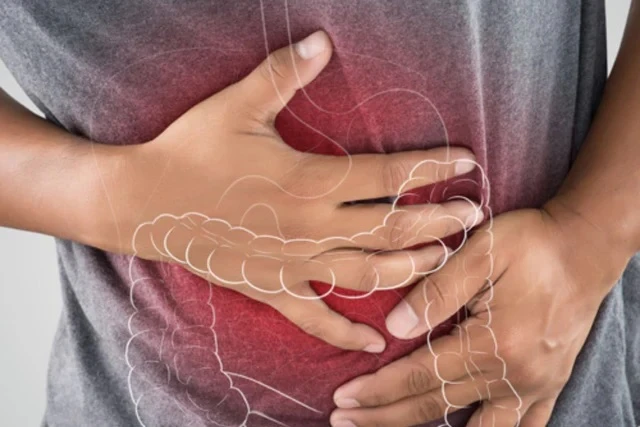

Irritable Bowel Syndrome is a chronic condition that affects the digestive system and usually presents as abdominal pain along with constipation, diarrhoea or both. IBS is a difficult condition to manage, as it is usually not caused by one distinct factor, and even with the appropriate lifestyle corrections, symptoms may persist. Lifestyle changes are important in managing the condition, however there are some supplements and herbal remedies that may help support IBS symptoms – continue reading to learn more!
Supplements to relieve IBS symptoms
IBS can have many different triggers that vary from person to person, from food sensitivities to mental health problems, and symptoms can range from abdominal pain and gas to constipation or diarrhoea. This can make IBS challenging to manage as there is no universal treatment that is suitable and effective for everyone. Sometimes lifestyle and dietary changes alone aren’t enough, which is when IBS relief supplements can help.
Magnesium is a mineral that is important for nerve and muscle function and can aid digestion by supporting gut motility. Magnesium Citrate and Magnesium Oxide are good options for IBS as they work as osmotic laxatives and can help relieve constipation.
HealthAid® Magnesium Citrate Powder comes in a convenient powder form and is free from additives, it is easy to add to food or drinks to provide consistent support in your routine.
Soluble fibres such as HealthAid® Psyllium Husk Fibre can be used to relieve both constipation and diarrhoea without any adverse effects, making it suitable for everyone. Psyllium husk works by providing bulk to stool which promotes regularity, and it also absorbs excess water in the digestive tract, which can prevent and relieve diarrhoea.
HealthAid® Digeston Plus Tablets provide a blend of digestive enzymes that can help break down foods. Digestion is necessary for our bodies to access and absorb nutrients, if digestive enzymes are low, it can impair the body's ability to properly break down foods. This can also lead to other digestive problems such as constipation, diarrhoea and acid reflux as undigested food travels through the digestive tract.
Probiotics are bacteria that can help maintain a healthy gut microbiome. A healthy gut can help break down foods and can help prevent uncomfortable digestive symptoms. Studies have shown that supplementing different probiotic strains can help alleviate flatulence, abdominal pain, and slowing down transit time, reducing the amount of bowel movements per day, improving stool consistency and improve quality of life in patients. HealthAid® Daily Probio Vegicaps is a probiotic supplement that is suitable for anyone who is looking to support gut health every day.
Some herbal remedies such as Aloe Vera and Peppermint are also effective in relieving digestive symptoms. HealthAid® Colonease® Plus Capsules contain a blend of herbal ingredients as well as probiotics and fructo-oligosaccharides to support digestion. Aloe Vera also has soothing properties and can be especially helpful for individuals with abdominal pain due to IBS as it provides pain relief.
Studies have also shown that individuals with IBS are at higher risk of developing nutrient deficiencies due to restrictive diets, especially in nutrients such as Vitamins B and D, calcium, Iron and Zinc. It is therefore important for IBS patients to take a Multivitamin and Mineral supplement such as HealthAid® A to Z Multivit Tablets to prevent deficiencies.
Diet and Lifestyle Factors to Manage IBS
IBS can be caused by factors such as food allergies and intolerances, poor diet, mental health conditions like anxiety and more, and managing stress, regular exercise, and avoiding smoking and alcohol may help by supporting gut health and preventing triggers. Dietary restrictions can also help, as some people may be sensitive to certain foods such as gluten, dairy, fibrous vegetables etc., however trigger foods will differ between patients as specific food sensitivities will vary from person to person. Some conditions such as stress and anxiety can also trigger IBS symptoms via the gut-brain axis, so it is important to manage mental health to avoid triggers.
Summary
Although IBS can be tricky to manage, there are certain lifestyle changes, such as stress management and dietary restrictions that can help manage symptoms.
Adequate nutrition is crucial in maintaining normal digestive health, and Multivitamins and Mineral supplement like Magnesium Citrate can help maintain normal digestive function. Some supplements such as fibre supplements and herbal supplements can also be used to offer additional support by preventing and relieving symptoms. IBS presents itself differently from person to person, and the best approach to manage the condition will be independent to each patient based on symptoms and triggers.
If you are looking for supplements for IBS, you can save 10% on HealthAid® Gut Combo Pack, which includes ColiProbio™, Psyllium Husk and Colonease® Max to support gut health.
Any information or product suggested on this website is not intended to diagnose, treat, cure or prevent any medical condition. Never disregard medical advice or delay in seeking it because of something you have read on this website. Consult your primary healthcare physician before using any supplements or making any changes to your regime.
Full article: The epidemiology of irritable bowel syndrome
Full article: The role of inflammation in irritable bowel syndrome (IBS) Nutrition, Physical Activity and Supplementation in Irritable Bowel Syndrome
Herbal Medicines for the Management of Irritable Bowel Syndrome: A Systematic Review - PMC
Association between irritable bowel syndrome and micronutrients: A systematic review
- Bek - 2022 - Journal of Gastroenterology and Hepatology - Wiley Online Library
Herbs and Spices in the Treatment of Functional Gastrointestinal Disorders: A Review of Clinical Trials
Probiotics in Irritable Bowel Syndrome: A Review of Their Therapeutic Role - PMC
“Let Food Be Thy Medicine”: Diet and Supplements in Irritable Bowel Syndrome - PMC Intestinal Microbiota And Diet in IBS: Causes, Consequences, or Epiphenomena?
Official journal of the American College of Gastroenterology | ACG
Irritable bowel syndrome: Pathogenesis, diagnosis, treatment, and evidence-based medicine - PMC











Sign in to leave a comment.