
Simple gut support guide: prebiotics, probiotics, and debloat enzymes. Learn how to pick, take, and stay safe for less bloat.
Bloating can feel like a balloon in your belly. Constipation can make you feel heavy and slow. And “random” stomach pain can ruin your day.
A gut health supplement can help, but only if you understand what it does and how to use it the right way. This guide explains it in a simple, step-by-step way. It is made for people who want:
- Less bloating after meals
- Easier bathroom trips (more regular poop)
- Calmer digestion (less gas and cramps)
- Better daily comfort (especially for women who also care about urinary comfort)
Quick note: This guide is for learning, not for medical care. If you have strong belly pain, fever, blood in poop, black poop, sudden weight loss, or you feel very sick, call a doctor right away.
Gut health supplement basics: what it is and what it can help
A gut health supplement is a product you take by mouth to support digestion. Most options fit into three big groups:
- Probiotics (good living microbes)
- Prebiotics (food for the good microbes)
- Digestive enzymes (helpers that break down food)
Probiotics are “good” microbes that can support balance in your body.
A supplement for gut health can be helpful if your gut is “off” because of things like:
- Low fiber eating (not enough fruits, veggies, beans, whole grains)
- High stress (stress can upset digestion)
- Travel or a big diet change
- After certain medicines (like antibiotics)
- Hormone shifts (many women notice this)
What a gut health supplement can realistically do
A gut health supplement may help you:
- Feel less bloated over time
- Have more regular bowel movements
- Feel less gassy after certain meals
- Support “good bacteria” balance
What a gut health supplement cannot do
A supplement for gut health cannot:
- “Detox” your body (your liver and kidneys do that)
- Treat serious gut disease by itself
- Fix food allergies
- Replace medical care when symptoms are severe
If your goal is “I want less bloat and better poop,” a gut health supplement can be a smart tool—when you match it to your real problem.
Digestive enzyme gut health supplement help: why debloat blends can feel fast
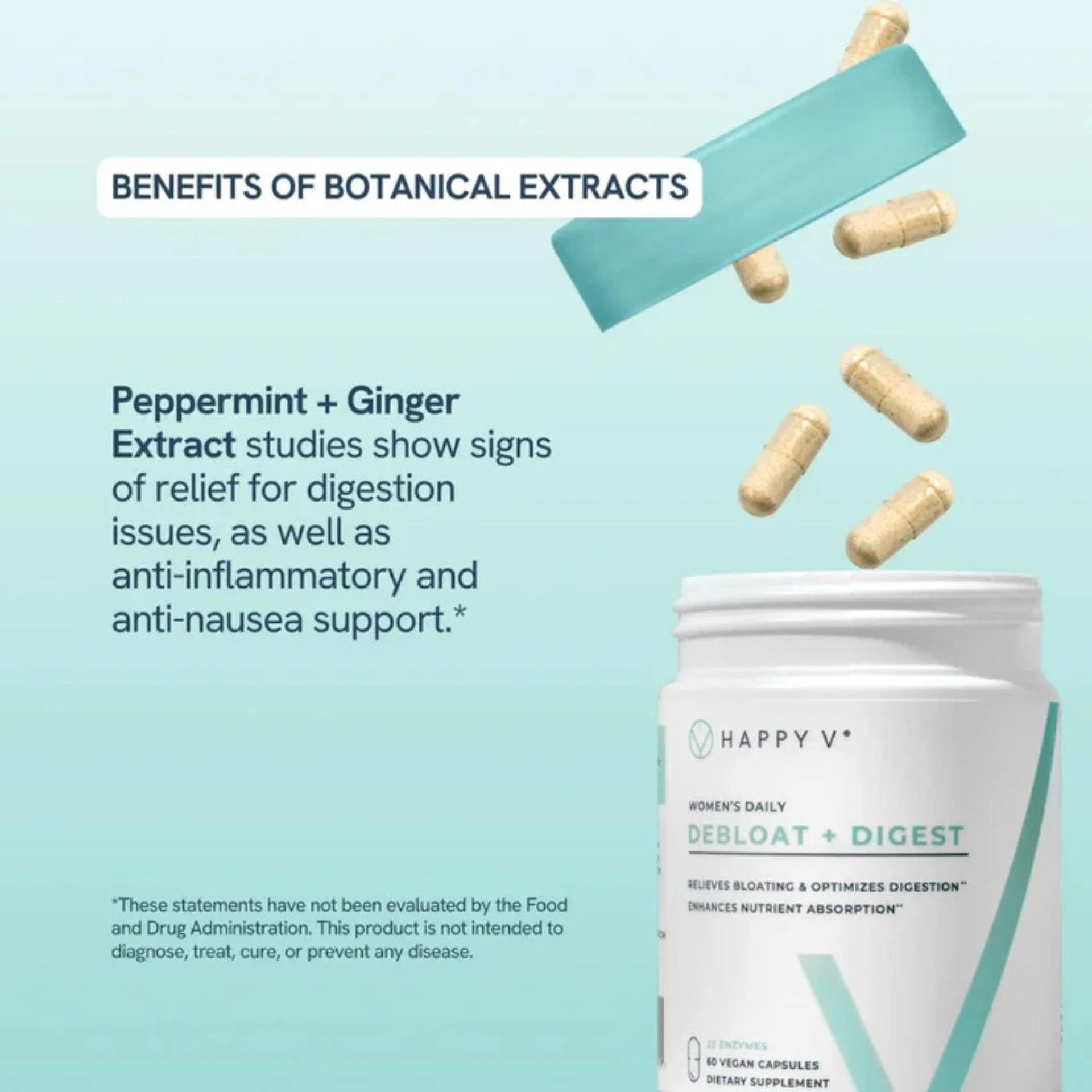
Some people want help “right now,” especially for bloating after meals. That’s where a gut health supplement with enzymes and calming herbs can fit.
Common parts of a debloat + digest blend
Some digestion blends include:
- Ginger extract
- Peppermint
- Enzyme mixes (like amylase, lactase, lipase, protease)
These ingredients are often used to support digestion comfort.
For example, some supplement facts list ginger and peppermint along with a broad enzyme blend.
Why peppermint and ginger are used
Peppermint oil has evidence for helping some IBS symptoms, though studies vary in quality.
Ginger is commonly used for nausea and may help some digestion discomfort like bloating and gas.
What enzymes may help with (simple examples)
Enzymes may help you break down food that tends to cause gas, like:
- Lactose (milk sugar) → lactase helps
- Some bean sugars → alpha-galactosidase helps
- Heavy meals with mixed foods → multi-enzyme blends may help some people
Smart way to use a debloat gut health supplement
If you use a debloat-style gut health supplement, do this:
- Try it with your most “problem” meal (not with every meal at first)
- Track how you feel for 7 days
- Stop if symptoms get worse
This keeps it simple and safe.
Gut health supplement results: the food and habit plan that makes it work better
Supplements help most when the basics are strong. Here is a simple plan that matches gut support.
The “3 daily gut basics”
Do these daily:
- Water: drink water through the day (especially with fiber)
- Fiber: add one high-fiber food you tolerate
- Movement: a 10–20 minute walk helps gut movement
Easy gut meals that reduce bloat triggers
Try simple swaps:
- Cooked veggies instead of raw salads (easier for some guts)
- Rice + cooked veggies + protein (simple, calming meal)
- Yogurt or kefir (if you tolerate dairy) as a probiotic food option
A simple 1-day routine that supports a gut health supplement
You can copy this:
- Morning: probiotic gut health supplement with breakfast
- Lunch: add one fiber food (beans, oats, fruit, or cooked veg)
- After dinner: short walk + warm water
Two mistake patterns that block results
If your gut health supplement “is not working,” check these:
- You keep switching products every 3–5 days
- You take it only sometimes
Gut support needs steady habits.
Frequently Asked Questions
What is the best gut health supplement for bloating?
The best gut health supplement for bloating depends on your trigger. Many people start with probiotics, while others do better with digestive enzymes plus peppermint or ginger for meal-time bloat.
Do probiotics help with bloating and gas?
They can help some people, especially if bloating is linked to gut imbalance. But probiotics can also cause gas at first, so start slow and track how you feel.
What is the difference between prebiotics and probiotics?
Probiotics are helpful living microbes. Prebiotics are the “food” that helps good microbes grow. Using both can support a stronger gut routine.
How long does a gut health supplement take to work?
Some people notice small changes in 1–2 weeks, like easier poop or less tight bloat. For others, it can take longer. Consistency matters more than speed.
What is the best time of day to take probiotics?
Morning with breakfast is a common choice, and it can be a helpful routine. The most important thing is taking it consistently every day.
Who should not take a probiotic gut health supplement?
People with weakened immune systems or serious illness should talk to a clinician first. If you are pregnant, breastfeeding, or on complex medicines, get personal medical advice before starting any supplement for gut health.
Final takeaway (simple and honest)
A gut health supplement can support digestion, bloat comfort, and regularity when it matches your real problem and you use it consistently. Choose the right type (probiotic, prebiotic, enzymes), start slow, and pair it with basic gut habits like fiber, water, and movement.

Sign in to leave a comment.