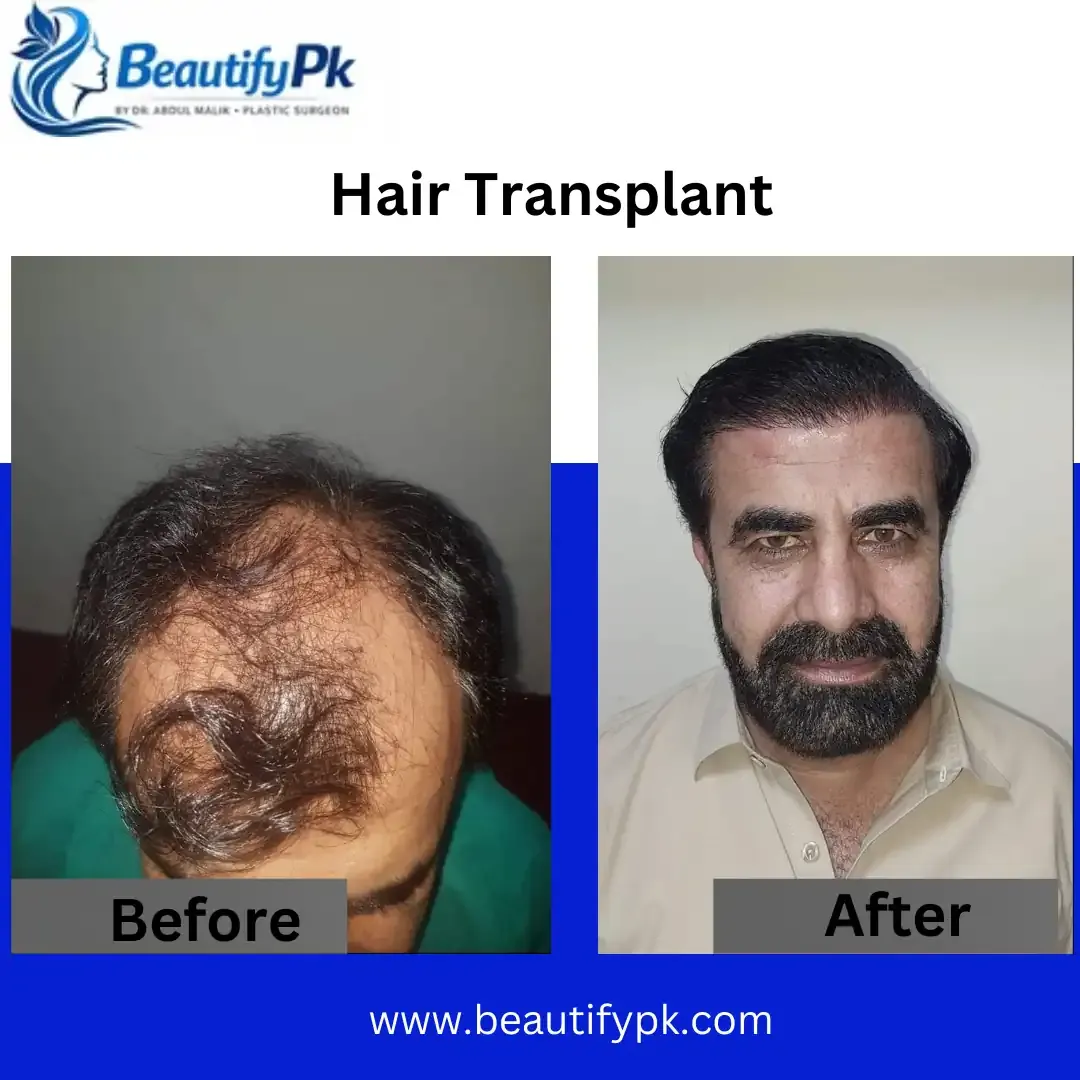

Losing hair is one of those things that quietly affects people more than they admit. It's not just about looks — it's about confidence, how you feel in photos, and how old you think you look in the mirror. If you've been researching ways to fix it, chances are you've landed on the term “hair transplant surgery” more than once. This blog breaks it down in simple words — what it actually is, how it's done, and what you should know before deciding if it's right for you.
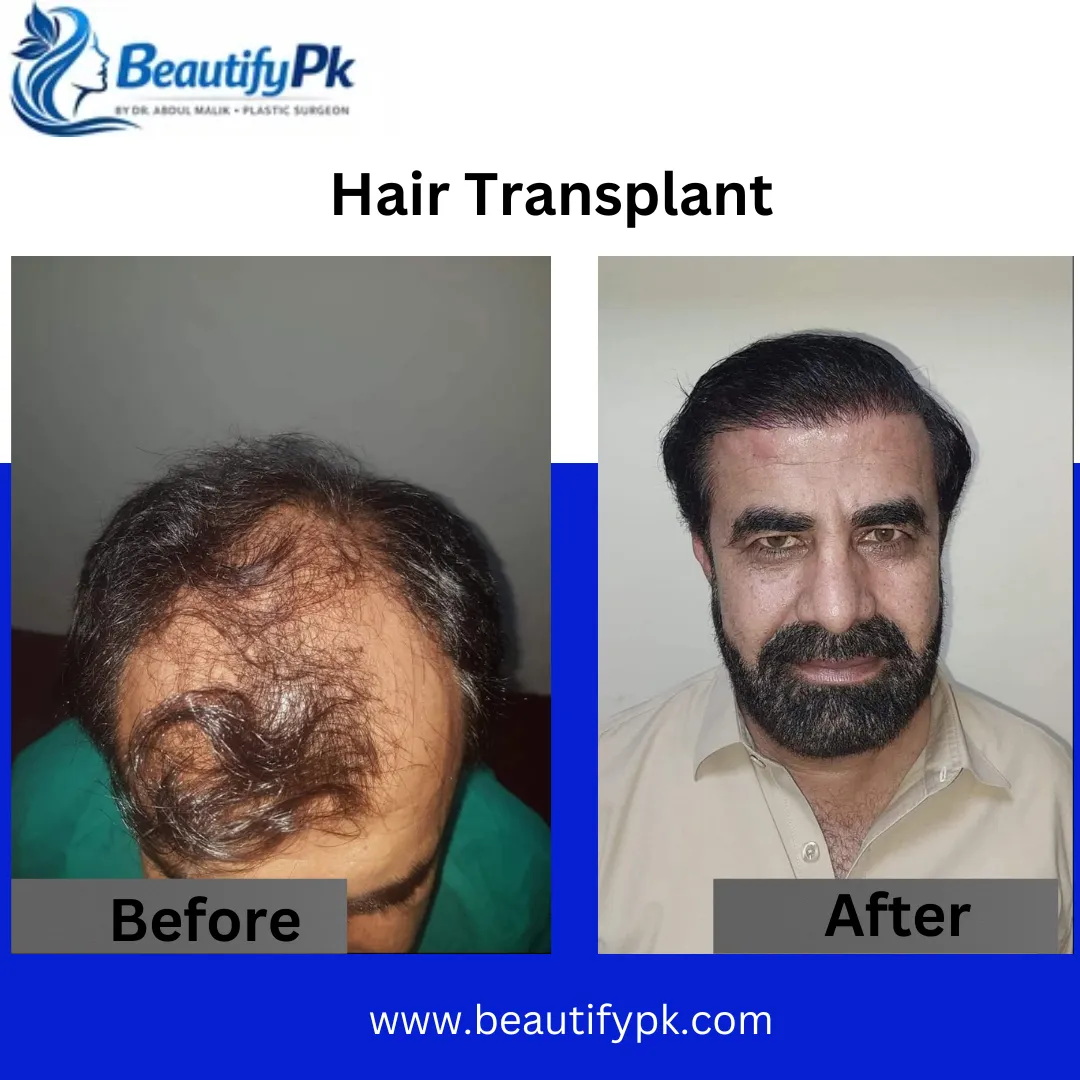
What Is Hair Transplant Surgery?
In simple terms, hair transplant surgery is a procedure where hair follicles are moved from one part of your scalp to another. Doctors usually take healthy, strong follicles from the back or sides of your head — an area that's naturally resistant to hair loss — and place them into the thinning or bald areas, like the hairline, crown, or temples.
It's not a cream, not a tablet, and not a temporary fix. It's a permanent, surgical solution for pattern baldness and thinning hair, and it's one of the few treatments that actually regrows real hair in the area you're worried about.
Types of Hair Transplant Techniques
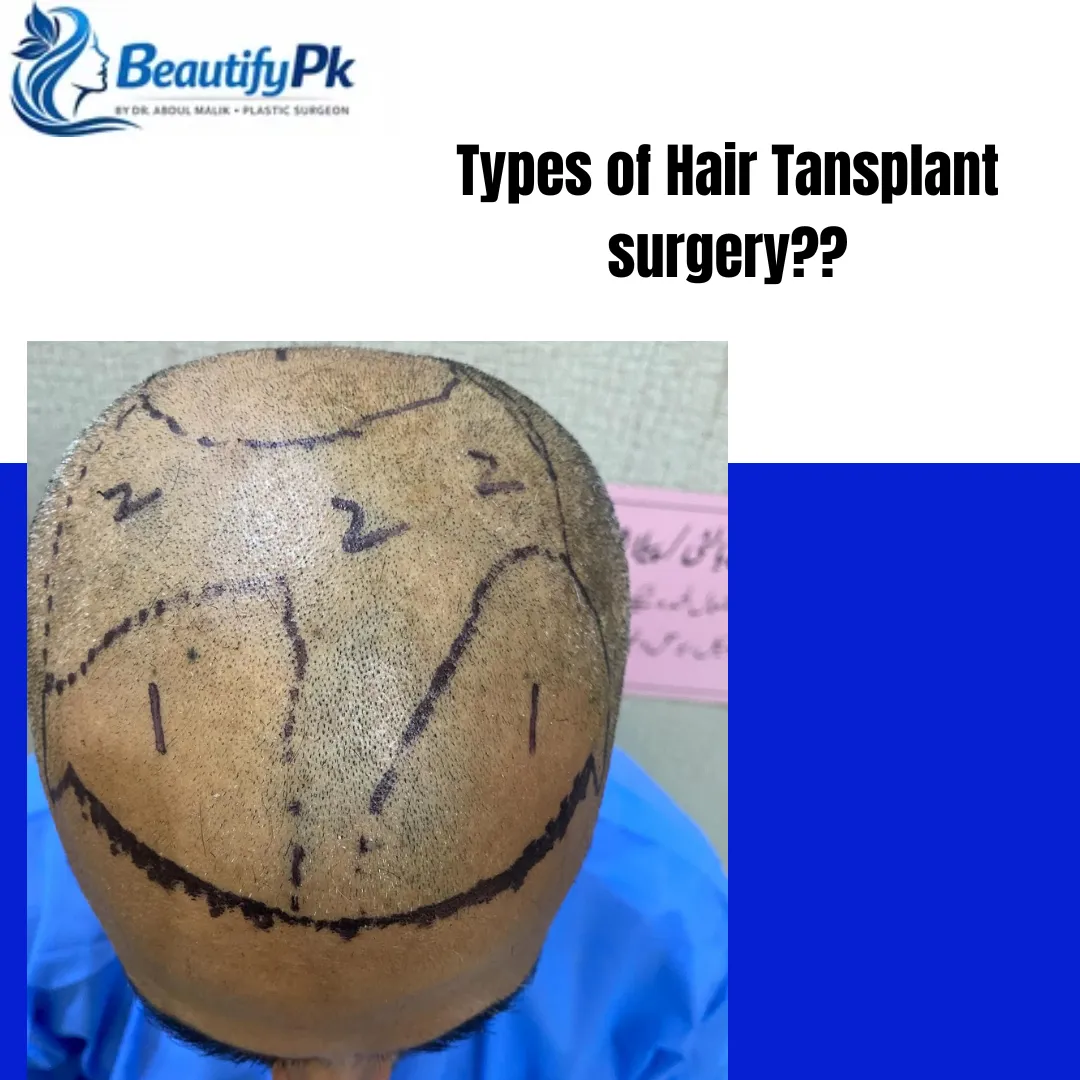
There isn't just one way to do a hair transplant. The two most common methods are:
FUE (Follicular Unit Extraction)
Individual hair follicles are extracted one by one from the donor area and implanted into the thinning region. It doesn't leave a long scar, healing is faster, and most patients prefer it because it's less invasive.
FUT (Follicular Unit Transplantation)
A thin strip of scalp is removed from the donor area, and follicles are separated from it before being transplanted. It can leave a thin linear scar, but it's often a good option for patients who need a large number of grafts in a single sitting.
Which one is right for you depends on your hair loss pattern, how much coverage you need, and what your surgeon recommends after examining your scalp.
How the Procedure Actually Works
A hair transplant typically takes anywhere from 4 to 8 hours, depending on how many grafts are needed. Here's roughly what happens on the day:
- Marking and numbing — The surgeon marks out the areas that need treatment and applies local anesthesia, so you're awake but won't feel pain.
- Extraction — Healthy follicles are carefully removed from the donor area using the chosen technique.
- Implantation — Each follicle is placed into the balding area at the correct angle and direction so the new hair grows naturally instead of looking artificial or "planted".
- Aftercare instructions — Before you leave, you'll be given clear guidance on how to care for your scalp while it heals.
Most patients feel mild swelling or tenderness for a few days afterward, which is completely normal and settles on its own.
Benefits of Getting a Hair Transplant
Here's why so many people eventually decide to go through with it:
- It's permanent — Once the transplanted follicles settle in, they usually keep growing for life since they're naturally resistant to the hormone that causes hair loss.
- Natural-looking results — When done properly, the new hairline blends in with your existing hair, so it doesn't look like an obvious "transplant".
- A real confidence boost — Hair loss can quietly affect self-esteem, and getting it addressed often has a bigger impact on how people feel day-to-day than expected.
- Low maintenance afterward — Once healed, transplanted hair behaves like your regular hair. Wash it, cut it, style it — no special routine needed.
- Reasonably quick recovery — Most people are back to work and daily activities within about a week to ten days, though heavy exercise should wait a little longer.
What Recovery Looks Like
The first few days involve some redness and tiny scabs at the transplant site — this is a normal part of healing, not a complication. Scabs shed naturally within a week or two. Visible new growth usually starts around the third or fourth month, and full, final results take close to a year to fully show. Patience matters here — hair transplant results build up gradually, not overnight.
Choosing the Right Clinic Matters More Than People Think
A hair transplant is only as good as the surgeon performing it. Two clinics can use the exact same technique and still produce very different results, depending on the surgeon's skill, how the grafts are handled, and how carefully the hairline is designed. Before booking anywhere, it's worth checking the surgeon's qualifications, asking to see real patient results, and getting a clear, honest answer about what outcome to expect for your specific hair loss stage — not just a generic promise.
Why Patients in Lahore and Multan Choose Dr Abdul Malik
Dr. Abdul Malik has built a reputation across Lahore and Multan for handling hair transplant cases with a focus on natural-looking results rather than rushed, high-volume procedures. Patients consistently mention the same things: a proper one-on-one consultation before any commitment, honest advice on how many grafts are actually needed, and careful attention to hairline design so the results age naturally with the patient.
Whether you're dealing with early thinning or more advanced baldness, having your case assessed by an experienced surgeon — rather than a salesperson — makes a real difference in how satisfied you are with the outcome months down the line.
Final Thoughts
Hair transplant surgery isn't a quick fix, but for the right candidate, it's one of the most effective long-term solutions for hair loss available today. It regrows real, permanent hair, requires no ongoing maintenance once healed, and can genuinely change how confident you feel in your own skin.
If you're considering it, the best first step isn't picking a clinic based on price — it's getting a proper consultation, understanding your own hair loss pattern, and asking the right questions before you commit.
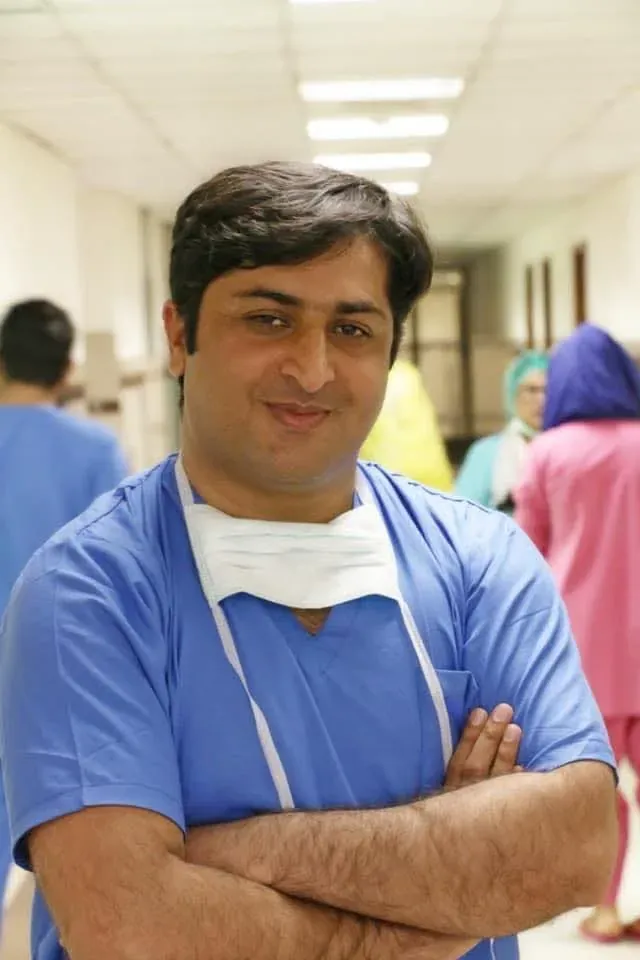
For patients in Lahore and Multan looking for an experienced, patient-focused approach to hair restoration, Dr. Abdul Malik at BeautifyPK offers detailed consultations to help you understand your options before making any decision.
























Sign in to leave a comment.