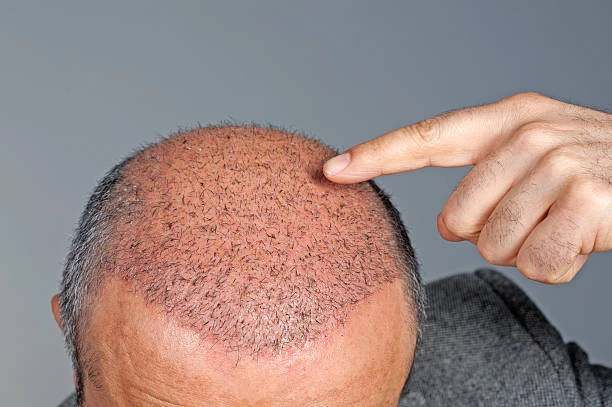

Hair loss can be a challenging issue for both men and women, affecting not only their physical appearance but also their self-confidence. Fortunately, hair transplant surgery is a safe and effective solution for those who suffer from hair loss. The procedure involves removing hair follicles from a donor site and transplanting them to the balding or thinning areas on the scalp. However, some people may wonder if hair transplant is halal or haram, especially if they belong to a religion that prohibits certain practices. In this article, we will discuss the Islamic perspective on hair transplant and what to expect before, during, and after the surgery.
Is Hair Transplant Halal or Haram?
According to Islamic law, hair transplant surgery is considered halal, as long as it does not cause harm to the patient and does not involve the use of haram (prohibited) materials or practices. In other words, as long as the procedure is performed using ethical and medically accepted methods, it is permissible in Islam.
Before the Surgery
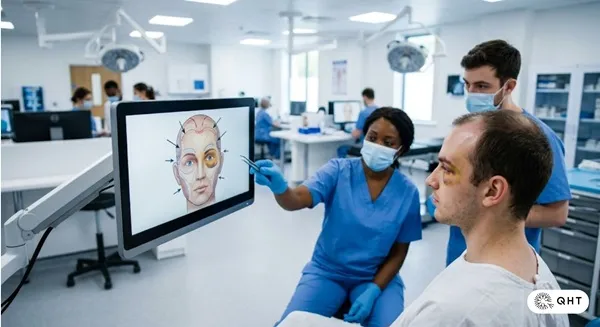
Before the surgery, you will have a consultation with your surgeon to discuss your medical history, current medications, and expectations for the results. The surgeon will examine your scalp to determine the extent of hair loss and the number of hair grafts needed for the transplant. You may also be asked to stop taking certain medications or supplements that can interfere with the surgery or the healing process.
During the Surgery
On the day of the surgery, you will be given local anesthesia to numb the donor and recipient areas on your scalp. The surgeon will use a special tool to remove hair follicles from the donor site, usually the back or sides of the head, and prepare them for transplantation. The recipient area will be prepared by making tiny incisions where the hair follicles will be inserted. The surgeon will carefully place the hair grafts to create a natural-looking hairline and fill in the thinning or balding areas.
After the Surgery
After the surgery, you may experience some mild discomfort, swelling, and redness in the treated areas. You will be given specific instructions on how to care for your scalp and hair, including avoiding strenuous activities, wearing a loose-fitting hat, and avoiding direct sunlight for a few weeks. You will also need to take medications to prevent infection and promote healing. It is normal to experience some shedding of the transplanted hair in the first few weeks, but it will start to grow back within a few months.
In conclusion, hair transplant surgery is a halal and effective solution for hair loss, provided that it is performed using ethical and medically accepted methods. Before the surgery, it is essential to have a consultation with a qualified surgeon and discuss your expectations and medical history. During the surgery, you will be under local anesthesia and the procedure can take several hours, depending on the number of grafts needed. After the surgery, you will need to follow specific instructions on how to care for your scalp and hair and take medications to prevent infection and promote healing. In the end, the results of the surgery can be life-changing, restoring your self-confidence and improving your quality of life.
Also Read- Social Media and Privacy: How to Protect Yourself

















Sign in to leave a comment.