

The hajj islamic pilgrimage and umrah are two of the most significant spiritual journeys in Islam. Every year, millions of Muslims travel to the holy cities of Makkah and Madinah to perform these sacred acts of worship. While the hajj islamic pilgrimage is an obligatory duty for eligible Muslims once in their lifetime, umrah is a voluntary pilgrimage that can be performed at any time of the year. Both journeys offer believers an opportunity to strengthen their faith, seek forgiveness, and develop a closer relationship with Allah.
For Muslims worldwide, the hajj islamic pilgrimage and umrah represent a profound spiritual experience filled with devotion, prayer, and reflection. Understanding their significance, rituals, and benefits can help pilgrims prepare for a meaningful journey.

What Is Hajj Islamic Pilgrimage?
The hajj islamic pilgrimage is the fifth pillar of Islam and is mandatory for every financially and physically capable Muslim at least once in their lifetime. It takes place annually during the Islamic month of Dhul Hijjah.
The hajj islamic pilgrimage commemorates the devotion and sacrifices of Prophet Ibrahim (AS), his wife Hajar (RA), and their son Prophet Ismail (AS). Through a series of rituals performed over several days, pilgrims demonstrate obedience to Allah and unity among Muslims.
Millions of believers from different countries, cultures, and backgrounds gather in Makkah for the hajj islamic pilgrimage, making it one of the largest religious gatherings in the world.
What Is Umrah?

Umrah is often referred to as the “minor pilgrimage.” Unlike the hajj islamic pilgrimage, umrah is not obligatory but highly recommended in Islam.
Muslims can perform umrah at any time during the year. The pilgrimage involves entering a state of Ihram, performing Tawaf around the Kaaba, walking between Safa and Marwah, and completing the pilgrimage by trimming or shaving the hair.
Although shorter than the hajj islamic pilgrimage, umrah offers immense spiritual rewards and serves as a means of purification and renewal of faith.
Difference Between Hajj Islamic Pilgrimage and Umrah
Many Muslims wonder about the differences between the hajj islamic pilgrimage and umrah.
Obligation
- Hajj islamic pilgrimage is compulsory for eligible Muslims once in a lifetime.
- Umrah is voluntary and can be performed multiple times.
Timing
- The hajj islamic pilgrimage is performed only during specific dates in Dhul Hijjah.
- Umrah can be performed throughout the year.
Rituals
- The hajj islamic pilgrimage includes additional rituals such as standing at Arafat, staying in Mina, and stoning the Jamarat.
- Umrah involves fewer rituals and can usually be completed within a few hours.
Duration
- The hajj islamic pilgrimage generally lasts several days.
- Umrah is often completed within a single day.
Importance of Hajj Islamic Pilgrimage in Islam
The hajj islamic pilgrimage holds tremendous importance because it fulfills one of the fundamental pillars of Islam.
Some key spiritual benefits include:
- Strengthening faith and devotion.
- Seeking forgiveness for sins.
- Demonstrating submission to Allah.
- Experiencing unity with Muslims worldwide.
- Following the traditions of Prophet Ibrahim (AS) and Prophet Muhammad (PBUH).
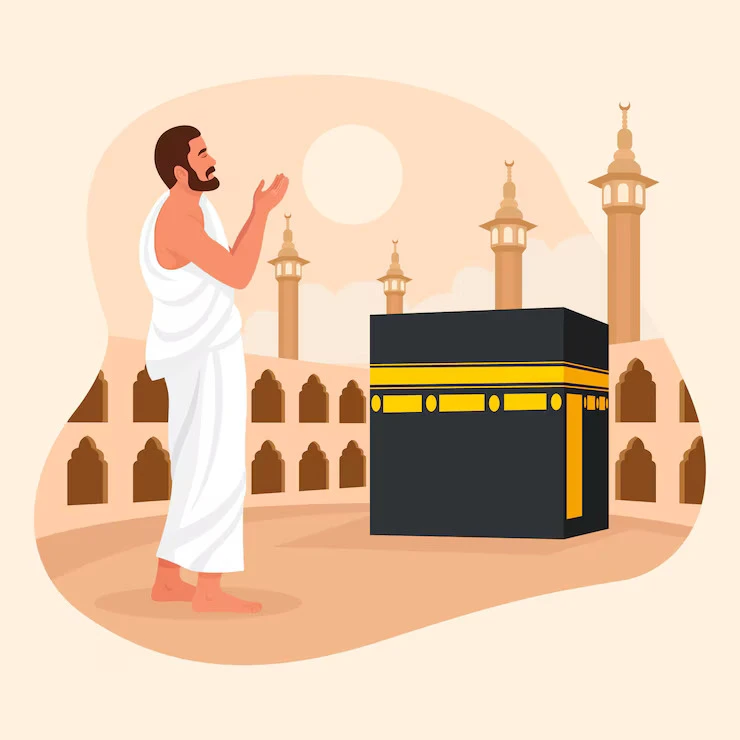
The hajj islamic pilgrimage reminds believers of equality before Allah, as pilgrims wear simple white garments regardless of social or economic status.
Importance of Umrah for Muslims
Although umrah is not mandatory, it provides many spiritual benefits.
Performing umrah allows Muslims to:
- Increase their connection with Allah.
- Seek forgiveness and mercy.
- Purify the soul.
- Gain spiritual peace.
- Visit the sacred sites of Islam.
Many Muslims perform umrah before undertaking the hajj islamic pilgrimage to become familiar with the holy rituals and environment of Makkah.
Main Rituals of Hajj Islamic Pilgrimage
The hajj islamic pilgrimage consists of several important rituals.
1. Ihram
Pilgrims enter a sacred state known as Ihram. Men wear two white cloths, while women wear modest Islamic clothing.
2. Tawaf
Pilgrims circle the Holy Kaaba seven times in worship and remembrance of Allah.
3. Sa’i
Pilgrims walk between the hills of Safa and Marwah, following the footsteps of Hajar (RA).
4. Mina
Pilgrims spend time in Mina engaged in prayer and reflection.
5. Arafat
Standing at Arafat is the most important part of the hajj islamic pilgrimage. Pilgrims spend the day in supplication and worship.
6. Muzdalifah
Pilgrims collect pebbles for the next ritual and spend the night in worship.
7. Stoning the Jamarat
Pilgrims throw pebbles at symbolic pillars representing Satan.
8. Sacrifice
Animals are sacrificed to commemorate Prophet Ibrahim's obedience to Allah.
9. Final Tawaf
Pilgrims complete a farewell Tawaf before departing Makkah.
Main Rituals of Umrah
The rituals of umrah are simpler but equally meaningful.
Entering Ihram
Pilgrims make the intention for umrah and enter the state of Ihram.
Performing Tawaf
Pilgrims walk around the Kaaba seven times.
Performing Sa’i
Pilgrims walk between Safa and Marwah seven times.
Hair Trimming or Shaving
The pilgrimage concludes with shaving or trimming the hair.
These rituals symbolize devotion, sacrifice, and obedience to Allah.
Preparing for Hajj Islamic Pilgrimage and Umrah
Preparation is essential for a successful hajj islamic pilgrimage and umrah journey.
Spiritual Preparation
- Increase prayers and supplications.
- Seek forgiveness from Allah.
- Learn the rituals thoroughly.
- Strengthen Islamic knowledge.
Physical Preparation
- Improve fitness and stamina.
- Stay hydrated.
- Consult healthcare professionals if necessary.
Financial Preparation
- Budget for travel expenses.
- Choose reliable travel packages.
- Ensure all required documents are prepared.
Proper preparation allows pilgrims to focus fully on worship during the hajj islamic pilgrimage and umrah.
Benefits of Performing Hajj Islamic Pilgrimage and Umrah
The hajj islamic pilgrimage and umrah provide countless rewards.
Spiritual Renewal
Pilgrims often return with stronger faith and greater devotion.
Forgiveness of Sins
Islam teaches that sincere worship during the hajj islamic pilgrimage and umrah can lead to forgiveness of past sins.
Unity of Muslims
Millions of believers worship together regardless of nationality, race, or language.
Personal Growth
The journey teaches patience, humility, gratitude, and perseverance.
Visiting Makkah and Madinah
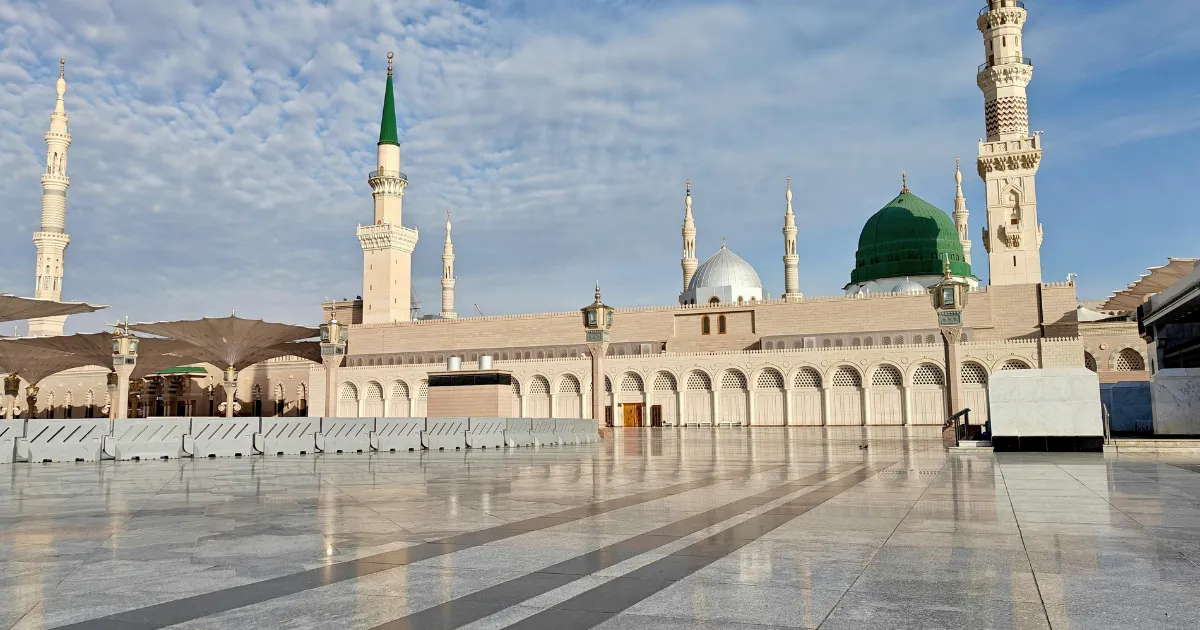
While performing umrah or the hajj islamic pilgrimage, many Muslims also visit Madinah.
In Madinah, pilgrims visit:
- Al-Masjid an-Nabawi
- Rawdah Mubarak
- Quba Mosque
- Historic Islamic sites
These visits deepen the spiritual experience and strengthen the connection to Islamic history.
Conclusion
The hajj islamic pilgrimage and umrah are extraordinary acts of worship that bring Muslims closer to Allah. While the hajj islamic pilgrimage is a mandatory pillar of Islam for those who are able, umrah offers believers a valuable opportunity for spiritual growth and renewal throughout the year.

Both journeys provide unforgettable experiences filled with prayer, reflection, unity, and devotion. By understanding the significance, rituals, and benefits of the hajj islamic pilgrimage and umrah, Muslims can prepare themselves for a meaningful and rewarding pilgrimage that leaves a lasting impact on their lives.
Frequently Asked Questions (FAQs)
What is the difference between hajj islamic pilgrimage and umrah?
The hajj islamic pilgrimage is mandatory for eligible Muslims and takes place during specific dates in Dhul Hijjah, while umrah is voluntary and can be performed any time of the year.
Is umrah compulsory in Islam?
No, umrah is not compulsory. However, it is highly recommended and carries great spiritual rewards.
How long does the hajj islamic pilgrimage take?
The hajj islamic pilgrimage generally takes five to six days, depending on travel arrangements and schedules.
Can umrah be performed before hajj?
Yes, many Muslims perform umrah before undertaking the hajj islamic pilgrimage.
What are the rewards of hajj islamic pilgrimage and umrah?
The hajj islamic pilgrimage and umrah provide opportunities for forgiveness, spiritual purification, increased faith, and closeness to Allah.





















Sign in to leave a comment.