
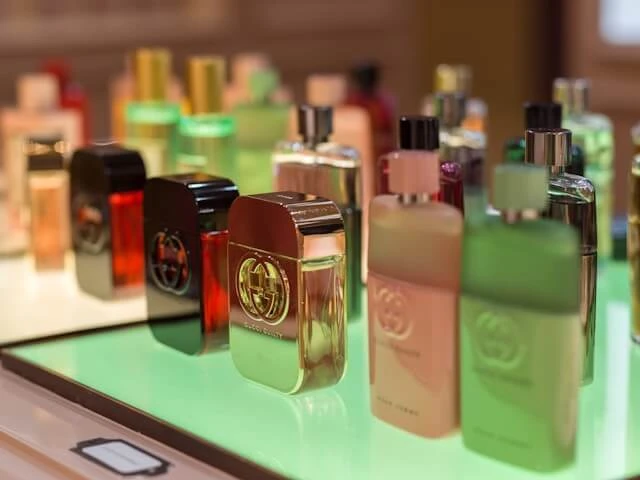
In recent years, the global beauty industry has shifted toward ethical, clean, and faith-compatible products. Among these, Halal Cosmetic Certification has become one of the most demanded standards, especially in Muslim-majority regions and internationally. This certification assures consumers that the cosmetics they use are free from prohibited ingredients and produced according to Islamic guidelines. In this detailed guide, we explain what Halal cosmetic certification is, how it works, why it matters, and how brands can obtain it.
What Is Halal Cosmetic Certification?
Halal Cosmetic Certification is an official approval issued by an accredited Halal authority confirming that a cosmetic or personal care product complies with Islamic dietary and purity laws (Shariah).
This certification ensures that:
- The product does not contain any haram (forbidden) ingredients, such as pork derivatives or alcohol.
- The manufacturing and packaging processes follow hygienic and halal-compliant procedures.
- The product is safe, clean, and permissible for Muslim consumers to use.
This certification covers all beauty and personal care items, including:
- Skincare
- Makeup
- Haircare
- Perfumes
- Body lotions
- Shampoos
- Soaps
- Oral care products
Why Is Halal Cosmetic Certification Important?
1. Consumer Trust
Muslim consumers want assurance that the products they apply on their skin or hair are in line with Islamic principles. Certification increases trust and transparency.
2. Market Demand
The global halal cosmetics market is rapidly growing, valued in billions of dollars. Brands with certification gain easier access to Middle Eastern, Asian, and European markets.
3. Ethical & Clean Beauty Movement
Halal products are typically cruelty-free, hygienic, and made with safe ingredients, appealing even to non-Muslim consumers.
4. Competitive Edge for Brands
Certification differentiates a brand from competitors and boosts its credibility.
Requirements for Halal Cosmetic Certification
To receive certification, companies must meet strict criteria:
1. Ingredient Verification
Every ingredient must be examined to ensure:
- It is not derived from pork or non-halal animals
- It does not contain ethanol or intoxicating alcohol
- It is free from harmful or toxic substances
- All chemical processes involved are halal-compliant
2. Halal-Compliant Manufacturing
The production facility must:
- Maintain hygiene standards
- Prevent cross-contamination with non-halal materials
- Use dedicated halal equipment (or fully sanitized shared equipment)
3. Halal Supply Chain
From raw materials to storage, packaging, labeling, and transportation—all must meet halal standards.
4. Documentation & Auditing
Companies must provide:
- Ingredient lists
- Supplier certificates
- Material Safety Data Sheets (MSDS)
- Manufacturing process descriptions
A halal body audits all these details before issuing certification.
How to Get Halal Cosmetic Certification
The certification process generally includes:
Step 1: Application Submission
The company submits an application to an accredited Halal certification body.
Step 2: Ingredient Review
All ingredients and raw materials undergo detailed inspection.
Step 3: Factory Audit
Inspectors visit the manufacturing site to verify cleanliness, hygiene, and halal compliance.
Step 4: Approval & Certification
If all requirements are met, the product receives halal certification.
Step 5: Annual Renewal
Most certifications require yearly renewal and monitoring.
Who Provides Halal Cosmetic Certification?
Globally recognised Halal authorities include:
- JAKIM (Malaysia)
- MUIS (Singapore)
- GCC Accreditation Center (GAC)
- HCA / HFCI (USA)
- Halal Accreditation Council (Pakistan)
- IFANCA (Islamic Food and Nutrition Council of America)
Brands should choose a certification body accepted by international markets.
Benefits for Manufacturers and Brands
- Access to new markets
- Increased sales in Muslim communities
- Stronger brand image
- Compliance with global industry standards
- Consumer satisfaction and loyalty
Final Thoughts
Halal Cosmetic Certification is no longer optional—it is essential for brands wanting to enter the booming halal beauty market. With rising consumer awareness and demand for ethical, clean, and faith-based products, obtaining this certification enhances trust, market reach, and product credibility.






















Sign in to leave a comment.