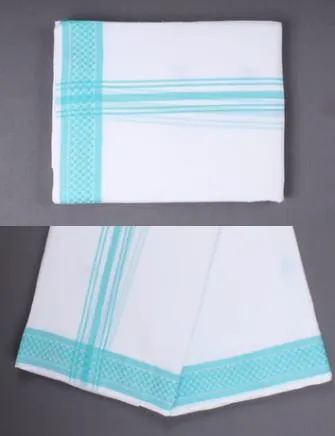
The dhoti stands as a timeless symbol of cultural heritage and elegance in men's traditional wear. While it appears simple, the method of its creation plays a crucial role in its character, comfort, and longevity. The choice between a dhoti woven on a traditional handloom and one produced on a power loom is significant, impacting everything from the fabric's feel to the livelihood of artisan communities. Understanding these differences is key to making an informed decision that aligns with your values and preferences for quality. This guide explores the unique attributes of a handloom dhoti compared to its machine-made counterpart.
Understanding the Handloom Weaving Process
A handloom is a manually operated weaving frame that has been used for centuries to create fabric. The process is entirely dependent on the skill and labour of the weaver. Each thread of the warp (vertical) and weft (horizontal) is interlaced by hand, a meticulous and rhythmic task that requires immense patience and expertise.
This human touch is what gives handloom fabrics their soul. The weaver’s control over the loom allows for slight, beautiful variations in the texture, making every single dhoti a unique piece of art. The tension of the yarn is naturally gentler than in a machine process, resulting in a fabric that is softer, more absorbent, and exceptionally breathable, making it ideal for the UK’s varied climate.
The Rise of the Machine-Made (Power Loom) Dhoti
In contrast, a power loom is a mechanised loom that is automated and powered by electricity. Its invention marked a pivotal moment in the textile industry, enabling the mass production of fabrics at a speed unimaginable with manual methods.
Power looms create textiles with perfect uniformity and consistency. The process is fast, efficient, and requires minimal human intervention once set up. While this results in a lower cost and wider availability, it comes at the expense of the fabric's character. The high, unvarying tension applied to the yarn can make the resulting fabric feel stiffer and less breathable compared to handloom weaves.
Key Differences at a Glance
When choosing between the two, it helps to compare their core characteristics directly. The distinctions go far beyond the surface, influencing everything from daily comfort to long-term value.
Fabric Texture and Feel
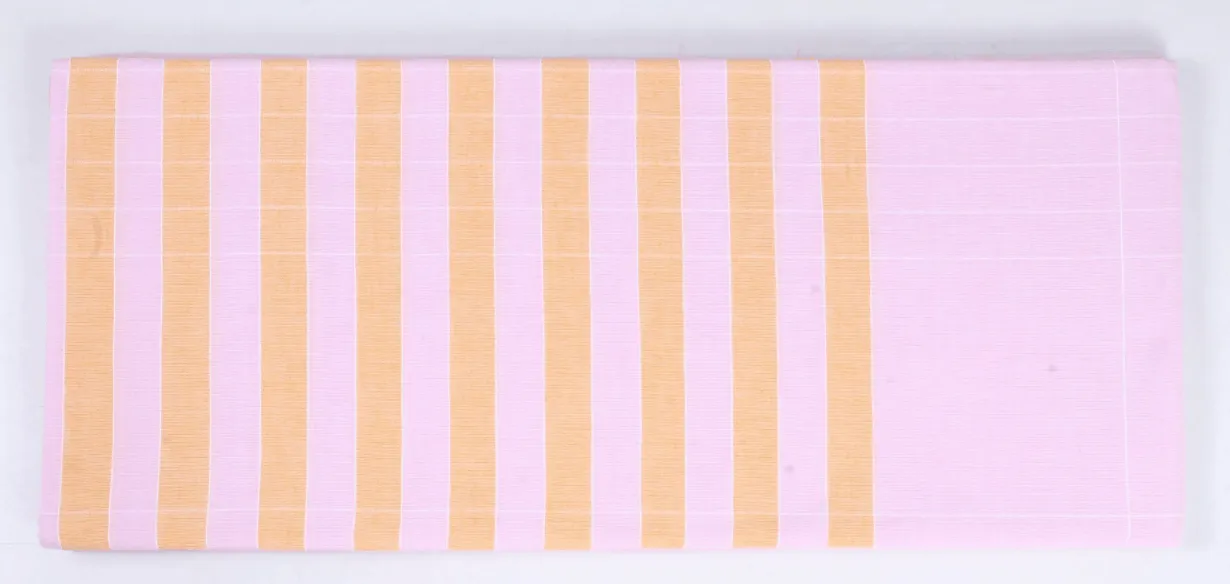
- Handloom: The fabric is characterised by its softness and a distinct, supple drape. The gentle weaving process preserves the natural texture of the cotton fibres, and the material often becomes even softer with each wash. You might notice minor slubs or irregularities, which are not defects but hallmarks of true craftsmanship.
- Machine-Made: The material is flawlessly uniform. While initially smooth, it can feel more rigid due to the tightly pulled yarns. This high tension can reduce the fabric's natural ability to breathe.
Durability and Longevity
The strength of the fabric is another important consideration. While both types are designed for wear, their construction affects how they age. Authentic handloom cotton dhoties are often more resilient over time because the fibres are less stressed during the weaving process. The selvages (the self-finished edges of the fabric) on a handloom product are typically neater and more secure, preventing fraying.
Cultural and Economic Impact
Choosing a handloom dhoti is an act of supporting heritage and sustainability. It provides a livelihood for skilled artisans, preserving ancient weaving techniques that have been passed down through generations. The process has a minimal carbon footprint. In contrast, power looms represent industrial production, which, while providing employment, does not sustain the same level of traditional craftsmanship.
How to Identify an Authentic Handloom Dhoti
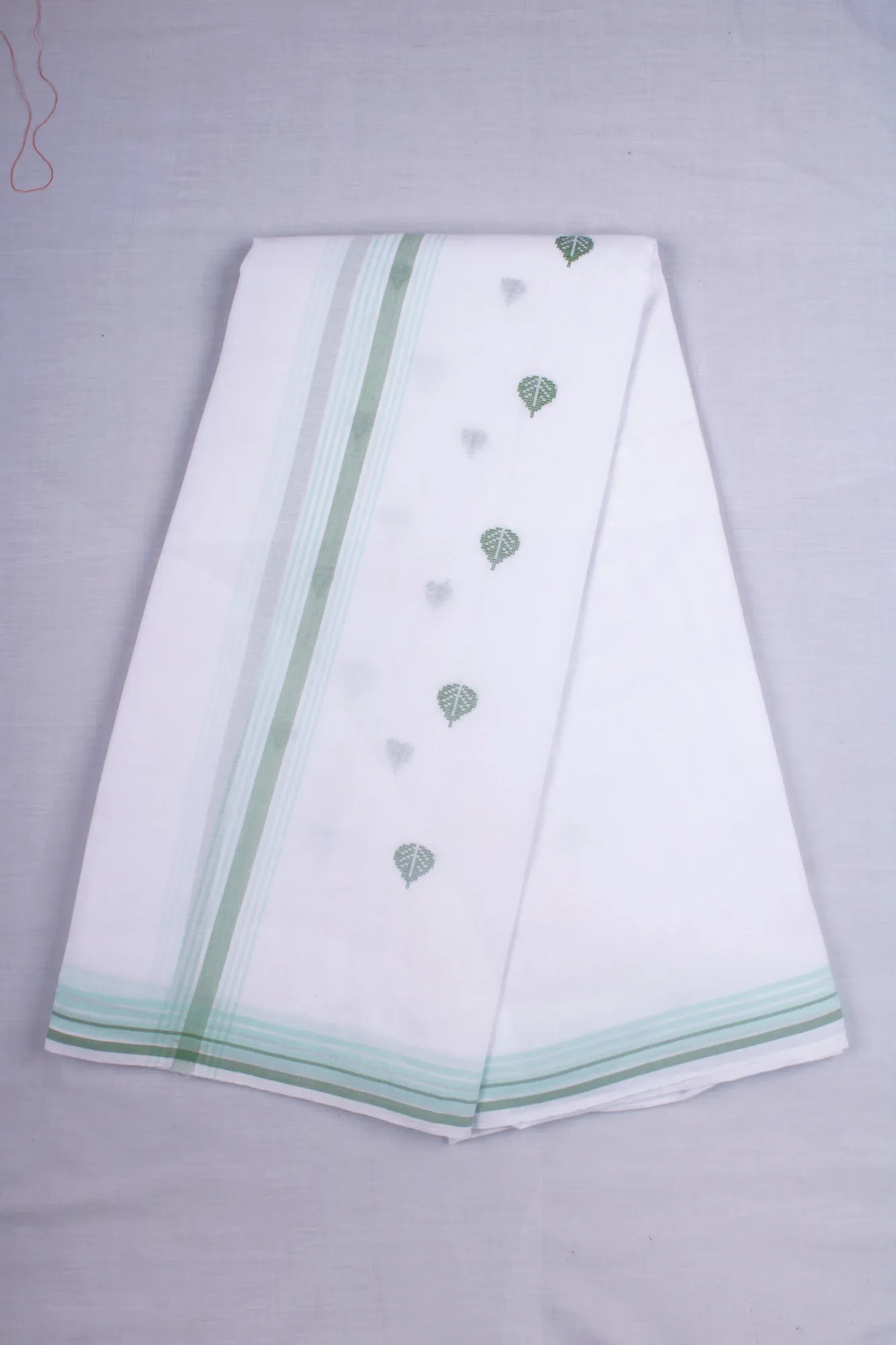
Distinguishing between a handloom and a machine-made product can be straightforward if you know what to look for. When you search for a handloom dhoti online, it is vital to purchase from trusted sources, but you can also look for physical tell-tale signs. An authentic handloom piece will have a slightly uneven surface, with tiny knots or thread variations that signify it was woven by hand. The texture of handloom cotton dhotis feels organic and has a unique depth to it that a machine-made equivalent cannot replicate.
Conclusion
The decision between a handloom and a machine-made dhoti is ultimately a personal one. It is a choice between the unique character and rich tradition of artisanal craftsmanship and the uniform precision of industrial manufacturing. While a power loom offers affordability and consistency, a handloom dhoti offers unparalleled comfort, a connection to cultural heritage, and the satisfaction of owning a truly one-of-a-kind garment. It is an investment in quality, artistry, and the sustainable future of textile traditions.
For those who value the story and craftsmanship woven into every thread, exploring a curated collection of authentic textiles is the natural next step. To discover dhotis that celebrate this incredible heritage, you can browse the selection at Shramdaan.

























Sign in to leave a comment.