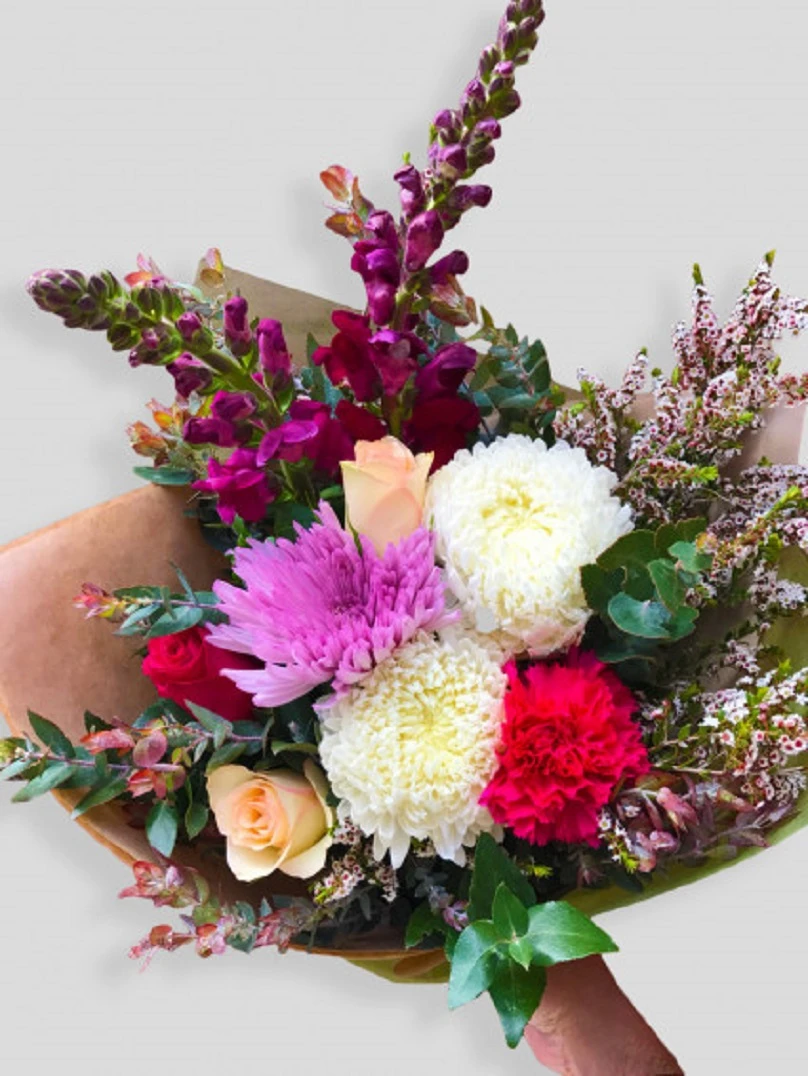

In the world of creative expression, the beautiful connection between nature and artistic skill has always been a tremendous source of inspiration. Among the many awe-inspiring aspects of the natural world, few have captured the human imagination as much as flowers. These fragile and lively blossoms have not only adorned our gardens but have also played a crucial role in influencing the creation of magnificent music over the years.
Come and join us as we delve into the captivating world where flower petals gracefully move to the tunes of artistic expression, where flowers serve as inspiration for magnificent musical compositions, and where the essence of these blooms acts as a connection between the physical and the spiritual, serving as proof of the unlimited capabilities of our imagination. Within "Harmonious Blooms," we uncover the everlasting allure of flowers, as they remain an integral part of the melodies and harmonies that form the soundtrack of our existence.
Exploring the Symbolism of Flowers in Music
Romanticism and Nature: In the Romantic era of classical music, composers often drew inspiration from nature, and flowers were a common symbol of the natural world. Composers like Franz Schubert and Robert Schumann used flowers to evoke the beauty and fragility of nature in their compositions. For example, Schubert's "Die schöne Müllerin" includes songs that use the image of a flower as a symbol of love and longing.Love and Romance: Flowers have long been associated with love and romance, and many love songs reference them as symbols of affection. In popular music, you can find countless examples of songs that use flowers to express love and desire. For instance, "La Vie en Rose" by Edith Piaf compares love to a rose-coloured world.Symbolism of Specific Flowers:
Roses: Roses are perhaps the most widely recognised flower symbol in music. They often represent love, passion, and desire. Songs like "The Rose" by Bette Midler and "Kiss From a Rose" by Seal use roses as a central symbol.
Lily: The lily is often associated with purity and innocence. In "Scarborough Fair," the singer requests the object of their affection to perform a series of impossible tasks, including "parsley, sage, rosemary, and thyme" and a "true lover" who must be found with a "true love" represented by a white lily.
Daisies: Daisies are sometimes associated with simplicity and purity. In the folk song "Daisy Bell (Bicycle Built for Two)," the daisy represents the innocent love between two people.
Sunflowers: Sunflowers represent optimism, adoration, and a bright outlook on life. In music, they can symbolise the joy and warmth of love or happiness.
Tulips: Tulips can symbolise perfect or undying love. In music, they may be used to express deep affection and devotion.
Lotus Flower: Lotus flowers symbolise purity, enlightenment, and spiritual awakening. In music, they can convey themes of spiritual transcendence and personal growth.
Symbolism of Flower Colours:Red Flowers: Red flowers like roses are often linked to passionate and romantic love.
White Flowers: White flowers, such as lilies, symbolise purity and innocence.
Yellow Flowers: Yellow flowers like daffodils can represent friendship and happiness.
Purple flowers: Purple flowers can symbolise a sense of luxury or creativity in music. They may be used to convey themes of opulence and sophistication.
Orange flowers: Orange flowers symbolise enthusiasm and creative energy. In music, they can be used to convey a sense of excitement or inspiration.
Pink Flowers: Pink flowers represent affectionate and tender emotions. In music, they are used to convey feelings of admiration, gratitude, and fondness.
Symbolism in Album Art and Imagery: Beyond lyrics and themes, flowers are often used symbolically in album art and visual imagery associated with music. Artists may incorporate specific flowers to convey mood or complement the thematic elements of an album.Folk and Traditional Music: Folk songs and traditional music often incorporate flower symbolism to tell stories or convey cultural messages. For instance, the folk song "Scarborough Fair" mentioned earlier is a traditional English ballad that uses flower symbolism to create a narrative.Spiritual and Religious Symbolism: In religious music and hymns, flowers can have deeper spiritual meanings. For example, in Christian hymns, the lily may symbolise purity and resurrection.The Science Behind the Connection of Flowers and Music
The relationship between music and emotions, which includes the utilisation of symbols such as floral arrangements in Melbourne to express emotions, is an intricate and diverse occurrence that encompasses different elements of psychology, neuroscience, and cultural symbolism. Here are several significant scientific variables that assist in elucidating this association:
Emotional Resonance:
Music's Impact on Emotions: Music has the remarkable ability to evoke and influence emotions. It achieves this by engaging with the limbic system of the brain, which is accountable for the interpretation of emotions. Certain musical elements, such as tempo, melody, harmony, and lyrics, can elicit specific emotional responses.Individual Differences: While there are general trends in how music affects emotions (e.g., fast tempo often associated with excitement, slow tempo with sadness), individual differences, personal experiences, and cultural backgrounds also play a significant role in shaping emotional responses to music.Symbolism and Cultural Significance:
Cultural Context: The symbolic meaning of flowers varies across cultures and historical periods. For example, in Western culture, red roses bouquets are strongly associated with love and passion, whereas in Eastern cultures, different flowers may have different meanings. Musicians often draw on these cultural associations to convey specific emotions or themes.Semiotics: The study of semiotics explores how symbols, including flowers, convey meaning in various forms of communication, including music. Musicians use semiotics to create layers of meaning and depth in their compositions, enhancing the emotional impact on the listener.Memory and Association:
Emotional Memories: Music has a powerful ability to trigger emotional memories. When a song is associated with a particular emotional event or experience, hearing that song can bring back the emotions associated with it. This is known as the "Proustian effect," named after the French writer Marcel Proust, who wrote about how a taste of a madeleine cookie triggered a flood of memories and emotions.Floral Imagery: When musicians incorporate floral symbolism into their lyrics or visual imagery, they tap into the audience's existing associations with those symbols. For example, the sight or mention of a red rose in a song may trigger feelings of love or passion in listeners who are familiar with the cultural symbolism of roses.Neurological Responses:
Brain Activity: Research utilising neuroimaging methods, like fMRI, has indicated that the act of listening to music can stimulate different parts of the brain linked to the processing of emotions, including the amygdala and the prefrontal cortex.These brain regions are also involved in processing visual and symbolic information, making it possible for floral symbolism to enhance emotional responses to music.Cross-Modal Integration: The brain often integrates information from multiple sensory modalities, including auditory and visual cues. When music includes floral symbols in its lyrics or imagery, this cross-modal integration can reinforce emotional responses by linking auditory and visual stimuli.Blossoming Melodies: How Musicians Draw Inspiration from Flowers
Lyrics and Metaphors: Musicians frequently incorporate floral imagery into their lyrics. Flowers can serve as metaphors for emotions, relationships, or personal growth. For instance, a song may use the blooming of a flower as a metaphor for the development of love or self-discovery.Mood and Atmosphere: Musicians can capture the essence of different flowers in their compositions by infusing their music with corresponding moods and atmospheres. For example, a piece of music inspired by a vibrant field of wildflowers may be joyful and exuberant, while a composition evoking the serenity of a lily pond might be tranquil and reflective.Instrumentation and Arrangement: Musicians often choose instruments and musical arrangements that mimic the characteristics of flowers. They may use delicate, intricate, or flowing melodies to mirror the elegance of certain flowers, or bold, dramatic arrangements to reflect the vibrancy of others.Cultural Symbolism: The symbolism of flowers varies across cultures, and musicians can draw on these cultural associations to convey specific messages or emotions. For instance, the cherry blossom is associated with fleeting beauty in Japanese culture, and musicians may incorporate this symbolism to explore themes of impermanence.Emotional Expressiveness: Musicians can convey a wide range of emotions through their compositions inspired by flowers. For example, a mournful melody intertwined with the imagery of wilted petals might convey a sense of loss, while a lively tune with lyrics about blossoming might evoke joy and celebration.Narrative and Storytelling: Musicians may use flowers as narrative elements in their songs or compositions. The journey of a flower from bud to full bloom can be used to tell stories of growth, transformation, and the passage of time.Visual and Conceptual Art: Musicians sometimes collaborate with visual artists to create multimedia experiences that combine music and visual representations of flowers. These collaborations can enhance the emotional impact of both the music and the visual art.Environmental and Ethical Themes: Some musicians draw inspiration from flowers to raise awareness of environmental issues or advocate for conservation efforts. They may use their music to convey messages about the fragility and importance of nature.The Intersection of Art and Nature
Representation and Realism: Artists have long been fascinated by the natural world and have sought to depict it in their works. From cave paintings to contemporary photography, the natural world has been a frequent subject of art. The desire to capture the beauty and intricacy of nature has led to various artistic movements, such as Realism and Naturalism, which prioritise accurate representation.Landscape Art: Landscape painting is a genre dedicated to depicting natural scenery, often focusing on the portrayal of natural landscapes, including mountains, forests, rivers, and seascapes. Artists like Thomas Cole and Albert Bierstadt in the 19th century, known as the Hudson River School, created breathtaking landscapes that celebrated the beauty of the American wilderness.Environmental Art: Environmental art, or land art, is a contemporary artistic movement that seeks to interact with and often reshape the natural environment. Artists create installations and sculptures using natural materials in outdoor settings, blurring the boundaries between art and nature. Famous environmental artists include Andy Goldsworthy and Richard Long.Biomimicry: Some artists and designers look to nature for inspiration in solving complex problems. Biomimicry involves studying natural processes, forms, and systems to develop innovative solutions in architecture, engineering, and product design. Nature's designs often serve as a source of efficiency, sustainability, and beauty.Nature Writing and Poetry: Writers have long drawn inspiration from nature, producing works that celebrate the natural world or reflect on humanity's relationship with it. Prominent poets such as William Wordsworth and Mary Oliver are recognized for their poetry that draws inspiration from nature, often delving into the deep bond between humans and the natural world. Music and Nature: Music frequently incorporates natural sounds and themes. Composers use bird songs, flowing water, and other natural sounds in their compositions to create evocative auditory landscapes. Additionally, nature-inspired melodies and rhythms can capture the essence of the natural world.Environmental Awareness and Activism: Art has the capacity to act as a potent instrument for increasing consciousness regarding environmental matters and supporting endeavours to protect and preserve nature.Artists use their creations to provoke thought, elicit emotional responses, and inspire action in the face of environmental challenges.Spirituality and Symbolism: Many cultures have spiritual connections to nature, and art often reflects these beliefs. Natural elements like trees, animals, and celestial bodies are frequently imbued with symbolic meaning and appear in religious and spiritual art.Human Impact on Nature: Some artists use their work to comment on humanity's impact on the environment, addressing topics such as deforestation, pollution, and climate change. Through their art, they may seek to prompt reflection and encourage sustainable practices.In conclusion, the symbolism of flowers in music is a captivating and versatile artistic device that adds depth and emotional resonance to musical compositions across various genres and time periods. Flowers, with their rich cultural and emotional associations, serve as potent symbols that enable musicians to convey complex themes, emotions, and narratives. Whether representing love and passion through the symbolism of roses, invoking purity and innocence with lilies, or drawing upon the varied cultural meanings of different flowers, musicians harness the power of floral imagery to engage listeners on a profound emotional level.









Sign in to leave a comment.