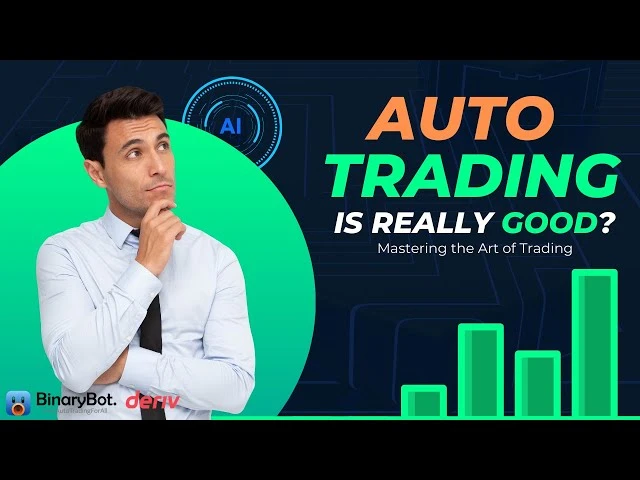

The integration of artificial intelligence (AI) into various industries has caused significant advancements in technology, and the world of finance is no exception. Auto trading, or algorithmic trading, is one area that has experienced massive growth thanks to AI. By using machine learning algorithms, data analysis, and pattern recognition, AI is transforming the way financial markets operate. In this article, we will explore how AI-powered auto trading works, its benefits, challenges, and the future of AI in trading.
Understanding AI in Auto Trading
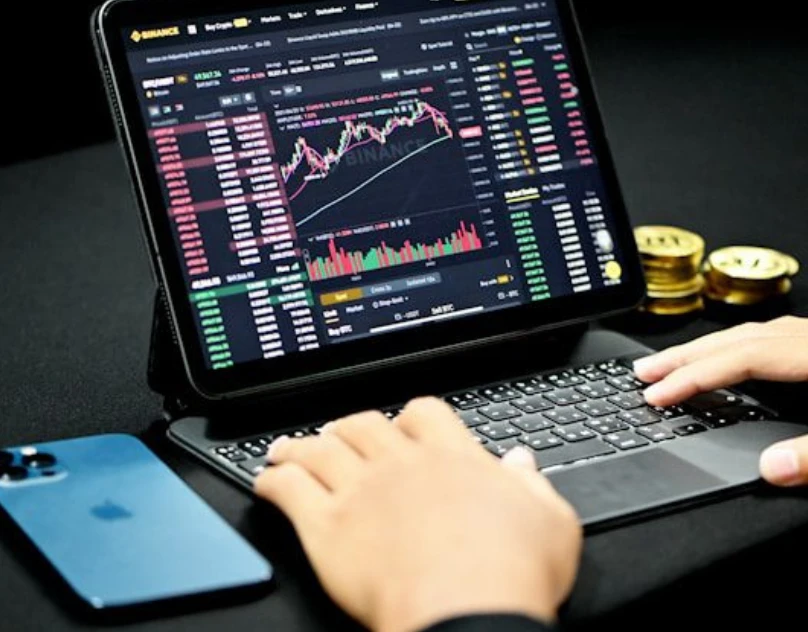
Ai auto trading refers to the use of computer algorithms to execute trades in financial markets without human intervention. These algorithms are designed to analyze market conditions, recognize trends, and place buy or sell orders automatically based on pre-set conditions. With AI, these algorithms can evolve, adapt, and improve over time by learning from historical data and current market trends.
AI-driven auto trading systems rely on deep learning, machine learning, and natural language processing (NLP) to predict market movements. Machine learning allows these systems to learn from historical data, optimize trading strategies, and make decisions in real-time. NLP is used to analyze news, reports, and social media to assess market sentiment, which can influence trading decisions.
The Advantages of AI-Powered Auto Trading
Speed and Efficiency: One of the most significant advantages of AI in auto trading is its ability to process vast amounts of data quickly. Human traders may take time to analyze data, but AI can scan and assess market conditions in a fraction of a second, making split-second decisions that can capitalize on market opportunities before they disappear.
Emotionless Decision-Making: Human traders are often influenced by emotions like fear, greed, and stress, which can lead to irrational decision-making. AI, however, makes trading decisions based solely on data and algorithms, eliminating emotional bias. This leads to more disciplined and rational decision-making.
Continuous Monitoring: Financial markets are open 24/7, and AI-powered systems can monitor and trade around the clock. This continuous monitoring ensures that traders never miss out on potential opportunities, even when they are not actively watching the markets.
Data-Driven Decisions: AI can analyze vast amounts of data from a variety of sources, including historical market data, economic indicators, and social media sentiment. By processing and interpreting this data, AI systems can make informed, data-driven decisions that human traders might not have access to or be able to process quickly.
Backtesting and Strategy Optimization: AI algorithms can be backtested against historical data to evaluate the effectiveness of different trading strategies. By simulating past market conditions, traders can optimize their strategies before implementing them in live markets. This reduces risk and increases the chances of success.
Challenges of AI in Auto Trading
Data Dependency: AI systems rely heavily on data. The quality of data fed into these systems directly affects the accuracy of predictions and trading decisions. Inaccurate or incomplete data can lead to poor decision-making, and AI systems may struggle in volatile or unforeseen market conditions.
Market Volatility: Financial markets are inherently volatile, and sudden, unexpected events (such as political changes or natural disasters) can disrupt market trends. AI systems, while capable of processing large amounts of data, may struggle to adjust to these unforeseen events. Relying solely on historical data might limit their ability to predict such events.
Overfitting: AI models can sometimes become too specialized in historical data, a phenomenon known as overfitting. This can cause the model to perform well in backtesting but poorly in live markets. Overfitting can make the model too rigid and less adaptable to new market conditions.
Ethical and Regulatory Concerns: As AI continues to play a larger role in auto trading, regulators are raising concerns about its impact on market fairness. For example, high-frequency trading powered by AI could lead to market manipulation or create an unfair advantage for certain players. Governments and regulatory bodies are working on developing frameworks to ensure that AI-driven trading is transparent and fair.
Risk of System Failures: Like any technology, AI systems are not infallible. They are vulnerable to errors, bugs, or even cyberattacks. If an AI trading system malfunctions or is compromised, it could cause significant financial losses. As a result, having robust risk management practices in place is essential for AI-driven auto trading systems.
The Future of AI in Auto Trading
The future of AI in auto trading looks promising, with advancements in machine learning, neural networks, and big data analysis continuing to enhance the capabilities of trading systems. In the coming years, we can expect AI-driven systems to become more sophisticated, adaptive, and able to handle increasingly complex market conditions, to know more click here https://www.facebook.com/BinaryBot.live.
Additionally, AI will likely play a larger role in personal finance, with automated trading strategies becoming more accessible to retail investors. Platforms that allow users to create personalized AI trading strategies could democratize access to algorithmic trading, offering a way for individuals to compete with institutional traders.
Moreover, as AI continues to improve, we may see innovations such as the integration of AI with blockchain technology to enhance transparency and security in financial transactions. The combination of AI and blockchain could lead to more secure, efficient, and trustable financial markets.
More Words
AI-powered auto trading has already transformed the way financial markets operate, offering numerous advantages such as speed, efficiency, and emotionless decision-making. While challenges remain, particularly in data quality, market volatility, and regulatory concerns, the potential of AI in auto trading is undeniable. As technology advances, AI will continue to shape the future of trading, making it more accessible, efficient, and data-driven for traders of all kinds. Whether you're a professional trader or an individual investor, understanding and leveraging AI's capabilities can provide a competitive edge in the fast-paced world of finance.






























Sign in to leave a comment.