
landscaping and property management, few things are as essential and potentially problematic as tree roots. While trees bestow beauty, shade, and environmental benefits, their roots can also wreak havoc on sidewalks, driveways, and underground utilities. The delicate balance between enjoying the presence of trees and safeguarding property infrastructure often hinges on effective root management solutions. One such solution that has gained significant traction in recent years is the root barrier.
Root barrier sheet, also known as tree root barriers or root barrier sheets, are innovative tools designed to control the growth of tree roots and prevent them from encroaching upon sensitive areas. Whether you\'re a homeowner, a landscaper, or a property manager, understanding the benefits and applications of root barriers can make a world of difference in preserving both the health of your trees and the integrity of your property.
Understanding Root Barriers: How Do They Work?
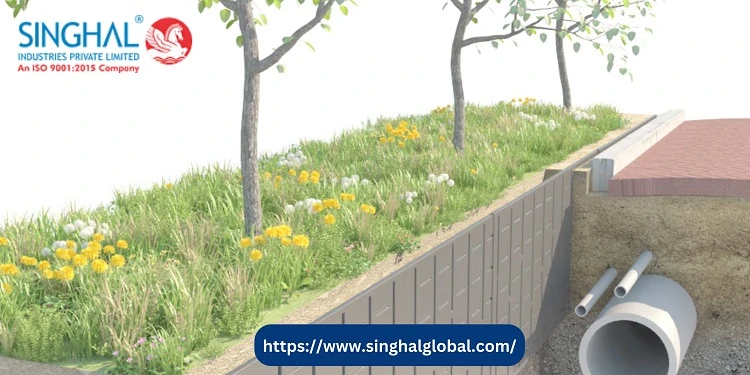
At its core, a root barrier is a physical barrier installed in the soil to guide or block the growth of tree roots in a specific direction. These barriers are typically made from durable materials such as plastic, fiberglass, or geotextiles, and are available in various forms, including solid panels, flexible sheets, and rolls. When properly installed, root barriers create an underground barrier that redirects tree roots away from sensitive areas while allowing them to grow unimpeded in other directions.
The effectiveness of root barriers lies in their ability to create a barrier that is both strong and impermeable to roots, yet flexible enough to accommodate the natural movement and growth of tree roots over time. By guiding roots away from structures like foundations, sidewalks, and pipes, root barriers help prevent costly damage and minimize the need for disruptive root pruning or removal.
Benefits of Root Barriers
The adoption of root barrier for trees offers a myriad of benefits for both trees and property owners:
Protection Against Damage: One of the primary benefits of root barriers is their ability to protect infrastructure from damage caused by invasive tree roots. By creating a physical barrier, root barriers prevent roots from causing cracks in sidewalks, lifting up driveways, or infiltrating sewer lines.
Preservation of Tree Health: While root barriers restrict the growth of roots in certain directions, they also encourage healthier root development by directing roots to grow deeper into the soil. This can result in stronger, more stable trees that are better equipped to withstand environmental stressors such as drought or storms.
Cost Savings: Investing in root barriers can lead to significant cost savings over time by reducing the need for expensive repairs and maintenance associated with root damage. By proactively managing root growth, property owners can avoid the headaches and expenses that often accompany root-related issues.
Environmental Conservation: Root barriers promote sustainable landscaping practices by minimizing the need for excessive root pruning or tree removal. By preserving existing trees and minimizing disturbance to the surrounding ecosystem, root barriers contribute to environmental conservation efforts.
Versatility: Root barriers can be installed in a variety of settings, including residential yards, commercial developments, and urban streetscapes. They can be tailored to fit the specific needs and constraints of any landscaping project, making them a versatile solution for root management.
Installation and Maintenance
While tree root barrier offer numerous benefits, their effectiveness ultimately depends on proper installation and maintenance. Here are some key considerations:
Site Assessment: Before installing root barriers, conduct a thorough assessment of the site to identify potential areas of concern and determine the optimal placement of barriers.
Installation: Proper installation is critical to the effectiveness of root barriers. Ensure that barriers are installed at the appropriate depth and angle to effectively guide root growth away from sensitive areas.
Monitoring and Maintenance: Regular monitoring of root barriers is essential to ensure they remain intact and functional over time. Periodic inspections can help identify any signs of damage or degradation and allow for timely repairs or replacement as needed.
Watering and Soil Management: Proper watering and soil management practices are also important for maintaining healthy trees and maximizing the effectiveness of root barriers. Ensure that trees receive adequate water and nutrients to support their growth and development.
Conclusion
In summary, root barriers represent a valuable tool for managing tree roots and protecting property infrastructure. By creating a physical barrier that guides root growth away from sensitive areas, root barriers help preserve both the health of trees and the integrity of surrounding structures. Whether you\'re looking to safeguard your driveway, preserve historic sidewalks, or protect underground utilities, investing in root barriers can offer long-term benefits for both your property and the environment. With proper installation and maintenance, root barriers can serve as a sustainable solution for managing tree roots and promoting harmonious coexistence between trees and property owners.



























Sign in to leave a comment.