Making the decision to replace a missing tooth is a big step. If you’ve recently scheduled or completed your procedure, you’re probably wondering what the recovery process looks like and how long it takes to feel “normal” again. The good news? Most patients in Kyle are pleasantly surprised at how manageable healing can be with the right guidance.
If you’re planning for a dental implant in Kyle, understanding what happens after surgery will help you feel confident, prepared, and in control.
What Happens Right After the Procedure?
Once the implant is placed, your body immediately begins healing. This process includes:
- Soft tissue healing around the gums
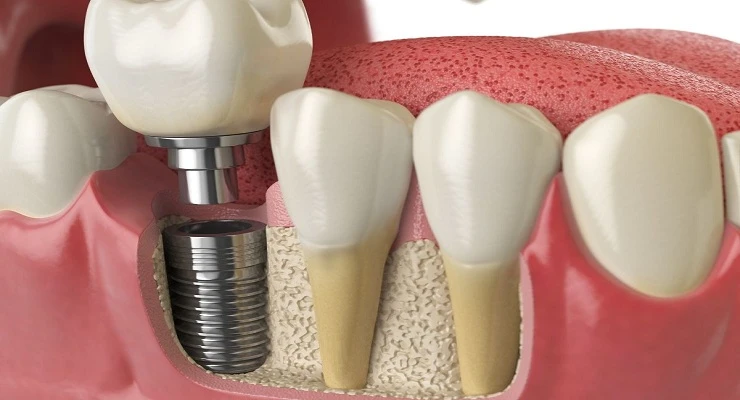
- Bone bonding (osseointegration), where the implant fuses securely with your jawbone
While that second phase takes a few months, your day-to-day recovery is usually much quicker.
The First 24–72 Hours
During the first few days, it’s normal to experience:
- Mild swelling around the gums or jaw
- Minor bleeding or oozing at the site
- Tenderness when chewing
- Slight fatigue from the procedure
Most patients in Kyle are back to light activities within a day or two. If you work locally in retail, education, healthcare, or commute toward Austin, you’ll likely be able to return quickly—just avoid heavy lifting or intense workouts.
Smart Aftercare Tips for a Smooth Recovery
Proper aftercare plays a major role in dental implant recovery. The first few days are especially important, as they set the foundation for healthy healing and long-term success. By following simple instructions and protecting the surgical area, you can reduce swelling, prevent complications, and support strong bone integration. A little extra attention now goes a long way toward ensuring stable, lasting results.
✔ Take It Easy
Avoid strenuous activity for several days. Your body heals best when it isn’t under physical stress.
✔ Use Cold Compresses
Apply ice packs in short intervals during the first 24 hours to reduce swelling.
✔ Choose Soft, Nourishing Foods
Stick with:
- Yogurt
- Smoothies
- Mashed potatoes
- Scrambled eggs
- Oatmeal
Skip crunchy tacos, chips, or anything too hot—especially popular Texas favorites that may irritate the area early on.
✔ Keep the Area Clean
Maintain gentle brushing and follow any rinse recommendations provided by your dentist.
✔ Avoid Smoking and Alcohol
Smoking and alcohol can significantly slow the healing process after surgery. Tobacco restricts blood flow to the gums, which reduces oxygen and nutrients needed for proper tissue repair. Alcohol can interfere with medications and increase inflammation. Avoiding smoking and alcohol during the early stages of recovery helps lower the risk of infection and supports healthy, predictable healing.
Understanding the Bone Healing Timeline
The long-term success of your treatment depends on osseointegration. Here’s what that typically looks like:
Weeks 1–2:
Gum tissue closes and swelling reduces. You’ll likely feel much better by the end of this stage.
Weeks 3–8:
Surface healing continues. Discomfort fades, and the site feels stable.
Months 3–6:
The bone gradually fuses to the implant, anchoring it securely in place.
Even if you feel completely fine after a couple of weeks, the internal bonding process is still happening. This is why your dentist waits before placing the final crown.
What’s Normal — and What’s Not?
It’s important to know the difference between expected discomfort and warning signs.
Normal:
- Mild soreness
- Slight swelling
- Light bruising
- Minor bleeding within the first day
Call Your Dentist If You Notice:
- Severe or worsening pain
- Heavy bleeding
- Fever
- Swelling that increases after several days
Prompt communication prevents small issues from becoming bigger ones.
Factors That Influence Recovery
Healing time isn’t identical for everyone. Several variables affect how quickly you recover:
- Overall health: Conditions like diabetes can slow healing.
- Bone quality: Strong bone structure allows more predictable integration.
- Number of implants placed: Multiple sites may extend recovery.
- Lifestyle habits: Smoking significantly delays healing.
Some Kyle patients may require bone grafting beforehand, particularly if they’ve had missing teeth for years. While that adds time to the overall process, it strengthens the foundation and improves long-term results.
Local Considerations for Kyle Patients
Living in Kyle comes with its own lifestyle factors that can influence healing:
- Hot Texas weather can increase dehydration — drink plenty of water.
- If you commute daily on I-35, plan rest time rather than rushing back into traffic stress.
- If you’re active in local sports leagues or fitness programs, take a short break to protect the surgical site.
Planning your recovery around your schedule makes the experience smoother.
How Long Until You Feel Normal?
Most people feel significantly better within a week. However, “fully healed” from a biological standpoint takes several months.
The key takeaway? Just because you feel fine doesn’t mean the process is complete. Following instructions carefully protects your investment.
Tips for a Comfortable Recovery
Here are a few practical suggestions patients often find helpful:
- Sleep with your head slightly elevated the first two nights
- Prepare soft foods in advance
- Take prescribed medications exactly as directed
- Avoid touching the area with your tongue
- Attend all follow-up appointments
Small habits make a big difference.
Why Proper Healing Matters
The stability of your implant depends entirely on successful integration with your jawbone. Rushing recovery or ignoring aftercare instructions increases the risk of complications.
When healed properly, your implant can:
- Look and function like a natural tooth
- Restore chewing ability
- Prevent bone loss
- Last for decades with proper care
For those considering a Dental Implant in Kyle, understanding this healing journey is just as important as the procedure itself.
Frequently Asked Questions
1. How painful is recovery?
Most patients describe it as mild to moderate soreness, similar to a tooth extraction. Over-the-counter or prescribed medication typically manages discomfort well.
2. When can I return to work?
Many people return within 1–2 days if their job isn’t physically demanding.
3. Can I drive after the procedure?
If sedation was used, you’ll need someone to drive you home. By the next day, driving is usually fine.
4. When can I eat normally again?
Soft foods are recommended for several days. Your dentist will guide you on when to reintroduce firmer foods.
5. What happens if I ignore aftercare instructions?
Poor aftercare increases the risk of infection or implant failure. Always follow professional guidance closely.
Sign in to leave a comment.