
Trauma lives in the body. When someone experiences a traumatic event, the nervous system goes into overdrive, flooding the body with stress hormones and altering neural pathways. Even after the event passes, the body can remain stuck in a state of hyperarousal, keeping the trauma alive through tense muscles, rapid breathing, and a constant sense of danger.
Yoga offers a way to heal these bodily manifestations of trauma through gentle movement, breathwork, and mindfulness. But yoga teachers need to take a trauma informed yoga approach to create an environment where survivors can truly relax and feel safe. Otherwise, certain poses and teaching styles can inadvertently re-traumatize students by triggering memories and emotions connected to their past experiences.
What Makes Yoga Trauma-Informed?
Trauma informed yoga provides survivors with choices and control, allowing them to modify poses to suit their comfort levels. Unlike a standard yoga class, trauma informed yoga does not use physical assists or make demands like “Push yourself!” or “Gain more flexibility!”. The teacher offers guidance through invitational language, while encouraging students to listen to their body’s limits. The emphasis is on sensations versus goals, allowing students to anchor into the present moment.
Teachers should explain what will happen in each class and obtain consent before making any physical adjustments. This creates safety through predictability. Students may also benefit from positioning themselves with their back to a wall and having easy access to exits. Eye pillows, blankets, and other props let students establish boundaries and soften their experience as needed.
Fostering Emotional Regulation
Since trauma disrupts a person’s ability to self-regulate emotionally, trauma-informed yoga incorporates breathing exercises, longer rests, and other methods to allow students to complete the stress response cycle and return to a state of calm. With teacher guidance, students can learn to use their breath to self-soothe when difficult emotions arise.
In a trauma-informed class, no pose is mandatory. The teacher offers options and encourages students to listen to their body. Grounding poses like Child’s Pose can be interwoven throughout class as a place of rest and reset. If a student feels uncomfortable or dissociated during a pose, the teacher can gently guide them back to the present through breath cues or having them place their hand on their heart.
Navigating the Recovery Process
Yoga can surface trauma stored in the body which may initially feel destabilizing. That’s why trauma informed yoga avoids intense physical demands in favor of opening pathways to feeling safe and in control. The teacher’s role is to facilitate the release of tension in a gentle way, while helping students develop tools to self-regulate. This provides survivors with the safety needed to begin processing trauma on their own terms.
Over time, trauma-informed yoga can allow survivors to form a new relationship with their body – one based on listening instead of distrust. As students gain increased body awareness and ability to self-regulate, they may feel ready to experiment with poses and sensations they previously avoided. But the teacher always allows for choice and meets the students where they are.
Additional Benefits of Trauma-Informed Yoga
In addition to physical practice, yoga philosophy can support trauma recovery. Concepts like ahimsa (non-harming), satya (truthfulness), and santosha (contentment) encourage self-acceptance and compassion. A trauma-informed yoga class also provides community and mutual understanding for survivors who often feel isolated. Rituals like candle lighting help foster an inclusive space.
Conclusion: The Possibilities for Healing
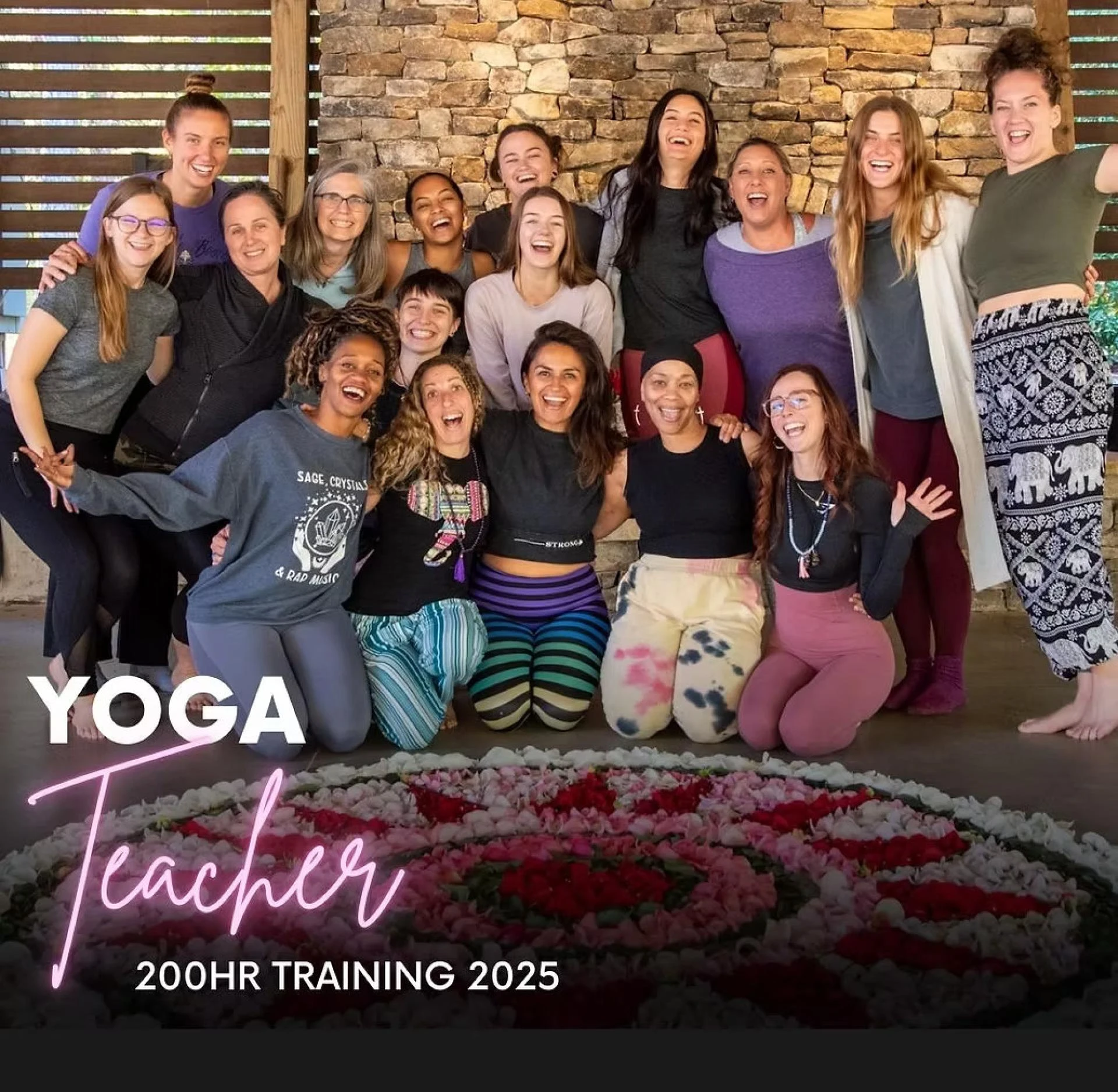
Through informed yoga teacher training, yoga can help trauma survivors move out of a state of constant hyperarousal and reactivity. The practice offers tools to regulate emotions, release stored tension, and reconnect with one’s inner wisdom. While recovery takes time, yoga provides a way for survivors to make peace with their body and reclaim a sense of control and possibility. With patience and compassion, the mat becomes a place of transformation.




Sign in to leave a comment.