

Healthcare organizations are under increasing pressure to manage staffing shortages, rising labor costs, employee burnout, and growing patient expectations. At the same time, leaders must ensure every department has the right clinicians available to deliver quality care without exceeding budgets or compromising compliance.
Traditional workforce planning often depends on spreadsheets, manual reporting, and historical assumptions. While these methods may provide a basic overview, they rarely offer the real-time insights needed to respond to today's rapidly changing healthcare environment. Challenges such as credentialing delays can further slow hiring and make workforce planning even more difficult, increasing the need for real-time workforce insights and better operational visibility.
This is where healthcare workforce analytics is making a significant difference. By turning workforce data into actionable insights, hospitals and healthcare systems can make faster, more informed staffing decisions that improve operational efficiency and patient outcomes.
What Is Healthcare Workforce Analytics?
Healthcare workforce analytics is the process of collecting, analyzing, and interpreting workforce data to support better staffing decisions. Instead of relying on guesswork, healthcare leaders use data to understand workforce trends, predict future staffing needs, and optimize resource allocation.
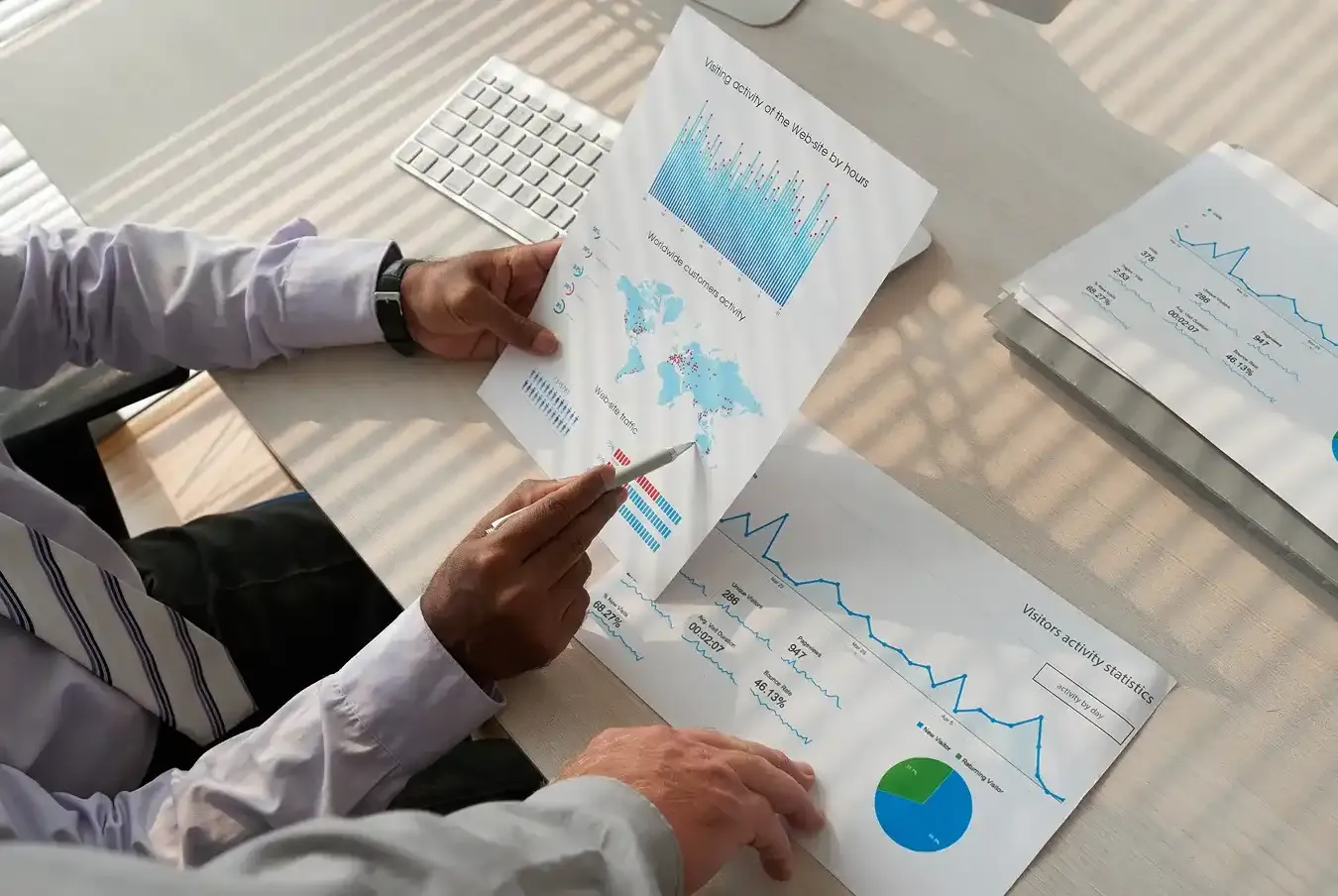
Modern analytics platforms combine information from scheduling systems, HR software, payroll, compliance records, and staffing data into a centralized dashboard. This gives decision-makers a complete view of workforce performance and enables proactive planning.
Why Workforce Analytics Matters in 2026?
Healthcare staffing has become more complex than ever. Hospitals are managing permanent employees, contract professionals, travel nurses, agency staff, and consultants across multiple departments and locations.
Without accurate workforce insights, organizations may experience:
- Overstaffing that increases labor costs
- Understaffing that affects patient care
- Higher overtime expenses
- Scheduling conflicts
- Increased employee burnout
- Compliance risks
Workforce analytics helps healthcare organizations identify these issues before they become operational challenges.
Improving Staffing Forecasts with Predictive Analytics
One of the biggest advantages of workforce analytics is predictive forecasting.
By analyzing historical staffing patterns, seasonal demand, patient admissions, and workforce availability, healthcare organizations can anticipate staffing requirements weeks or even months in advance.
For example, hospitals often experience increased patient volumes during flu season. Instead of reacting after staffing shortages occur, predictive analytics allows workforce managers to schedule additional clinicians ahead of time, reducing overtime and improving patient care.
This proactive approach also supports long-term workforce planning by helping leaders prepare for expected changes in patient demand.
Reducing Labor Costs Without Affecting Patient Care
Labor expenses represent one of the largest operational costs for healthcare organizations.
Workforce analytics helps leaders understand where labor spending is increasing and why. By monitoring overtime trends, shift coverage, agency usage, and staff utilization, organizations can identify opportunities to improve efficiency.
Instead of hiring additional temporary workers at the last minute, managers can redistribute available resources based on real-time workforce data.
This balanced approach helps control costs while maintaining safe staffing levels.
Supporting Better Scheduling Decisions
Creating staff schedules is one of the most challenging responsibilities for healthcare managers.
Workforce analytics provides valuable insights into employee availability, workload distribution, department demand, and scheduling trends.
Managers can use this information to:
- Balance workloads across teams
- Minimize scheduling conflicts
- Reduce excessive overtime
- Improve shift coverage
- Increase workforce productivity
As a result, employees experience more predictable schedules while hospitals maintain consistent patient care.
Improving Compliance and Workforce Visibility
Healthcare organizations must continuously monitor licenses, certifications, training records, and regulatory requirements.
Analytics platforms provide real-time visibility into workforce compliance by identifying upcoming license expirations, missing credentials, and incomplete documentation before they become compliance issues.
Many organizations also integrate workforce analytics with a healthcare vendor management system to centralize staffing data, monitor supplier performance, and maintain consistent compliance across permanent and contingent workers.
This centralized visibility reduces administrative effort while helping organizations remain audit-ready.
Making Better Decisions for the Contingent Workforce
Flexible staffing has become an essential part of modern healthcare operations. Travel nurses, agency clinicians, locum tenens providers, and temporary staff help organizations respond quickly to changing workforce demands.
However, managing contingent workers without accurate data often leads to inconsistent staffing decisions and higher costs.
A modern healthcare contingent workforce system provides workforce analytics that tracks vendor performance, assignment history, labor costs, credential status, and workforce availability through a single platform.
These insights enable healthcare organizations to optimize contingent staffing while improving transparency and operational control.
Enhancing Employee Experience Through Data
Workforce analytics is not only beneficial for administrators but also for healthcare professionals.
By identifying patterns related to overtime, scheduling preferences, workload distribution, and absenteeism, organizations can create healthier work environments.
For example, analytics may reveal that certain departments consistently experience higher burnout rates due to uneven scheduling. Managers can then adjust staffing plans to improve work-life balance and reduce employee fatigue.
Supporting employee well-being ultimately contributes to stronger retention and better patient care.
Preparing Healthcare Organizations for the Future
Healthcare workforce management is becoming increasingly data-driven. As artificial intelligence, automation, and predictive analytics continue to evolve, workforce leaders will have access to even more accurate insights that support strategic planning.
Rather than reacting to staffing shortages after they occur, organizations will be able to forecast demand, optimize workforce allocation, improve compliance, and make confident decisions backed by real-time data.
Healthcare organizations that invest in workforce analytics today will be better prepared to navigate future workforce challenges while maintaining operational efficiency and delivering exceptional patient care.
Conclusion
Healthcare workforce analytics is transforming the way hospitals and healthcare systems make staffing decisions. By replacing manual processes with real-time insights, predictive analytics, and centralized workforce data, organizations can improve scheduling accuracy, control labor costs, strengthen compliance, and enhance employee satisfaction.
As workforce demands continue to evolve in 2026 and beyond, healthcare leaders that embrace data-driven decision-making will be better positioned to build resilient teams, improve operational performance, and consistently deliver high-quality patient care.






















Sign in to leave a comment.