
Are you considering upgrading your heating system from a traditional heat-only boiler to a modern combi boiler? This conversion can offer numerous benefits, from improved efficiency to enhanced convenience. Let\'s delve into what this conversion entails and why it might be the right choice for your home. Heat-Only to Combi Conversion
Understanding Heat-Only and Combi Boilers
What is a Heat-Only Boiler?
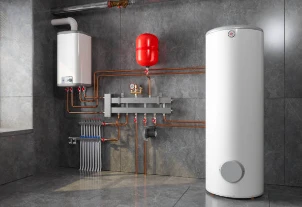
A heat-only boiler, also known as a regular or conventional boiler, operates alongside a separate hot water storage cylinder. It heats water and then stores it until needed for taps or central heating.
What is a Combi Boiler?
On the other hand, a combi (combination) boiler combines heating and hot water functions in one unit. It heats water directly from the mains when needed, eliminating the need for a separate cylinder and providing hot water on demand.
Reasons for Conversion
Efficiency
Combi boilers are renowned for their energy efficiency since they heat water only when required. This can lead to lower energy bills and reduced carbon emissions.
Space Saving
With no need for a hot water cylinder, combi boilers are ideal for properties with limited space, such as apartments or small houses.
Hot Water on Demand
Combi boilers provide instant hot water, eliminating the wait time associated with heat-only systems and ensuring a constant supply, perfect for busy households.
Things to Consider Before Conversion
Existing System Evaluation
Before converting, assess your current heating system to determine compatibility with a combi boiler and identify any necessary adjustments.
Plumbing and Heating System Assessment
Ensure that your property\'s plumbing and heating systems are suitable for a combi boiler installation, considering factors like pipe sizing and water pressure.
Budget and Cost Considerations
Evaluate the upfront costs of conversion, including the price of the new boiler, installation fees, and any additional plumbing work required.
Conversion Process
Removal of Old Boiler
The first step involves removing the existing heat-only boiler and hot water cylinder, making space for the new combi boiler.
Installation of Combi Boiler
Qualified professionals will install the combi boiler, connecting it to the existing heating system and ensuring proper functionality.
System Flushing and Testing
Once installed, the system will be flushed to remove debris and tested to verify that it operates efficiently and safely.
Benefits of Heat-Only to Combi Conversion
Improved Energy Efficiency
Combi boilers can significantly reduce energy consumption compared to traditional heat-only systems, leading to long-term savings.
Enhanced Convenience
Enjoy hot water on demand without the need for a separate cylinder, providing greater convenience and flexibility.
Space Optimization
Free up valuable space in your home by eliminating the need for a bulky hot water cylinder, ideal for properties with limited room.
Potential Challenges and Solutions
System Compatibility Issues
In some cases, existing heating systems may not be compatible with combi boilers, requiring additional modifications or alternative solutions.
Pipework and Radiator Adjustments
Depending on your property\'s layout, adjustments to pipework or radiator placement may be necessary to accommodate the new boiler.
Maintenance Tips for Combi Boilers
Regular Servicing
Ensure your combi boiler receives regular servicing to maintain optimal performance and prolong its lifespan.
Monitoring Pressure and Water Quality
Keep an eye on boiler pressure and water quality to prevent issues such as leaks or limescale buildup, addressing any issues promptly.
Conclusion
Converting from a heat-only to a combi boiler offers numerous benefits, including improved energy efficiency, space optimization, and greater convenience. By understanding the conversion process and considering key factors beforehand, homeowners can make informed decisions to upgrade their heating systems effectively.




Sign in to leave a comment.