

Heatwave conditions can damage your skin, causing sunburn, acne, and pigmentation. This guide shares dermatologist-approved tips, daily routines, and mistakes to avoid for healthy, protected skin in extreme heat.
Why Extreme Heat is Harmful for Your Skin
With temperatures rising above 40°C across North India, your skin faces constant stress. Heatwaves don’t just cause dehydration — they directly damage your skin barrier. Intense UV rays break down collagen, leading to premature aging and pigmentation, while excessive sweating traps dirt and bacteria, triggering acne and heat rashes .

Indoor factors like air conditioning can further dry out your skin, making it dull and sensitive. Without proper care, even a few days of extreme heat can undo months of skincare efforts.
Essential Skin Care Habits During Heatwave
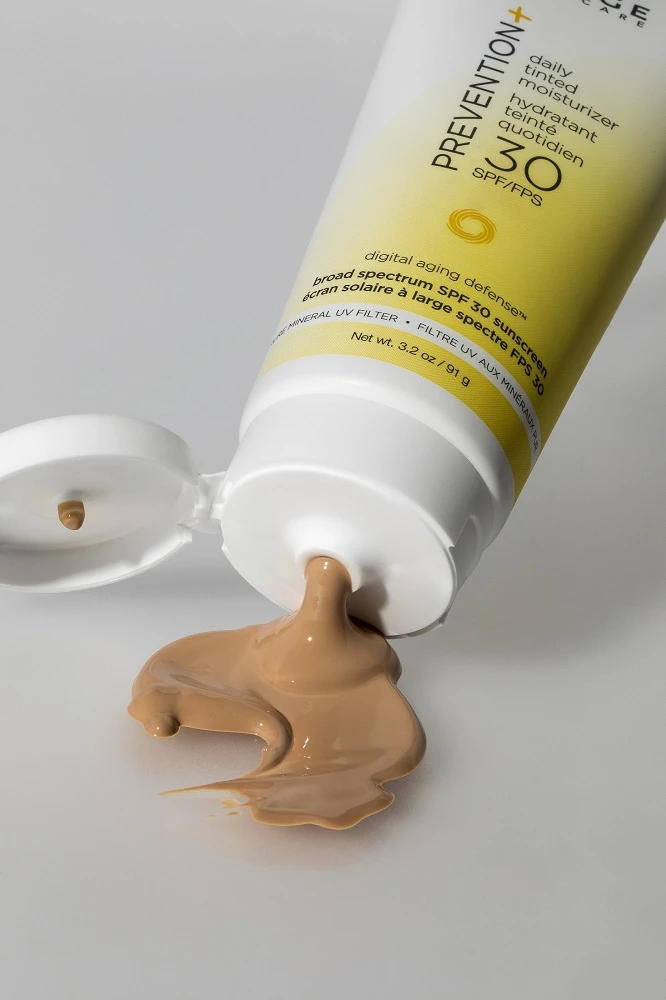
1. Never Skip Sunscreen
Sunscreen is your strongest defense against sun damage.
- Use SPF 50+ with PA++++ protection
- Apply 20 minutes before stepping out
- Reapply every 2–3 hours
Consistent sunscreen use helps prevent tanning, pigmentation, and early aging.
2. Stay Hydrated Inside and Out
Hydration plays a major role in maintaining healthy skin.
- Drink 3–4 liters of water daily
- Include cooling drinks like coconut water and lemon water
- Use lightweight, gel-based moisturizers
Proper hydration keeps your skin plump, fresh, and less prone to irritation.
3. Cleanse Gently but Regularly
Sweat and pollution clog pores quickly in hot weather.
- Wash your face twice daily
- Use a gentle, oil-free cleanser
- Avoid harsh scrubbing
This helps prevent acne and keeps your skin clean without damaging its barrier.
4. Choose the Right Skincare Products
Switch to products suitable for summer conditions:
- Gel-based, non-comedogenic moisturizers
- Ingredients like aloe vera, hyaluronic acid, and niacinamide
- Avoid heavy oils and thick creams
Lightweight products allow your skin to breathe and reduce breakouts.
Common Mistakes to Avoid
Avoid Peak Sun Hours
Try not to step out between 12 PM and 4 PM when UV radiation is strongest.
Don’t Use Hot Water
Hot water strips natural oils, making your skin dry and irritated. Always use cool or lukewarm water.
Avoid Heavy Oils & Over-Exfoliation
Thick oils clog pores, while excessive exfoliation damages already sensitive skin.
Don’t Ignore Warning Signs
Symptoms like redness, itching, sudden acne, or pigmentation should not be ignored, as they may worsen without proper care .
Simple Daily Routine for Healthy Summer Skin
Morning: Cleanser → Moisturizer → Sunscreen
Daytime: Reapply sunscreen + stay hydrated
Evening: Cleanse → Repair serum → Light moisturizer
Consistency is key to protecting your skin during extreme weather.
Final Thoughts
Heatwaves can seriously impact your skin, but the damage is largely preventable with the right habits. Protecting your skin doesn’t require complicated routines — just smart, consistent care.
Book Your Consultation
If you’re experiencing sunburn, heat rash, acne flare-ups, or sudden pigmentation, it’s best to seek expert advice early.
At Dr. Asma M.D — Skin & Hair Clinic, Lucknow, personalized treatments are designed to protect and restore your skin during extreme weather conditions.
Consult today and keep your skin healthy, protected, and glowing — even in extreme heat.
Frequently Asked Questions
What are the main skin issues caused by heatwaves?
Heatwaves can lead to several skin problems, including sunburn, acne, and pigmentation issues. The intense UV rays and excessive sweating can damage your skin barrier and exacerbate conditions like heat rashes.
How can I protect my skin during a heatwave?
To protect your skin during a heatwave, it's essential to use sunscreen with SPF 50+, stay hydrated, and cleanse your skin gently but regularly. Incorporating lightweight, gel-based moisturizers can also help keep your skin healthy and reduce breakouts.
Is it necessary to reapply sunscreen during a heatwave?
Yes, reapplying sunscreen every 2–3 hours is crucial, especially during a heatwave. This helps maintain effective protection against UV radiation and prevents sun damage, tanning, and premature aging.
What should I avoid doing for my skin during extreme heat?
You should avoid stepping out during peak sun hours (12 PM to 4 PM), using hot water for cleansing, and applying heavy oils or over-exfoliating your skin. Ignoring warning signs like redness or sudden acne can worsen skin conditions.
How much water should I drink to keep my skin hydrated in hot weather?
It's recommended to drink 3–4 liters of water daily to keep your skin hydrated during hot weather. Additionally, incorporating cooling drinks like coconut water or lemon water can further enhance hydration.
What are the best types of skincare products to use in summer?
In summer, opt for gel-based, non-comedogenic moisturizers that contain ingredients like aloe vera, hyaluronic acid, and niacinamide. These lightweight products allow your skin to breathe and help prevent breakouts.
When should I seek professional help for my skin during a heatwave?
If you experience severe sunburn, heat rashes, acne flare-ups, or sudden pigmentation changes, it's best to seek professional help promptly. Early consultation can provide personalized treatments to protect and restore your skin.





















Sign in to leave a comment.