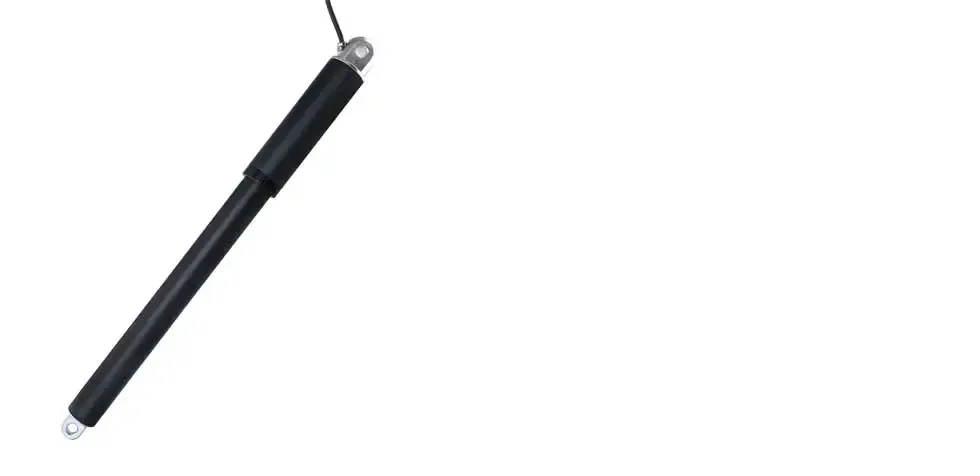
A heavy duty linear actuator is a robust and powerful device designed for industrial automation and machinery applications. With durable construction, heavy duty electric actuator provides high force output and accurate positioning. Customizable stroke length and mounting options allow for tailored solutions. Ideal for heavy-duty tasks requiring reliable linear motion.
Types of Heavy Duty Linear Actuator
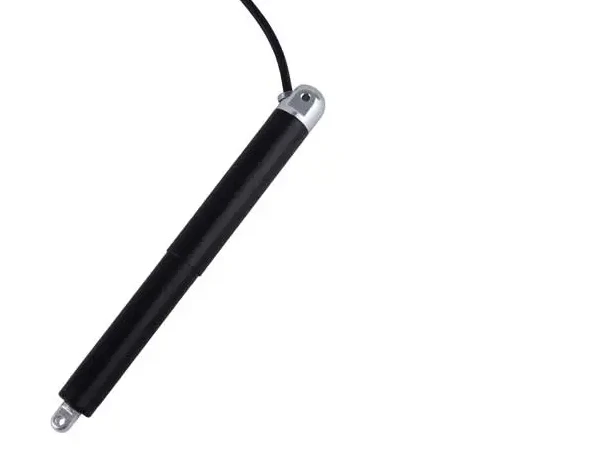
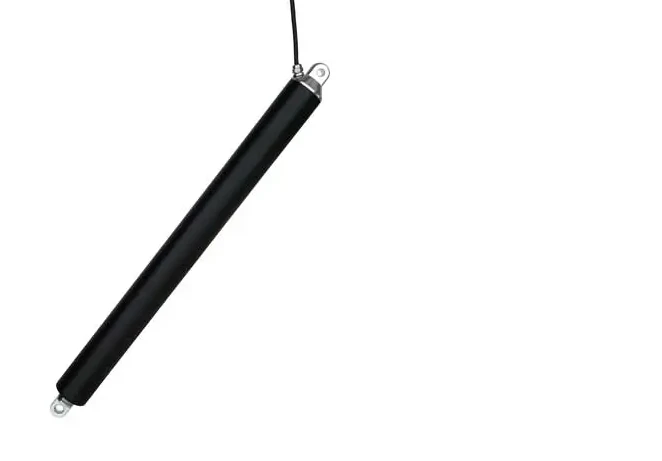
DDTG-53 Micro Tubular Linear Actuator
The DDTG-53 Micro Tubular Linear Actuator is a compact and high-performance linear actuator designed for precise and powerful movement. With a diameter of 53mm and a maximum force output of 200N, it offers smooth and reliable motion control. Ideal for tight spaces and applications that require high accuracy.
DDTG-55M Heavy Duty Tubular Linear Actuator
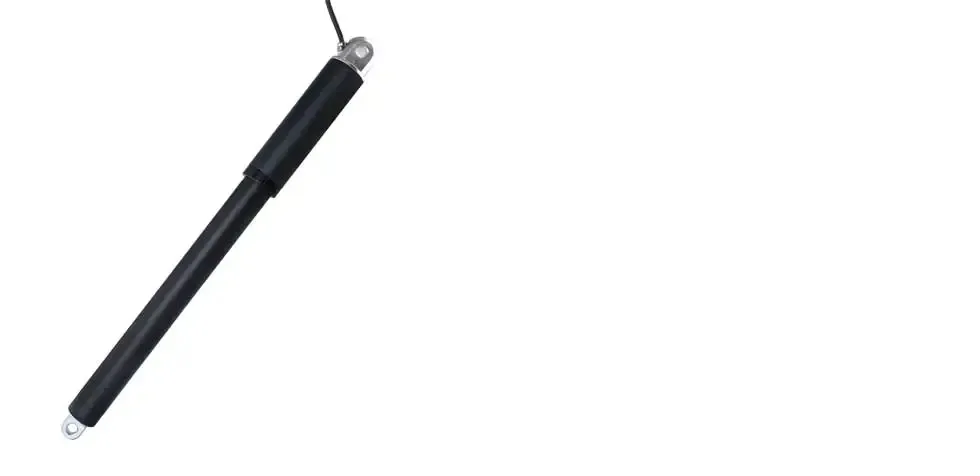
The DDTG-55M heavy duty linear actuator 12v is a robust and powerful linear actuator designed for heavy-duty applications. With a strong and durable construction, it offers precise and reliable linear motion for demanding tasks.
Key Features of Heavy Duty Linear Actuators
High Load Capacity: Heavy-duty linear actuators are specifically designed to handle significant loads. They are built with sturdy and durable materials, such as high-quality metals, to ensure they can withstand and operate effectively under heavy loads.
Robust Construction: These actuators feature a strong and robust construction, typically with reinforced housing and components. This allows them to endure the rigors of demanding environments, including industrial settings, without compromising performance or durability.
Precise and Accurate Movement: Heavy-duty linear actuators provide precise and accurate movement control. They are equipped with advanced mechanisms, such as ball screws, to ensure smooth and consistent linear motion. This level of precision is crucial for tasks that require accurate positioning and control.
Optional Features and Customization: These actuators often offer a range of optional features to meet specific application requirements. This includes choices like integrated feedback sensors for position monitoring, built-in limit switches for end-point detection, and various stroke lengths for different movement ranges.
Wide Range of Applications: Heavy-duty linear actuators find applications in various industries, such as manufacturing, automation, and automotive. They are suitable for tasks that involve heavy lifting, pushing, pulling, or positioning, making them an essential component in many industrial and commercial processes.
How to Choose the Right Heavy Duty Linear Actuator for Your Application
Load Capacity: Consider the maximum load your application requires the linear actuator to handle. Ensure that the actuator's load capacity is sufficient to support your specific load requirements. It's crucial to leave some margin for safety and account for dynamic loads.
Stroke Length: Determine the necessary linear travel distance for your application. Choose an heavy duty electric actuator with a stroke length that can accommodate this distance while leaving room for any necessary adjustments or variations in movement.
Speed and Force: Evaluate the desired speed and force requirements for your application. Heavy-duty linear actuators typically offer a range of speed and force options. Select an actuator that can deliver the required speed and force without compromising accuracy or efficiency.
Environmental Considerations: Assess the environmental conditions in your application area. Factors such as temperature, humidity, dust, and exposure to chemicals can impact the actuator's performance and lifespan. Choose an actuator with appropriate sealing, protective coatings, or specialized features to withstand these environmental factors.
Mounting and Integration: Consider how the actuator will be mounted and integrated into your system. Look for compatibility with your existing mounting brackets, end fittings, and control interfaces. Consider factors such as installation space requirements, power source compatibility, and the need for additional accessories or customization options.

























Sign in to leave a comment.