

Heavy machinery plays an essential role in construction, infrastructure development, industrial operations, and oilfield projects. Excavators, loaders, cranes, compressors, and other heavy-duty machines operate under demanding conditions, often for extended periods. Continuous use, harsh working environments, and mechanical wear can gradually affect performance, making professional Heavy Equipment Overhauling Services an important part of equipment maintenance and management.
Overhauling involves a detailed inspection of machinery, dismantling major components, repairing or replacing worn parts, and restoring systems to proper working condition. Azaiba United provides equipment-related services that support engine rebuilding, component restoration, and mechanical performance. Timely overhauling can help extend machinery service life, improve operational reliability, and reduce unexpected downtime.
Understanding the Importance of Heavy Equipment Repair
Heavy equipment consists of interconnected mechanical, hydraulic, electrical and engine systems. A fault in one component can affect the performance of the entire machine. For example, a hydraulic problem may reduce lifting capacity, while engine overheating can interrupt work and potentially damage internal components.
Professional repair services focus on identifying the underlying cause of a problem rather than simply addressing visible symptoms. A detailed inspection allows technicians to determine the condition of affected components and recommend suitable repairs.
Equipment repair is particularly important for businesses that depend on machinery for daily operations. Delayed maintenance may lead to higher repair costs, longer periods of downtime and additional pressure on project schedules.
Common Heavy Equipment Problems That Require Attention
Different machines experience different types of wear depending on workload, operating environment and maintenance history. Recognising early warning signs can help equipment operators arrange inspections before minor faults become more serious.
Common issues include:
- Engine performance problems: Reduced power, unusual noises, excessive smoke and overheating may indicate the need for engine inspection or repair.
- Hydraulic system failures: Fluid leaks, slow movements and reduced lifting strength can result from damaged cylinders, pumps, hoses or seals.
- Transmission and drivetrain faults: Difficulty changing gears, unusual vibrations and reduced movement may indicate worn or damaged components.
- Electrical system issues: Starting difficulties, faulty sensors and wiring problems can affect machine operation.
- Undercarriage wear: Damaged tracks, rollers and related components can affect stability, movement and operating efficiency.
- Cooling system faults: Blocked radiators, coolant leaks and ineffective cooling can increase the risk of engine damage.
A professional assessment helps establish which components require repair, replacement or further testing.
Key Services Involved in Heavy Equipment Repair
Reliable Heavy Equipment Repair Oman services may involve several technical disciplines, depending on the machine and the nature of the fault. Each repair should be based on equipment condition, manufacturer specifications and operational requirements.
Engine Rebuilding and Overhauling
Engines are among the most important components of heavy machinery. Prolonged operation, inadequate lubrication and excessive heat can contribute to internal wear and reduced performance.
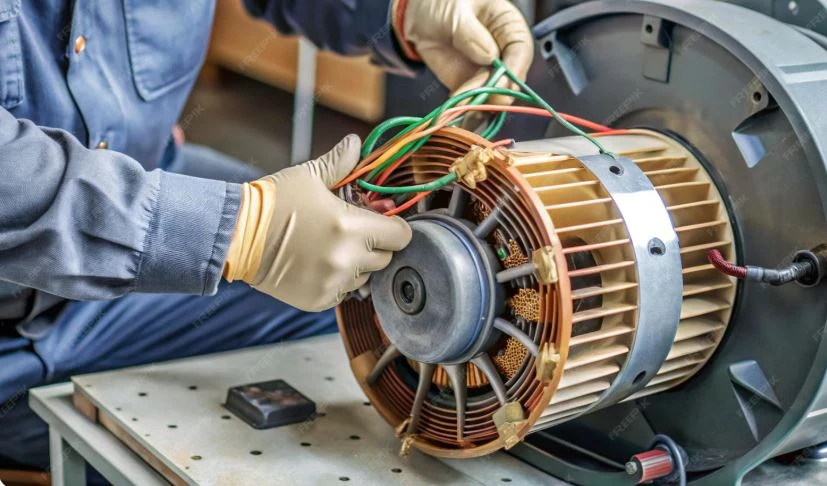
Engine rebuilding may involve dismantling the engine, inspecting internal components, machining damaged surfaces, replacing worn parts and reassembling the unit. Testing after the repair helps verify whether the engine performs as expected.
Azaiba United's service division covers engine rebuilding, troubleshooting and equipment refurbishment for different applications and engine types.
Hydraulic, Transmission and Undercarriage Repairs
Hydraulic systems support lifting, digging, steering and other essential machine functions. Hydraulic pumps, cylinders and associated components must operate correctly to maintain machine efficiency.
Transmission and undercarriage repairs are equally important because these systems influence movement, power delivery and stability. Inspections can identify worn parts, fluid leaks, damaged seals and mechanical misalignment before they cause further problems.
Electrical and Fuel System Maintenance
Modern heavy equipment relies on electrical controls, sensors, wiring and fuel delivery systems. Faults in these areas can cause inconsistent performance, starting problems or unexpected shutdowns.
Technicians may examine electrical connections, test relevant components, inspect fuel injection systems and calibrate fuel pumps where required. Accurate troubleshooting helps prevent unnecessary component replacements and supports dependable operation.
Equipment Refurbishment and Component Machining
When machinery experiences extensive wear, replacing the entire unit may not be the only practical option. Refurbishment can involve dismantling equipment, repairing damaged components, restoring assemblies and repainting the machine where necessary.
Azaiba United also provides engineering and machining services, including precision component work, hydraulic pressure testing, fabrication and repairs to heavy earthmoving equipment components. These capabilities can support repair projects that require more than routine maintenance.
The Role of Spare Parts in Equipment Reliability
The quality and suitability of replacement components can influence equipment performance, durability and maintenance costs. Parts must match the machine's specifications and be appropriate for the operating conditions.
Using unsuitable components may lead to premature wear, poor performance or repeated repairs. Before ordering replacement parts, technicians should confirm the equipment model, component specifications and the actual cause of failure.
Azaiba United's heavy equipment spare parts division supports the requirements of earthmoving equipment and diesel engines, including parts for various industrial applications. Coordinating parts selection with the repair process can help improve maintenance planning and reduce avoidable delays.
How Preventive Maintenance Reduces Downtime
Preventive maintenance involves inspecting and servicing machinery at planned intervals instead of waiting for a failure. A structured maintenance programme helps operators identify wear early and make informed decisions about repair schedules.
Useful maintenance practices include:
- Inspecting hydraulic hoses, connections and cylinders for leaks.
- Checking engine oil, coolant and other essential fluid levels.
- Cleaning radiators and monitoring operating temperatures.
- Examining belts, filters, electrical connections and warning indicators.
- Following manufacturer-recommended service intervals.
- Keeping maintenance records and documenting recurring faults.
- Training operators to recognise abnormal sounds, vibrations and performance changes.
Maintenance schedules should reflect the equipment type, operating hours, workload and environmental conditions. Machines used continuously in demanding applications may require more frequent inspections than equipment operating under lighter conditions.
Managing Equipment Requirements Across Industrial Projects
Construction companies, contractors and industrial operators may need different types of machinery at different stages of a project. Repair planning should therefore consider equipment availability, project timelines and the consequences of downtime.
For short-term requirements or periods when owned equipment is unavailable, Azaiba Heights International's equipment rental services offer options that include power generators, air compressors, welding sets, light towers and dewatering pumps.
Access to suitable rental equipment can help businesses maintain operational continuity while machinery undergoes repair or refurbishment. The appropriate option depends on project duration, equipment specifications and site requirements.
Choosing a Suitable Heavy Equipment Repair Provider
Selecting a repair provider requires more than comparing service prices. Businesses should consider technical experience, workshop facilities, diagnostic capabilities, parts availability and the ability to handle the equipment involved.
Important factors include:
- Experience with the relevant machinery and engine types.
- Access to suitable testing, machining and repair facilities.
- Clear explanations of identified faults and recommended work.
- Availability of appropriate replacement parts.
- Repair timelines that reflect the scope of work.
- Documented testing and applicable warranty terms.
Azaiba United, established in 1993, works across heavy equipment repair, engine rebuilding, refurbishment, engineering and spare parts. Its workshop capabilities include work on engines, transmissions, hydraulic systems and driveline components. This range of technical services supports different equipment maintenance and repair requirements.
The most suitable repair approach will depend on the machine's condition, the extent of component wear and the operational demands placed on it.
FAQs
1. What does heavy equipment repair include?
Heavy equipment repair can include engine rebuilding, hydraulic system repairs, transmission servicing, electrical troubleshooting, fuel system maintenance, undercarriage repairs and complete machinery refurbishment. The required work depends on inspection findings and the equipment's condition.
2. When should heavy machinery be repaired?
Machinery should be inspected when operators notice unusual noises, fluid leaks, overheating, reduced power, excessive vibration or inconsistent performance. Following scheduled maintenance intervals also helps identify developing faults before they cause major failures.
3. Is equipment refurbishment a practical alternative to replacement?
Refurbishment can be a practical option when the main structure and major assemblies remain suitable for restoration. A technical assessment is necessary to compare repair costs, expected service life, replacement expenses and operational requirements.
4. Why are genuine or specification-compatible spare parts important?
Suitable spare parts help maintain component compatibility, operating performance and durability. Parts should be selected according to manufacturer specifications and the equipment's requirements rather than price alone.
5. How can businesses reduce heavy equipment downtime?
Regular inspections, preventive maintenance, timely repairs, appropriate spare parts and trained operators can help reduce unexpected downtime. Keeping accurate maintenance records also makes it easier to identify recurring problems and plan future servicing.
Discuss Your Heavy Equipment Repair Requirements
Reliable machinery is essential for maintaining project schedules and efficient industrial operations. Timely inspections, technically appropriate repairs and preventive maintenance can help businesses manage equipment costs and extend the useful life of assets.
If your machinery requires troubleshooting, engine overhauling, hydraulic repairs or refurbishment, get in touch with Azaiba United to discuss the equipment involved, the issues identified and the repair options suited to your operational requirements.



























Sign in to leave a comment.