

Communication is an important part of early childhood development. From their first sounds and gestures to conversations and storytelling, children gradually learn how to express their thoughts, understand others and interact with the world around them.
Play provides a natural way for young children to practise these skills. Through imaginative games, building activities, storytelling, music and group experiences, children have opportunities to listen, speak, ask questions and share ideas.
Parents and early childhood educators can support communication development by creating enjoyable experiences where children feel comfortable expressing themselves. These everyday interactions help build language skills, confidence and positive relationships.
Why Communication Skills Matter in Early Childhood
Communication involves more than speaking. It includes listening, understanding instructions, using gestures, recognising facial expressions and responding to other people.
During the early years, children develop these abilities through regular interactions with parents, educators and other children. Strong communication skills help them express their needs, share experiences and participate in group activities.
Children who have opportunities to communicate during play can gradually become more confident when talking to others. They also begin to understand that conversations involve listening, taking turns and responding appropriately.
These abilities support social relationships, emotional development and future learning.
Developing Language Through Imaginative Play
Imaginative play allows children to create stories, explore different roles and communicate their ideas. Activities such as pretending to run a shop, caring for toy animals or preparing an imaginary meal encourage children to use language in meaningful situations.
For example, children playing a pretend café may take turns being customers and staff. They might ask questions, describe food, make requests and respond to one another.
These simple interactions introduce new vocabulary and encourage children to form sentences. They also provide opportunities to practise everyday conversations in a relaxed environment.
Parents and educators can support imaginative play by providing simple props and allowing children to guide the activity. Asking open-ended questions can encourage them to explain their ideas and develop the story further.
Encouraging Conversations Through Building Activities
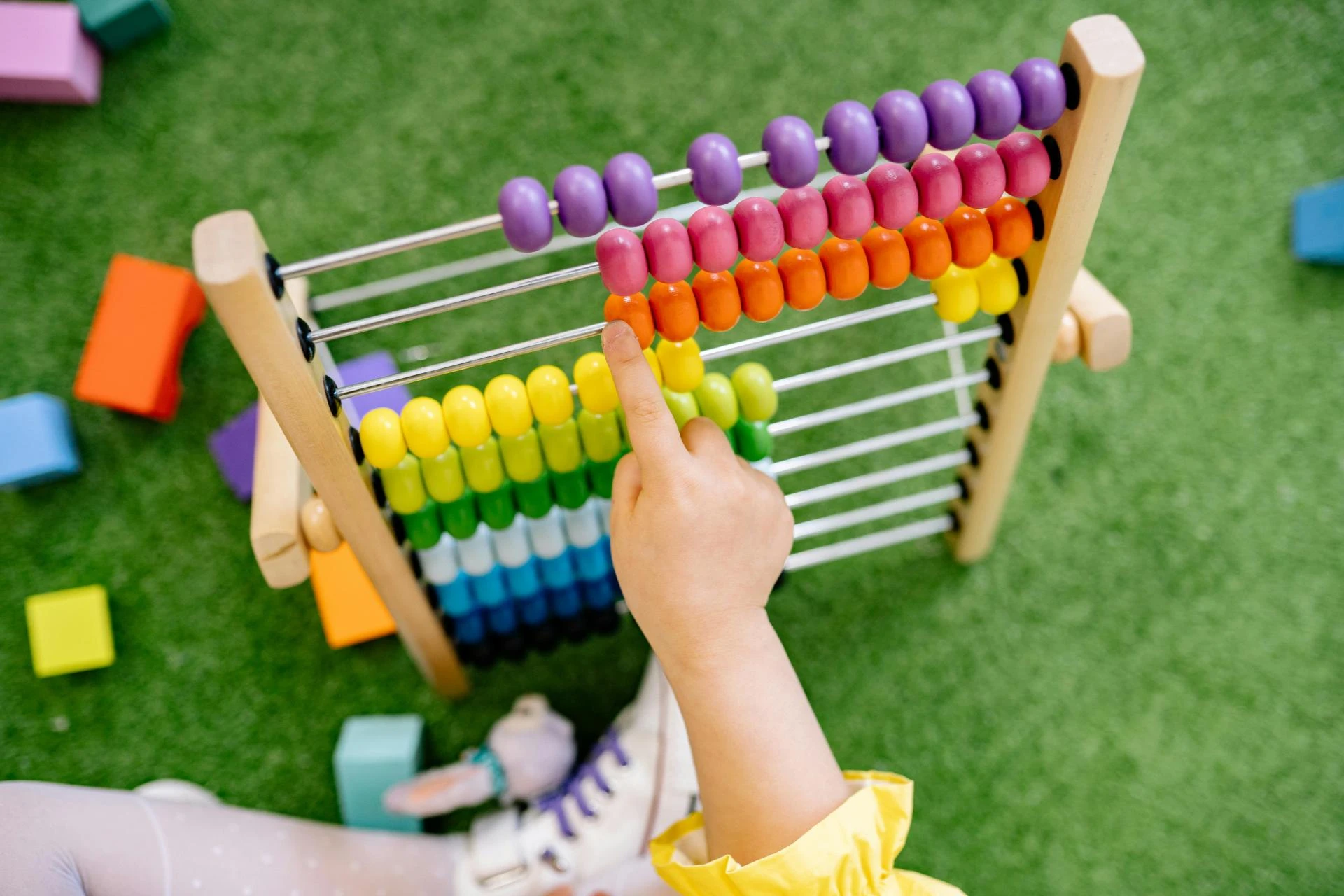
Building with blocks, construction toys and other materials can create valuable opportunities for communication. Children may need to describe what they want to build, explain their ideas or ask someone to help them find a particular piece.
When children work together, they learn to share suggestions and listen to different opinions. They may discuss how to make a tower taller, create a bridge or solve a problem when a structure falls.
These experiences support vocabulary, problem-solving and cooperation. They also help children understand how communication can be used to achieve a shared goal.
Educators can encourage discussion by asking children to describe their creations and explain how they made them.
Supporting Listening Skills Through Games
Listening is an essential part of effective communication. Children need opportunities to pay attention to sounds, understand instructions and respond to what others say.
Simple games can make listening practice enjoyable. Activities such as musical statues, follow-the-leader, sound identification and action songs encourage children to listen carefully and respond.
Story-based games can also help children remember information and follow a sequence of instructions. For example, an educator might ask children to find an object mentioned in a story or act out a particular event.
These activities should be suitable for children's ages and abilities. Repeating familiar games can help children become more comfortable while gradually introducing new challenges.
Building Vocabulary Through Storytelling
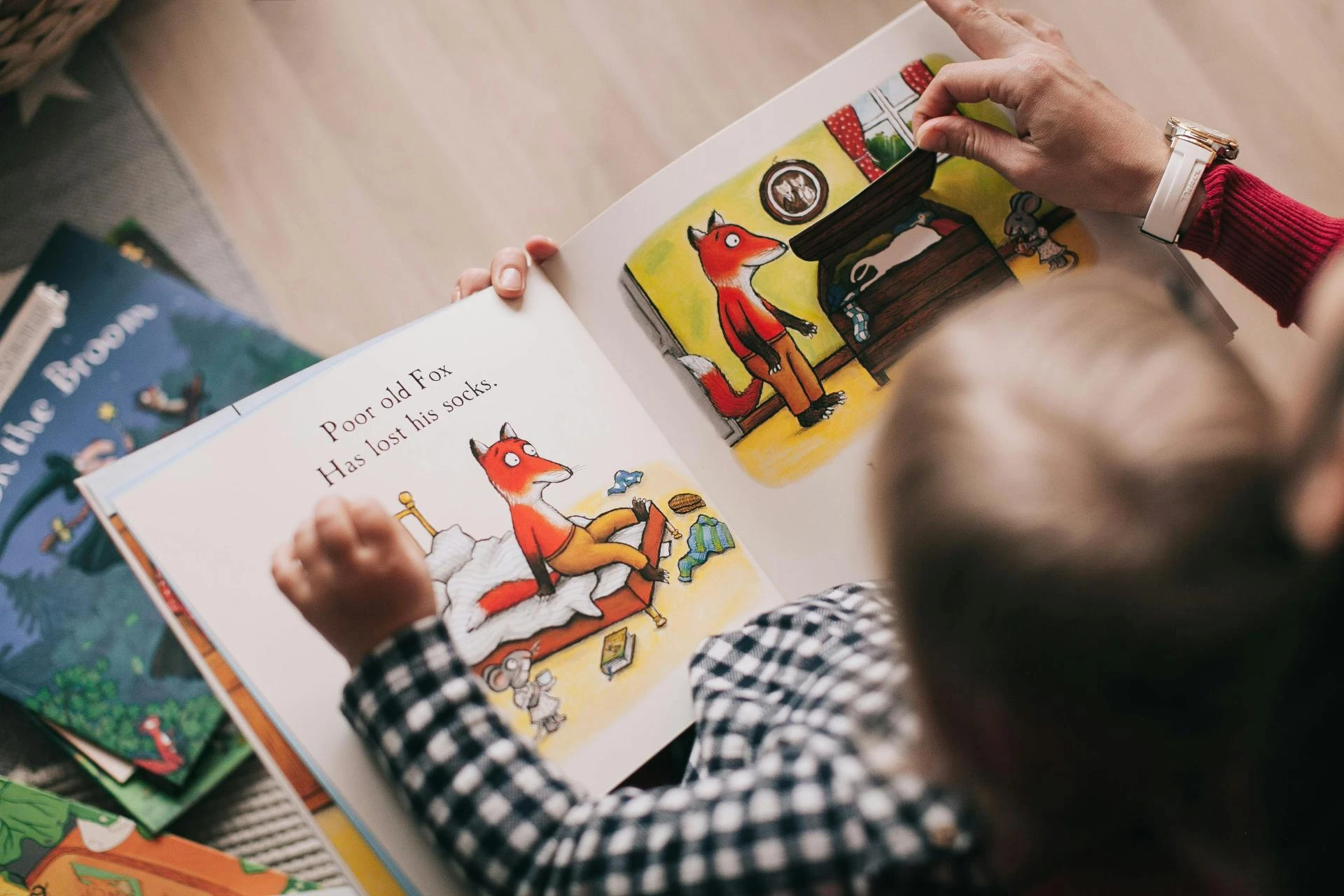
Storytelling introduces children to new words, sentence patterns and ways of expressing ideas. Picture books, rhymes and familiar stories can help children connect spoken language with images and experiences.
During shared reading, adults can pause to discuss pictures, name objects and encourage children to describe what they notice. Children may also enjoy predicting what happens next or creating their own endings.
Retelling a familiar story is another useful activity. It encourages children to remember events, organise their thoughts and use words to communicate a sequence.
A supportive family day care Lyndhurst environment can provide opportunities for children to participate in storytelling, conversations and shared activities that encourage language development.
Learning Communication Through Music and Movement
Music and movement activities help children explore sounds, rhythm and language. Singing familiar songs, repeating rhymes, clapping patterns and dancing to instructions can encourage listening and verbal participation.
Songs with repeated phrases are particularly useful because children can gradually become familiar with the words and join in when they feel comfortable.
Movement games can also introduce action words such as jump, turn, clap, stretch and march. Children learn to connect words with actions while developing their ability to follow instructions.
Parents and educators can make music part of everyday routines by singing during playtime, using simple instruments or creating short action songs together.
Developing Social Communication Through Group Play
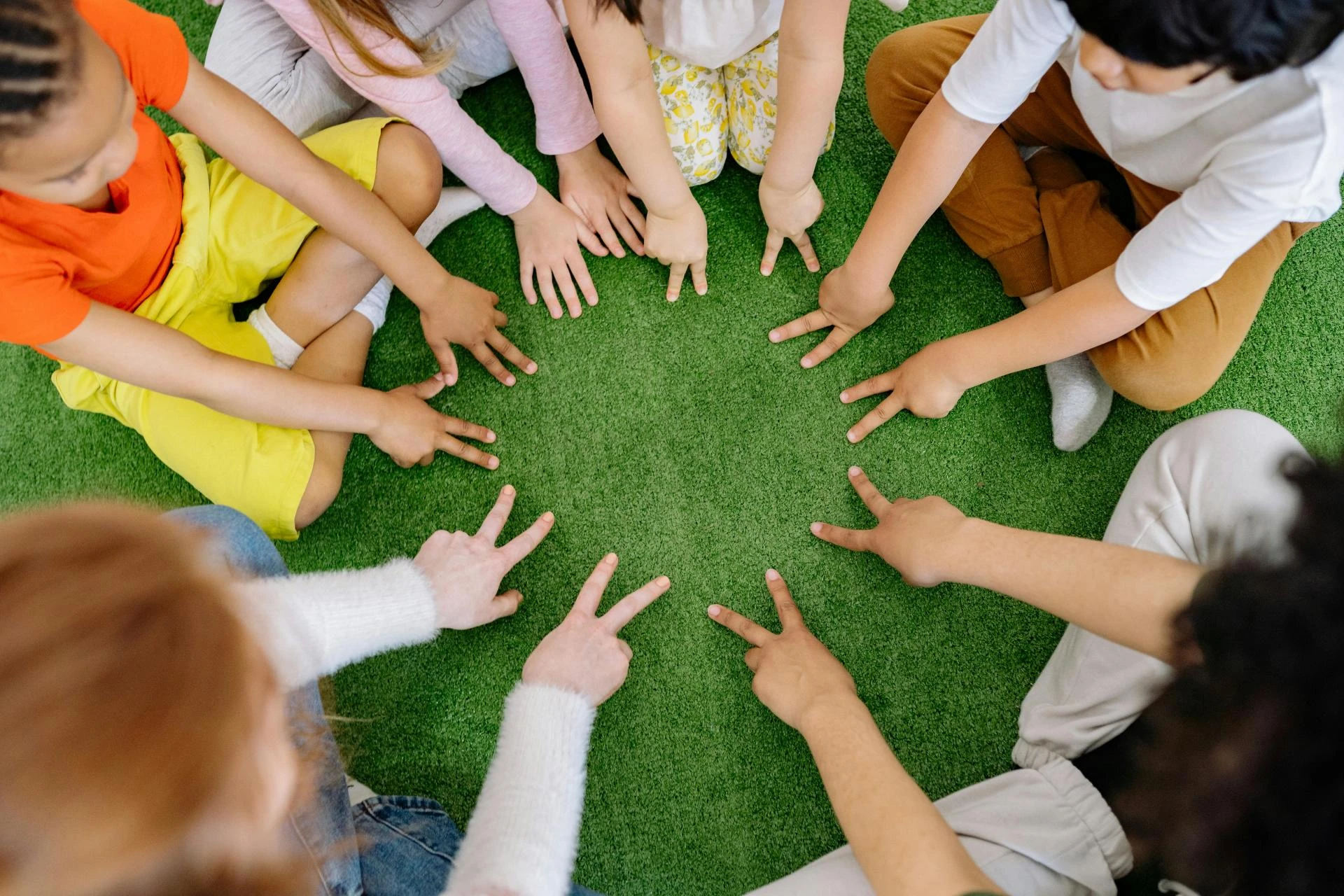
Playing with other children provides opportunities to practise communication in real-life situations. Children learn to ask for toys, share materials, express preferences and respond to their peers.
Group activities such as puzzles, drawing, board games and outdoor play encourage children to communicate while working towards a common goal.
They may need to explain their ideas, wait for another child to finish speaking or find ways to resolve a disagreement. These experiences help develop both verbal and non-verbal communication.
A family day care Hampton Park setting can offer opportunities for children to participate in shared play experiences and practise communication through everyday interactions.
Encouraging Children to Express Their Feelings
Communication also helps children explain how they feel. Young children may sometimes find it difficult to describe emotions such as frustration, excitement, disappointment or worry.
Play can provide a comfortable way to explore these feelings. Using dolls, puppets, drawings and pretend situations can help children talk about different emotions without feeling pressured.
Adults can introduce simple words such as happy, sad, worried and frustrated during everyday conversations. When children express their feelings, listening patiently and responding calmly can help them feel understood.
Encouraging children to use words when asking for help or explaining a problem can gradually strengthen their confidence and emotional communication.
The Role of Educators in Supporting Communication
Early childhood educators support communication by creating opportunities for children to talk, listen, explore and interact. They can introduce activities that encourage language while responding to each child's interests and developmental stage.
Some children may communicate through gestures and short words, while others may enjoy longer conversations and storytelling. Educators can adapt their approach to provide suitable opportunities for every child to participate.
A nurturing child care centre Lyndhurst can incorporate conversations, songs, storytelling and play-based activities into everyday learning experiences.
Positive interactions are important. When educators listen carefully, respond to children's questions and encourage their ideas, children learn that their communication is valued.
Connecting Everyday Experiences With Language Learning
Communication development does not need to happen only during planned activities. Everyday experiences at home and in care settings provide many opportunities for children to practise language.
Cooking together can introduce words related to ingredients, actions and quantities. Gardening can encourage children to describe plants, colours and changes they observe. Getting dressed can provide opportunities to name clothing items and discuss different choices.
Parents can support these experiences by talking about what they are doing, introducing new words and allowing children to participate in conversations.
A family day care Officer environment can also include everyday learning experiences that encourage children to communicate, ask questions and share their observations.
Practical Ways Parents Can Encourage Communication at Home
Parents can support children's communication skills through simple activities that fit naturally into daily routines.
- Talk throughout the day: Describe everyday activities and encourage children to share their thoughts.
- Read together: Choose picture books and discuss the characters, objects and events.
- Play pretend games: Use toys and household objects to create imaginative situations.
- Sing songs and rhymes: Encourage children to repeat familiar words and sounds.
- Ask open-ended questions: Give children opportunities to explain their ideas rather than answering only yes or no.
- Listen patiently: Allow children enough time to express themselves without interrupting.
- Encourage group play: Provide opportunities to interact with siblings, friends and other children.
The aim is to make communication enjoyable rather than turning every interaction into a formal learning exercise.
Helping Children Become Confident Communicators
Play supports communication by giving children meaningful reasons to speak, listen, ask questions and interact with others. It helps them develop vocabulary, understand conversations, express feelings and build social relationships.
Parents and educators can strengthen these skills by providing positive interactions and opportunities for children to communicate in different ways. Every child develops at their own pace, so patience and encouragement are essential.
Through imaginative play, storytelling, music, group activities and everyday conversations, children can gradually become more confident communicators and develop important foundations for future learning.






















Sign in to leave a comment.