
The natural-wellness boom is surging into 2025, and two products dominate the conversation: hemp seed oil and CBD oil. Shoppers spot both on store shelves, yet many still wonder whether they’re the same, which one delivers the benefits they need, and how to tell quality products from hype.
If you’re a consumer, this guide will help you make informed choices. If you’re an entrepreneur in hemp, CBD, or the wider nutraceutical market, you’ll also learn why payment processing can be tricky—and how a high risk merchant account by Merchantech or a high risk merchant account at HighRiskPay.com can keep your checkout lanes open and compliant.
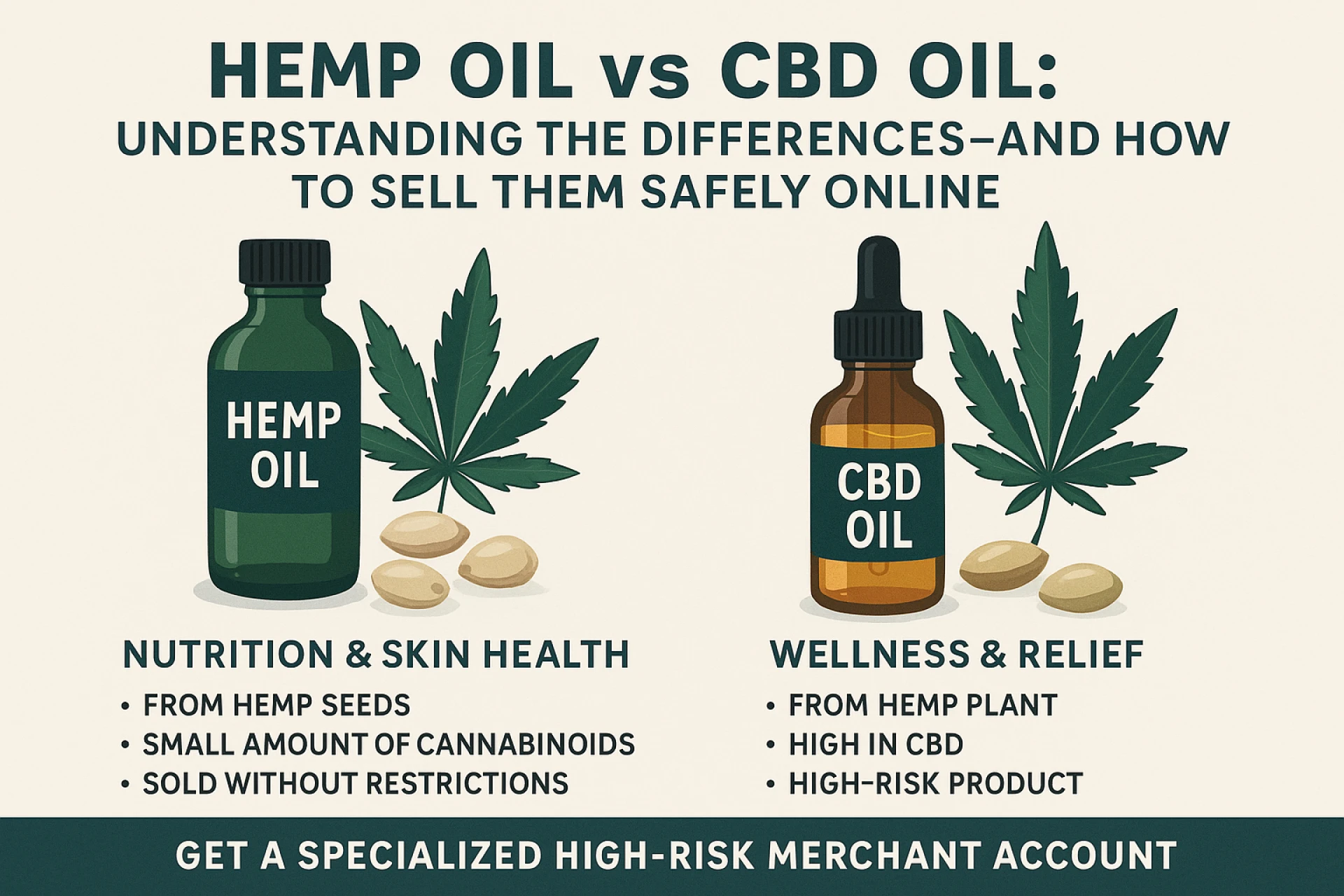
What Exactly Is Hemp Seed Oil?
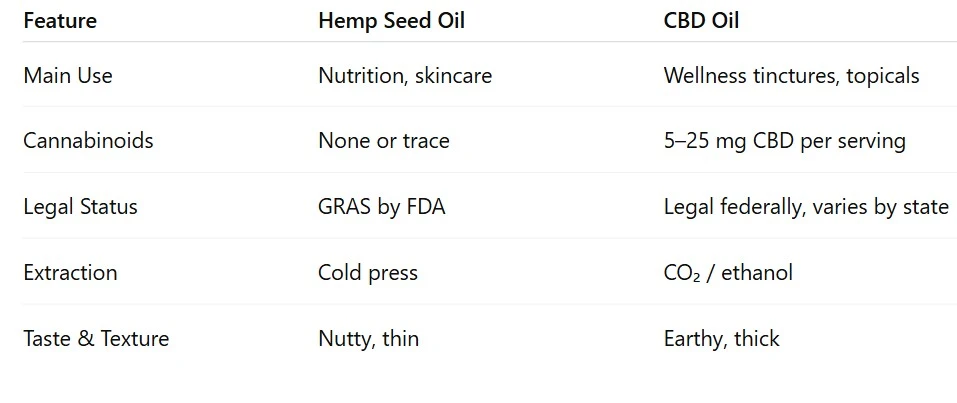
- Source: Cold-pressed from the seeds of the industrial hemp plant (Cannabis sativa L.).
- Cannabinoid content: Near-zero—hemp seeds naturally contain negligible CBD or THC.
- Primary benefits:
- Abundant omega-3 and omega-6 fatty acids in an ideal 3:1 ratio.
- Vitamin E and trace minerals that nourish skin and hair.
- A light, nutty flavor perfect for salad dressings and smoothies.
Because it’s classified as a food product, hemp seed oil generally skirts the stricter regulations placed on cannabinoid-rich extracts. It’s found in cooking oil blends, skin care, and dietary supplements.
What Makes CBD Oil Different?
Source: Extracted from the aerial parts (flowers, leaves, stalks) of hemp bred to contain THC levels below 0.3%.
Cannabinoid profile: Rich in cannabidiol (CBD) plus minor cannabinoids like CBG and CBN, and terpenes for the “entourage effect.”
Extraction methods: CO₂ or food-grade ethanol are industry standards.
Product types:
- Full-spectrum: Contains all cannabinoids, terpenes, and trace THC.
- Broad-spectrum: THC removed but retains other cannabinoids.
- Isolate: Pure CBD, 99%+ crystalline form.
CBD oil interacts with the endocannabinoid system, offering support for anxiety, sleep, inflammation, and mood. Its wellness appeal is backed by a rapidly growing body of research.
Hemp Oil vs CBD Oil at a Glance
Which One Should You Choose?
- For skin and nutrition: Hemp seed oil is ideal for boosting your omega intake and moisturizing dry skin.
- For relief from anxiety or pain: CBD oil’s ability to modulate pain and mood pathways makes it the better choice.
- For making your own wellness products: Use hemp seed oil as a carrier oil to dilute CBD isolate or full-spectrum extracts.
Consumers often mistakenly buy one thinking it’s the other. That’s why labeling and education are key—especially in online sales.
The Regulatory & Payment-Processing Puzzle
Even though hemp-derived CBD is federally legal under the 2018 Farm Bill, it remains in a regulatory gray area. The FDA does not currently approve CBD for dietary use, and individual states vary widely in their stance on labeling, concentration, and health claims.
Banks and payment processors view businesses in this space as high risk because of:
- Regulatory complexity
- High chargeback rates
- Fluctuating product legality across states
- Reputation risk and legal uncertainty
As a result, mainstream processors like Stripe, PayPal, and Square may freeze or even terminate accounts without warning.
To avoid business disruption, CBD brands rely on providers like a high risk merchant account by Merchantech or a high risk merchant account at HighRiskPay.com, who specialize in supporting industries with elevated regulatory scrutiny.
Merchantech vs HighRiskPay.com: A Quick Look for CBD Sellers
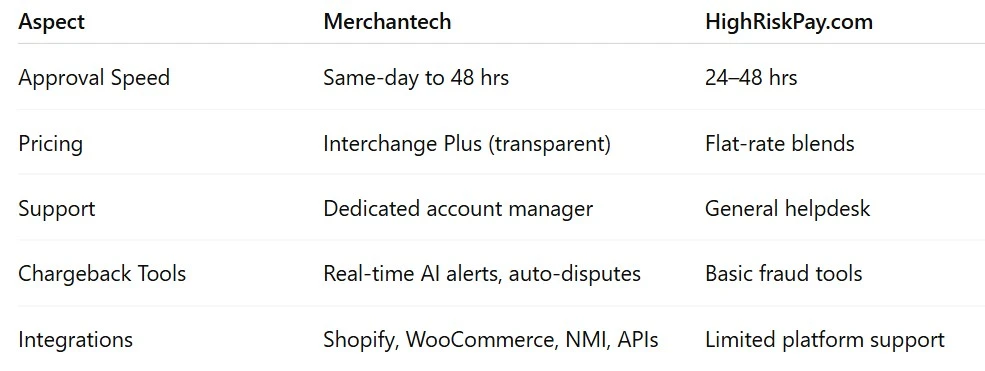
✅ Merchantech is a strong option for merchants who want personal guidance, detailed onboarding, and tailored pricing. Their tools are designed for growth—ideal if you sell full-spectrum products or ship nationwide.
✅ HighRiskPay.com remains a viable fallback if you're newly rejected or want faster onboarding. Their process is streamlined but lacks the niche-specific optimization offered by Merchantech.
Frequently Asked Questions (FAQs)
Q1: Can I legally sell both hemp oil and CBD oil on my website?
Yes, but labeling, dosage limits, and shipping rules vary by state. Always consult a compliance expert.
Q2: Do I need a special merchant account to sell CBD online?
Yes. Most traditional processors will decline CBD transactions. Choose a high risk merchant account by Merchantech or high risk merchant account at HighRiskPay.com for secure processing.
Q3: Can I advertise CBD on Facebook or Google?
Not directly. Workarounds include content marketing, whitelisting, and focusing ads on non-CBD products like hemp skincare.
Final Thoughts
Hemp oil and CBD oil share botanical origins, but they serve very different consumer needs—nutrition vs. wellness. As more people explore these natural remedies, education becomes key to trust, sales, and long-term business success.
Just as important as sourcing premium oils is choosing the right partner for payment processing. Whether you go with the industry-specific support of a high risk merchant account by Merchantech or the established compliance systems of a high risk merchant account at HighRiskPay.com, both offer the infrastructure you need to sell confidently.
The market for cannabinoids is growing. The question isn’t if to enter—but how prepared you’ll be.






















Sign in to leave a comment.