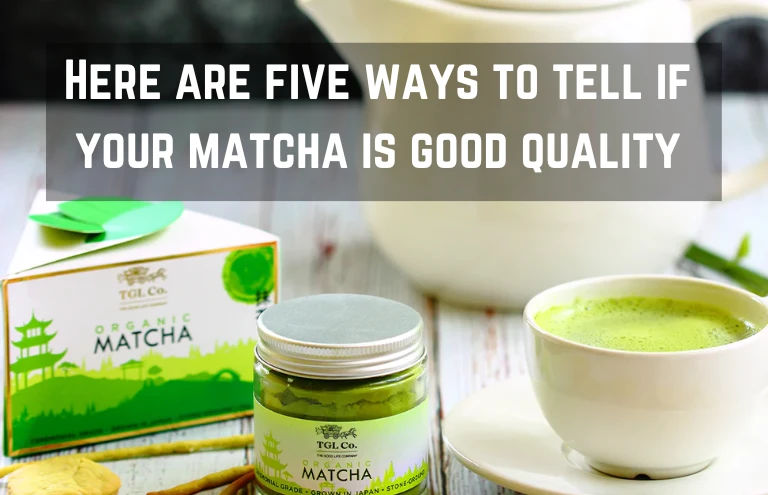

Matcha Green tea has become very popular in recent years because of its bright green colour, unique aroma, and potential health benefits. For these reasons, matcha has a distinct following among all other green teas. This finely ground green tea powder has long been a staple of Japanese tea ceremonies and is now well-known across the globe for its versatility and possible health benefits. However, not all matcha is created equal. The increasing demand for matcha has led to a wide range of matcha quality available on the market. How can you distinguish matcha of higher quality from that of lower quality? These five techniques will assist you in verifying that the matcha you are consuming is authentic.
Read out our matcha buying guide blog to know more:
The vivid hue:
The colour of matcha green tea powder is a good indicator of its quality. The finest matcha should be a vibrant, bright green colour. This is because the tea plants were meticulously shaded before being harvested. The unique green hue of matcha is due to increased chlorophyll production brought on by the plants' shadow. Dull or yellowish tones can suggest a lower quality; they can be a sign of older leaves or inadequate shading.
When matcha and hot water are combined during preparation, a rich, foamy, emerald-green mixture should be produced. Bad matcha often looks pale or dead and doesn't have a vivid green colour.
There are, however, certain exceptions. It is easy to give matcha an additional vivid colour by adding artificial colouring to their drinks, as done by some businesses in the tea industry. A premium quality natural matcha green tea might seem very dull in comparison.
Aroma and taste:
The aroma of premium matcha is characteristically green, vegetal, and somewhat sweet. When you open a container of quality matcha, you should be greeted by a pleasant scent that signals the tea is fresh. This smell has been created by careful cultivation, processing, and preservation.
A well-balanced and equally complex flavour is expected from matcha. It may have hints of sweetness and bitterness as well as umami. Poor cultivation conditions or improper processing methods might produce matcha that tastes overly bitter, astringent, or flat.
Fine-textured matcha is indicative of high quality:
Texture matters when it comes to matcha. Good matcha should feel almost talcum powder-fine to the touch. The fineness of the ground components significantly impacts how smooth the drink turns out. Lower-quality matcha could feel coarse or gritty, a sign of less skilled processing.
When whisked with water, superior matcha will dissolve easily and form a creamy, frothy layer on top. However, subpar matcha could not dissolve all the way through, leaving a gritty or scratchy texture.
Verify the matcha's origin as stated on the package:
The provenance of your matcha has a significant influence on its quality. Japan has a long history of growing and processing matcha; therefore, matcha green tea from there, especially from places like Uji, Nishio, Shizuoka, and Kyoto, is often considered the best. Japanese matcha tea is often grown under exacting conditions and produced using rigorous methods to ensure its excellence.
Before purchasing, please determine how the company sources its products and where the matcha is sourced. Reputable providers usually provide details about the specific tea farms and regions where their matcha is cultivated so that you may be assured of the matcha's quality and authenticity.
Cost and Packaging:
Price can provide some information on matcha quality, even though it shouldn't be the only consideration. High-quality matcha requires careful cultivation, processing, and packing, which may impact the price. Anything unusually cheap in matcha should be avoided since it may indicate lower quality or adulteration with other ingredients.
Furthermore, the matcha's packaging might reveal a lot about its quality. Matcha is sensitive to light, moisture, and air, so some of its flavour and colour may be lost. Premium matcha is sometimes packed in sealed, light-proof containers to preserve its freshness and other properties.
To sum up:
It's critical to carefully consider each matcha's colour, flavour, scent, texture, origin, cost, and packaging, which helps set premium matcha apart from lower-quality varieties. Even though finding the perfect matcha for your tastes may need some trial and error, keeping an eye on these factors will undoubtedly contribute to a more enjoyable and genuine matcha experience. Thus, the next time you prepare matcha, pause to appreciate its striking green hue, pleasant scent, and flavorful richness—all indications of its remarkable quality.
Remember that the quest for the perfect matcha cup is fantastic, full of learning and reverence for this age-old tea custom.
Discover the best tea blends in the world through TGL Co.- a luxurious tea firm that offers outstanding health, sophistication and freshness induced a cup of tea. TGL Co. provides an extensive range of loose-leaf tea, tea bags, and tea blends that will leave you feeling energised and excellent. This place offers a large selection of tea blends, both Indian and foreign, in addition to a wellness tea line. At TGL Co., buy matcha green tea online, Indian mixes, and flavoured instant coffee.









Sign in to leave a comment.