
1. ESD Workbenches:
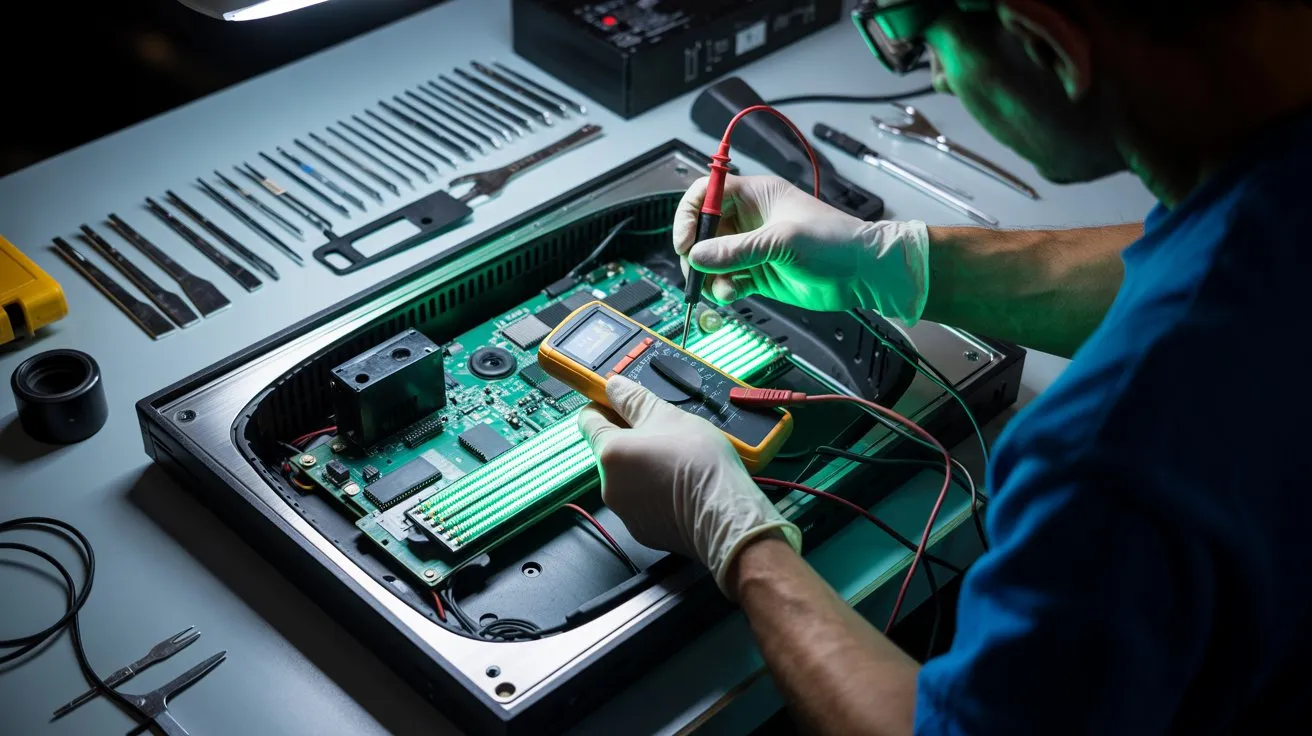
ESD workbenches are essential in environments where electronic assembly, testing, and repair take place. These workbenches have a static-dissipative or conductive work surface that allows static charges to dissipate safely. ESD workbenches often come with built-in grounding points to ensure proper grounding of equipment and components placed on the surface.
ESD chairs are designed with static-dissipative or conductive materials to prevent the buildup of static electricity when employees are seated. These chairs typically have a grounding chain or drag chain that connects the chair to the grounded ESD floor or workbench. This ensures that any static charge generated by the person using the chair is safely discharged to the ground.
3. ESD Storage Racks and Shelving Units:
ESD storage racks and shelving units are used to store ESD-sensitive components and equipment. These racks and shelves are made from conductive or static-dissipative materials to prevent static buildup on stored items. Proper grounding of the racks ensures that any charges are safely dissipated.
4. ESD Carts:
ESD carts are mobile units used to transport sensitive electronic components and devices within an ESD-protected environment. These carts are constructed from conductive or static-dissipative materials and are equipped with ESD-safe wheels and grounding chains to ensure proper grounding during movement.
5. ESD Mats:
ESD mats are placed on work surfaces to create a static-dissipative area for handling sensitive electronics. These mats provide a safe surface for assembling and testing electronic components, preventing static charges from accumulating and discharging onto the components. ESD mats are also designed to be grounded to the ESD floor or workbench.
6. ESD Flooring:
ESD flooring is a critical component of an ESD-safe environment. It is typically made from conductive or static-dissipative materials and provides a path for static charges to flow to ground. ESD flooring is essential for maintaining an equipotential balance across the workspace and preventing static buildup on personnel and equipment.
7. ESD Labels and Signage:
ESD labels and signage are used to identify ESD-sensitive areas, equipment, and materials. They serve as visual reminders for employees to follow proper ESD-safe practices and to handle sensitive electronics with care.
8. ESD Test Equipment:
ESD test equipment is used to verify the functionality and effectiveness of ESD control measures, such as grounding connections, wrist straps, and ESD flooring. Regular testing and calibration of ESD equipment ensure that the protection measures remain effective over time.
9. ESD Training and Compliance Programs:
Companies that handle sensitive electronics often implement ESD training programs for their employees. These programs educate personnel about the risks of electrostatic discharge and teach them proper ESD-safe practices to minimize the potential for damage to sensitive components.
Remember, implementing ESD-safe practices and using appropriate ESD furniture and equipment are crucial to maintaining the integrity of electronic components and preventing costly damage caused by electrostatic discharge. Regular audits and inspections are essential to ensure that the ESD protection measures remain effective and compliant with industry standards.

























Sign in to leave a comment.