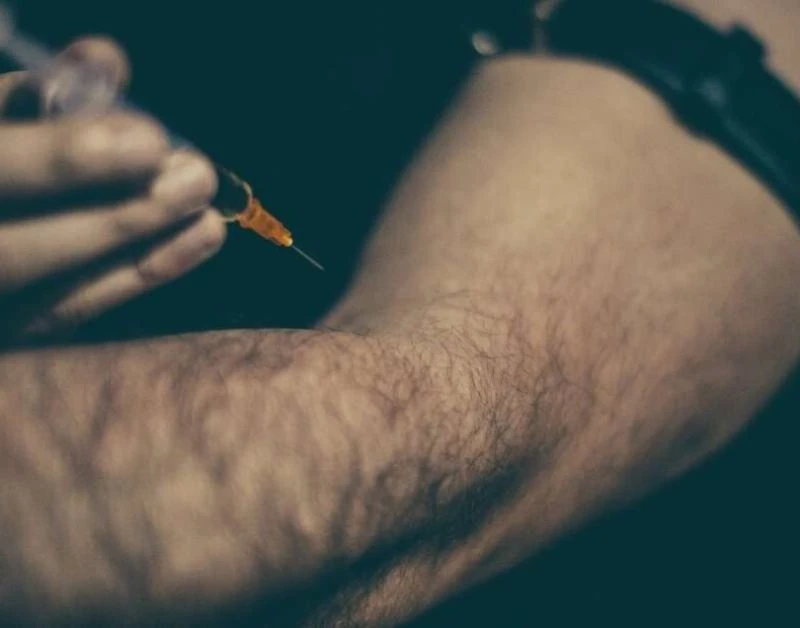

Introduction To Heroin Addiction
Heroin is a highly addictive drug that can lead to serious health problems, including overdose and death.
What Is Heroin?
Heroin is an opioid drug that’s derived from morphine, which is a naturally occurring substance extracted from the seed pod of certain varieties of poppy plants. It’s classified as a Schedule I controlled substance because it has no currently accepted medical use and a high potential for abuse. Heroin can be obtained as a sticky black substance or a white, tan, or brownish powder.
If you’re addicted to heroin, your withdrawal symptoms may include:
What are Opioids?
Opioids are a class of drugs that include prescription painkillers like hydrocodone and oxycodone, heroin and fentanyl. They are derived from the opium poppy plant. Doctors prescribe opioids to treat acute or chronic pain but some people use them for nonmedical purposes, such as getting high.
What is Heroin Addiction?
Heroin addiction is the continued use of heroin despite the negative consequences. People with a heroin addiction may continue to use heroin despite negative consequences, including health problems, legal issues and family problems. A person with a heroin addiction may feel like they need to use heroin in order to function.
Is Heroin Addictive?
Heroin is a highly addictive drug. In fact, a person can become physically addicted to heroin after one use. After several doses, the body begins to crave heroin just as it craves food or water. The physical symptoms of withdrawal from heroin include:
What are the Signs and Symptoms of Heroin Addiction?
Although heroin use is uncommon among people who abuse prescription opioids, some people turn to heroin after becoming addicted to prescription opioids. It is estimated that approximately 80% of heroin users began with opioid prescription drug abuse.
In general, the response to the opioid overdose crisis has made it more difficult to obtain prescriptions for opioid painkillers. At the same time, heroin has become more widely available, and studies indicate that heroin is typically less expensive and easier to obtain than most prescription opioids.
Possible signs and symptoms of heroin use and/or addiction include:
What are the Health Risks of Heroin Abuse?
The short answer is that heroin abuse is dangerous. It can lead to serious health issues and even death. The long answer is it depends on how much you use, how often, and what kind of drug your body is used to dealing with.
For many addicts, the biggest danger in their daily lives comes from the risk of overdose. When someone uses too much heroin at once or mixes it with another drug like alcohol or benzodiazepines (like Xanax), their body may stop breathing without warning. This can happen so fast that an addict may not have time to call for help before they pass out or die from lack of oxygen reaching their brain cells.
Another common health risk among heroin users is infectious diseases like HIV/AIDS and hepatitis C which can spread through sharing needles among community members who inject drugs together regularly without using clean syringes each time they get high.”
How Do I Get Help for Heroin Addiction?
If you think that you or someone you know might be addicted to heroin, the first thing to do is get help from a professional. There are many different types of professionals who can help people with addiction and substance abuse problems. Examples include doctors, counselors, family members, and friends. If none of these options work out for you or the person in question then there are other options as well. Religious leaders are often willing to give advice on how best to deal with this type of issue because they may have experienced dealing with similar situations before.
There is effective treatment and support for heroin addiction and opioid use disorder (OUD). Treatment can be provided through private rehab, state or local treatment programs in either an inpatient or outpatient setting, support groups, or in a variety of other ways.
Addiction treatment may include the following:
There are several evidence-based therapies that can be used in any treatment setting:
Withdrawal symptoms can be painful and even life-threatening without professional help.
It’s important to understand that withdrawal symptoms can be painful and even life-threatening. Withdrawal from heroin is a medical emergency, and it’s best to seek professional help for a medically supervised detox. Heroin addiction treatment programs can help patients get through withdrawal safely, but it’s important for individuals struggling with addiction to understand the risks of this process.
There are several factors that determine how bad withdrawal will be for any individual:
How long they’ve been abusing heroinHow frequently they used the drugThe purity of their drugs (some dealers mix heroin with other substances)
Conclusion
If you or someone you know is struggling with heroin addiction, please contact us today at +27 71 873 0241. Our counselors are available every day to help you find the best treatment options and get started on the path toward recovery. We’re here to help!
New Day Rehabilitation Centre is one of the most effective rehab centres in Gauteng. We are an inpatient facility that specialises in drug and alcohol addiction treatment.
We provide a safe space for those detoxing from drugs or alcohol and a framework for addicts and alcoholics to begin their recovery journey. All clients are treated with respect and dignity and treated with confidentiality by our qualified therapist and network of doctors and psychiatrists.
While many of our clients cater for themselves, we provide laundry services and all meals for those who need them.
This post was first published at https://newdayrehab.co.za/heroin-addiction/
0
























Sign in to leave a comment.