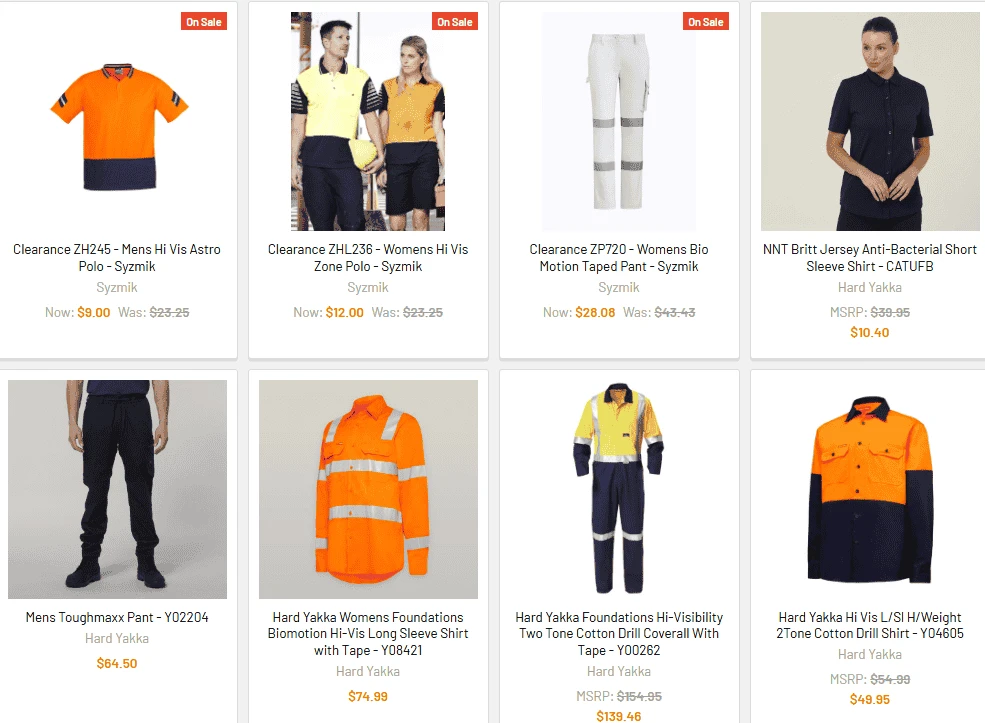

When it comes to workplace safety, visibility is often one of the most overlooked factors—yet it plays a major role in preventing accidents, especially in busy or low-light environments. Whether you’re working on a construction site, operating heavy machinery, or simply performing tasks near moving vehicles, hi vis clothing ensures that you can be seen clearly at all times. But not all high visibility work clothes are created equal. This is where the ANSI/ISEA standards come in.
These standards classify hi vis workwear into three categories: Class 1, Class 2, and Class 3, each designed for different risk levels. Understanding these classes can help businesses and workers make the right choice when selecting safety apparel. In this guide, we’ll break down what each class means, what type of work each one is suited for, and how choosing the right hi vis workwear can make a real difference in everyday safety.
Why Hi-Vis Clothing Standards Matter
Hi-vis standards exist for one main reason: to keep workers safe. When you’re visible, drivers and machine operators have more time to slow down, stop, or avoid hazards. It reduces the risk of injury and helps create a safer, more efficient work environment.
The ANSI/ISEA standards regulate:
- Minimum reflective material
- Placement of reflective tapes
- Fluorescent fabric requirements
- Overall visibility zones
This ensures that high visibility work clothes perform consistently across industries and conditions.
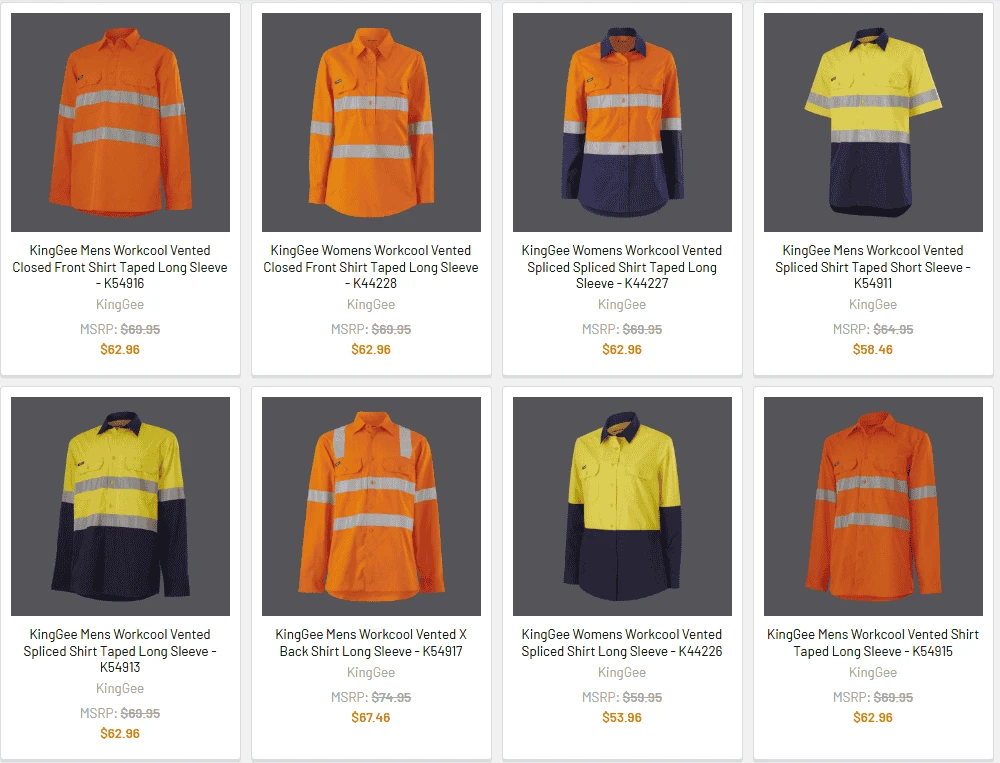
Understanding ANSI/ISEA Class 1 Hi-Vis Clothing
What Is Class 1?
Class 1 hi vis clothing offers the lowest level of visibility, suitable for workers in areas where traffic and equipment move at slower speeds. It’s designed for environments where the risk level is relatively low.
Typical Features
- Minimal reflective tape
- Smaller coverage of fluorescent fabric
- Often seen in vests or basic hi vis accessories
Who Should Wear Class 1?
Class 1 is recommended for workers who operate in controlled environments, such as:
- Warehouse workers
- Car park attendants
- Delivery drivers making stops in low-risk areas
- Trades performing tasks away from active roadways
If you work around slow-moving vehicles (under 25 mph), Class 1 may be suitable. But for higher-risk settings, you’ll need Class 2 or 3.
Understanding ANSI/ISEA Class 2 Hi-Vis Clothing
What Is Class 2?
Class 2 is the most commonly used standard for hi vis workwear. It offers a higher level of visibility than Class 1 and is suitable for environments with increased hazards or moderate traffic speeds.
Typical Features
- Greater fluorescent material coverage
- Wider and more reflective tape
- Often seen in hi vis shirts, vests, and polos
Who Should Wear Class 2?
Class 2 is ideal for workers who need to be easily spotted during daylight, low light, or around moderate-speed traffic.
Common occupations include:
- Construction workers
- Surveyors
- Traffic coordinators
- Utility workers
- Roadway maintenance crews
If you’re near vehicles moving above 25 mph or working outdoors in various lighting conditions, Class 2 provides the visibility needed to stay safe.
Understanding ANSI/ISEA Class 3 Hi-Vis Clothing
What Is Class 3?
Class 3 offers the highest level of visibility and is required in the most hazardous work environments. It provides full-body visibility through long sleeves, more reflective tape, and a larger fluorescent surface area.
Typical Features
- Long-sleeved tops or jackets
- Reflective tape on arms, legs, and torso
- Maximum coverage of hi vis fluorescent fabric
Who Should Wear Class 3?
Class 3 is essential for workers in high-risk or high-speed environments, including:
- Road construction workers near fast-moving traffic
- Emergency responders
- Tow truck drivers
- Night-time workers
- Electrical line repair teams
If you work in conditions where visibility can be compromised—such as nighttime, storms, or high-speed zones—Class 3 is the safest choice.
How to Choose the Right Hi-Vis Workwear
Choosing the right level of hi vis clothing depends on your work environment, risk level, and visibility needs. Here are a few helpful tips:
· Assess Traffic Speed
Faster vehicle speeds require higher visibility standards.
· Consider Lighting Conditions
Dusk, dawn, and night-time significantly reduce visibility.
· Think About Weather
Rain, fog, and overcast conditions make hi vis clothing even more important.
· Choose Comfortable, Breathable Materials
Workers perform better and more safely when their gear feels good to wear.
· Ensure Proper Fit
Loose or oversized hi vis workwear can become a hazard.
The Importance of Quality Hi-Vis Clothing
Not all hi vis clothing is created equal. High-quality garments offer:
- Better durability
- Longer-lasting reflective performance
- Comfort for all-day wear
- Secure stitching and reinforced tape
Whether you’re selecting a simple vest or heavy-duty jacket, investing in good-quality high visibility work clothes ensures compliance with standards and provides genuine protection.
Final Thoughts
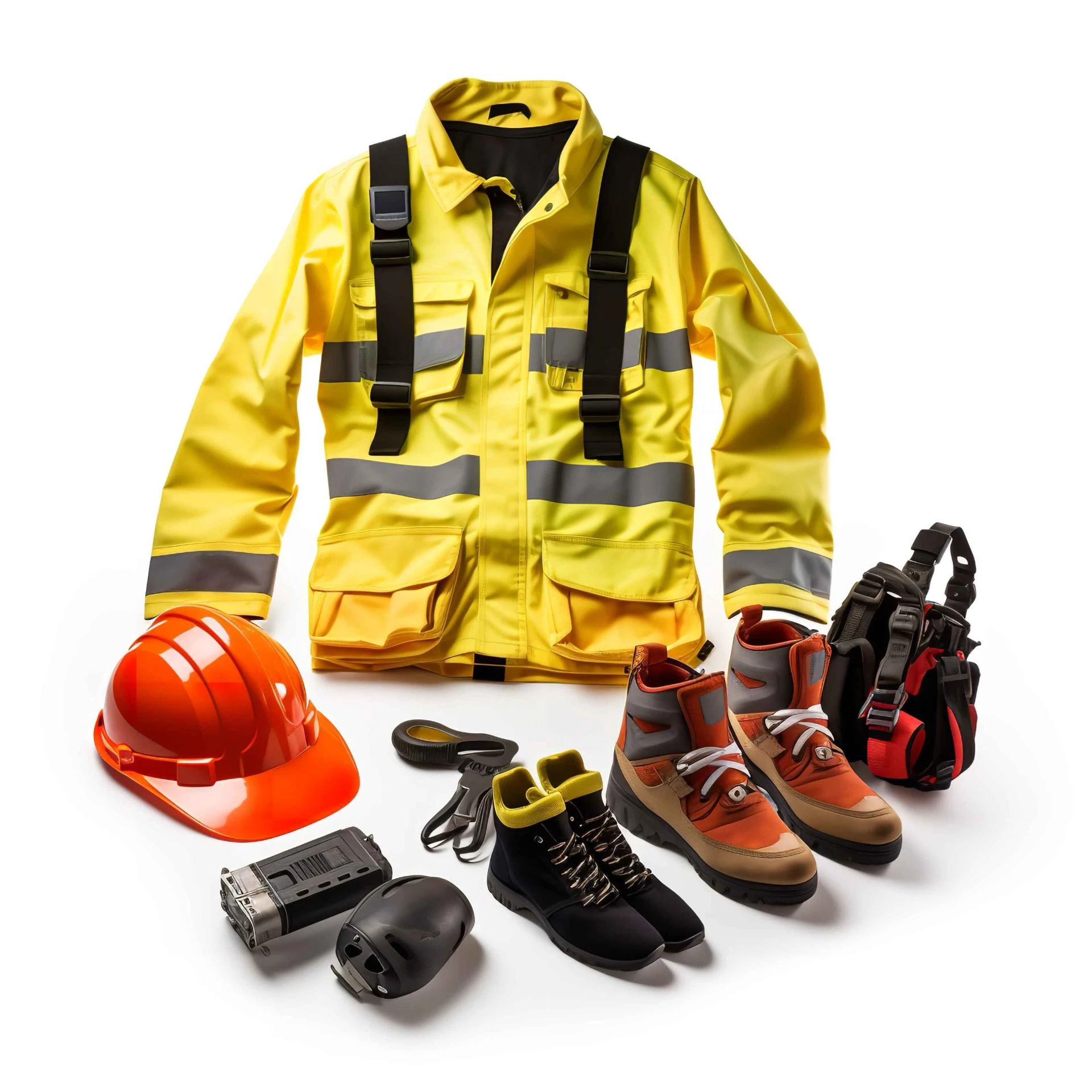
Hi-vis clothing isn’t just a safety requirement—it’s an essential part of workplace wellbeing. Understanding the differences between ANSI/ISEA Class 1, 2, and 3 allows you to choose the most appropriate level of protection for your environment. Whether you’re after a light-duty vest or a full-coverage hi vis jacket, selecting the right class of hi vis workwear can help prevent accidents and keep workers safe every single day.
If you’re looking for dependable, comfortable, and compliant hi vis workwear, exploring options that meet the ANSI/ISEA classifications ensures you’re getting safety gear that truly performs.



























Sign in to leave a comment.