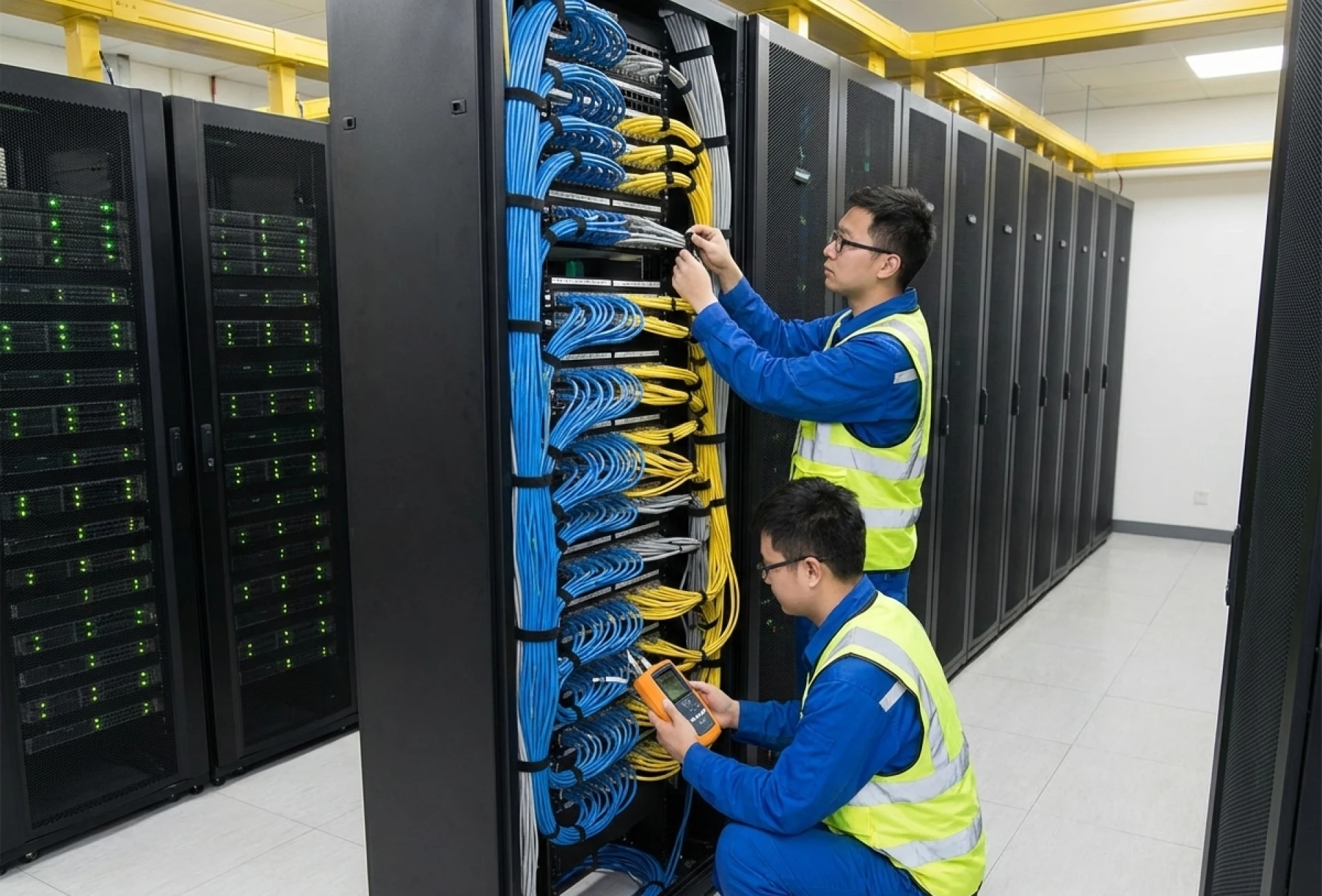

Speed and efficiency are two very important values in modern tech industries. Behind every smooth video meeting and secure data transfer is something most people never see: network cabling. It’s not flashy, but it’s foundational; it is what powers all the processes. High-grade network infrastructure quietly determines how efficient and scalable an office really is. That’s why investing in commercial network cabling is like future-proofing your business operations.
In growing business hubs like McKinney and Dallas, offices are relying more than ever on stable, high-speed connectivity. From security systems to cloud-based tools, none of them works very well without the right cabling in place. Let’s explore what makes high-grade cabling different and why it matters.
Why Network Cabling Still Matters in a Wireless World
Good cabling is no longer treated as a small feature in any building or industry. Some people might have assumed that wireless networks have replaced physical cabling, but that’s far from true. Wi-Fi still depends on wired infrastructure to function properly. Routers, access points, servers, and security devices all rely on structured cabling behind the walls.
High-grade commercial network cabling is neat, consistent, efficient, and built to adapt to new technologies. For offices handling large data transfers or multiple connected devices, solid cabling is absolutely necessary.
What is High-Grade Commercial Network Cabling?
Not all cabling systems are created equal. Only a good expert knows the difference between good and poor cables, residential and commercial demands, etc. High-grade cabling is designed for performance and durability. It uses reliable materials and structured layouts that reduce disturbances to a minimum.
Professional commercial network cabling typically includes various Ethernet cables, fiber optic lines, and clearly labeled connections. These elements work together to create a clean, efficient system.
Performance Benefits Offices Notice Immediately
Professional cabling gives order to tangled wires in your office and sets up a structured system for you to enhance efficiency. Apart from that, one of the first things businesses notice after upgrading their cabling is speed consistency. No more random slowdowns during meetings or dropped connections during peak hours. High-grade cabling ensures data flows smoothly across the network. The result is fewer disruptions.

Cabling and Network Security Go Hand in Hand
Security often starts at the physical level. Poorly installed or outdated cabling can create vulnerabilities, from unauthorized access points to unstable connections that compromise monitoring systems. Weak or poorly installed cabling slows internet speed and results in extra frustration as well.
A structured cabling setup ensures these systems communicate reliably, helping offices maintain better control over their physical and digital environments.
Scalability: Planning for Growth Without Rewiring
One major advantage of professional cabling is scalability. Businesses grow, teams expand, and thus technology evolves. A well-designed cabling system makes it easy to add new workstations, devices, or floors without tearing everything apart. Structured commercial network cabling allows offices to scale efficiently, saving time and money in the long run.
Understanding Pricing: What Does Commercial Cabling Cost?
Pricing for commercial network cabling varies depending on several factors, including office size, cable type, and building layout. No fixed prices, though. Fiber optic installations tend to cost more upfront as they offer higher speeds and longer lifespans. While high-grade cabling may seem like a larger initial investment, studies show businesses save significantly over time through reduced downtime and fewer repairs.
Clean Cabling Improves Maintenance and Troubleshooting
Messy cabling not only looks bad, but it also makes it harder to carry out troubleshooting in the long run. Organized cabling ensures efficiency due to clear labeling and proper documentation, which simplifies maintenance and upgrades.
IT teams can easily identify issues, reroute connections, or replace components with professionally installed commercial network cabling. This clarity reduces downtime and keeps systems running smoothly.
Supporting Modern Office Technology
Modern offices rely on interconnected systems that integrate smart access control with high-definition security cameras. These ICT tools demand stable bandwidth and uninterrupted power over Ethernet (PoE), and it all depends on quality cabling.
High-grade commercial network cabling supports PoE devices, eliminating the need for separate power sources and installations. This is especially valuable for security-focused environments like offices, warehouses, and mixed-use buildings.

Long-Term Value Beyond Installation
High-grade cabling isn’t just in how it works today, but its true value is in how long it continues to work well. It is about the sustained delivery of the cables. Quality cables can last 15 to 20 years when installed correctly, far outliving most active networking hardware.
Offices reduce future upgrade costs and avoid frequent rewiring by investing in durable commercial network cabling. It’s a long-term infrastructure decision that pays off quietly, year after year.
Final Thoughts: Strong Networks Start from the Ground Up
It is clear that technological upgrades are taking place very fast, but we must ensure that the foundation it relies must be steady. Organized network cabling is one of those behind-the-scenes investments that rarely gets attention, until something goes wrong.
Offices aiming for reliability, security, and room to grow, it’s a smart business move to install commercial network cabling. When the network runs smoothly, everything else has the space to perform better, and that’s something every office can appreciate.
























Sign in to leave a comment.