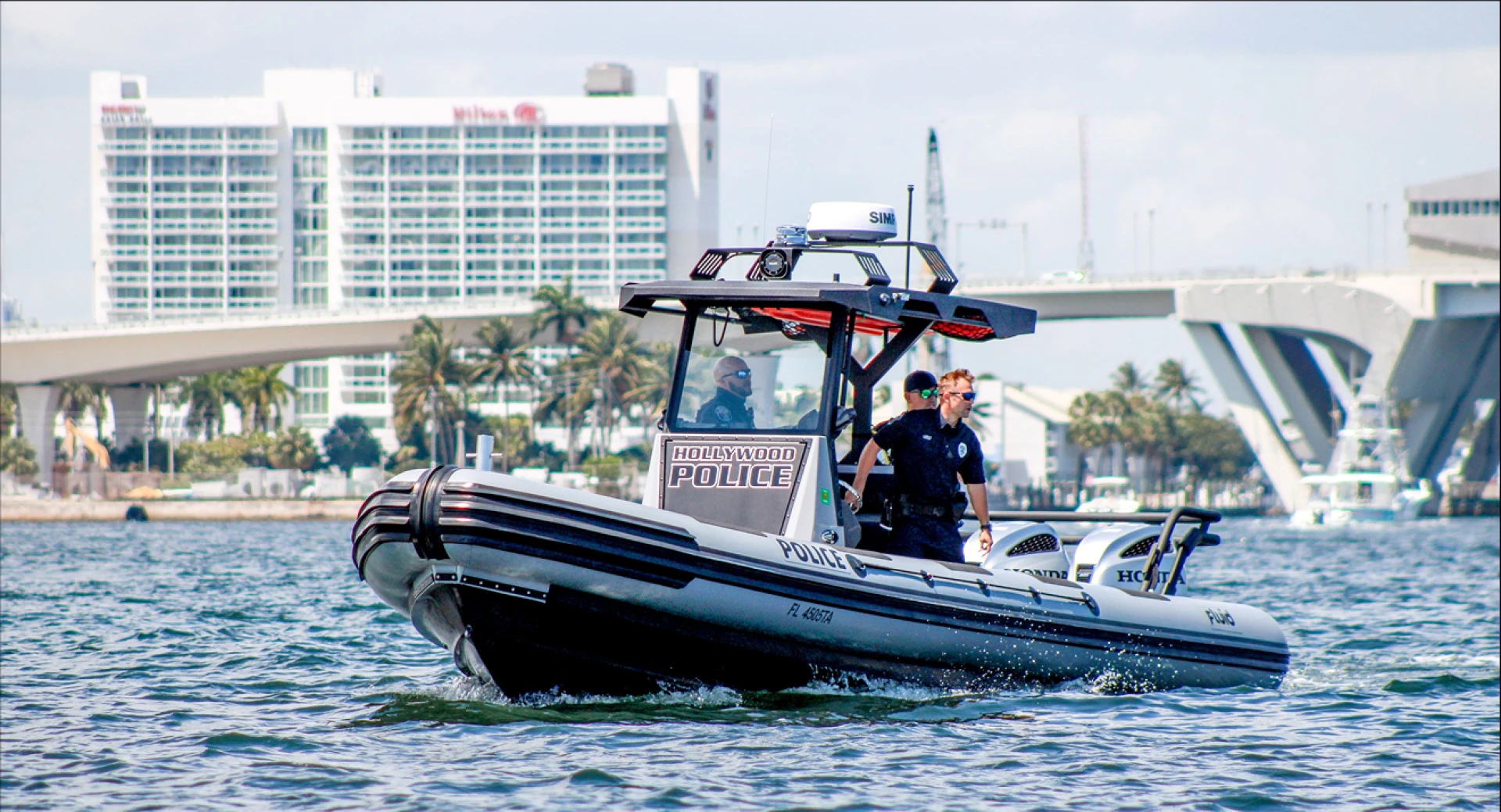

When you’re on the water — whether patrolling a harbor, conducting a rescue, or carrying out a defense mission — your boat isn’t just transportation. It’s your platform, your lifeline, and your command center. In these demanding environments, high-performance patrol boats and RIBs (Rigid Inflatable Boats) stand out as the ultimate combination of speed, strength, and control.
These vessels are built for professionals who can’t afford compromise — from law enforcement units and military teams to rescue agencies and commercial operators. In this post, we’ll explore what sets these boats apart, how to choose the right one for your mission, and the unique roles they play across industries.
1. Why Performance Matters in Patrol Boats and RIBs
Marine operations rarely happen in calm conditions. Waves, wind, and unpredictable currents all test a boat’s performance. That’s why patrol boats and RIBs are designed with stability, strength, and versatility in mind.
Unlike recreational vessels, these boats are engineered for endurance and functionality. The hulls are often deep-V or semi-displacement designs that cut through rough waters while maintaining control. This makes them invaluable for missions that demand both speed and precision — like coastal surveillance, offshore rescue, or rapid-response security operations.
In short, performance isn’t a luxury in these boats — it’s the foundation for safety and success.
2. The Sweet Spot: The Best 29ft Boat for Patrolling
When it comes to size, the 29 ft patrol boat has become a favorite among many professionals. It’s compact enough for quick turns and tight maneuvers, yet large enough to carry personnel, gear, and communications equipment.
A 29ft patrol boat typically excels in:
- Shallow and nearshore environments where agility matters
- Port and harbor patrols requiring frequent docking and repositioning
- Interception or escort missions that need high speed without bulk
- Rescue operations where a fast response time is critical
This balance of size and power makes the 29ft class an excellent all-rounder — reliable for daily tasks and adaptable to emergencies.
3. Patrol Boats for Commercial Jobs
In the commercial sector, patrol boats perform a range of behind-the-scenes jobs that keep marine industries running smoothly. From port inspections and towing to environmental monitoring and offshore platform support, these vessels are the workhorses of the water.
Modern patrol boats for commercial jobs are built for endurance. Their hulls are typically aluminum or composite, offering corrosion resistance and long service life with minimal maintenance.
Commercial operators also value versatility — the ability to switch between cargo transport, crew shuttling, and inspection work. Many boats now feature modular deck layouts so that equipment can be quickly reconfigured depending on the day’s mission.
4. Patrol Boats for Marine Rescues
When lives are on the line, the right rescue boat can make all the difference. Patrol boats for marine rescues are engineered for stability and reliability in all weather.
Key design features include:
- Self-bailing decks to prevent flooding in rough seas
- Shock-mitigating seats to protect crews during high-speed runs
- Reinforced hulls capable of taking impact in debris-filled waters
- Ample space for stretchers and medical equipment
In swift-water or open-ocean rescues, these design details can mean faster response times and safer outcomes. Many rescue teams rely on RIBs for rough water rescues, where inflatable collars provide extra buoyancy and stability even in breaking surf or high swells.
5. RIBs for Rough Water Rescues
Rigid Inflatable Boats (RIBs) have earned their reputation as rescue specialists. Their unique hybrid design — a solid hull paired with inflatable tubes — gives them both strength and flexibility.
Here’s why they perform so well in challenging conditions:
- The inflatable collars absorb impact from waves and obstacles.
- Their lightweight structure allows rapid acceleration and maneuverability.
- They remain buoyant even if flooded — an essential safety feature.
- They can operate close to shore or in shallow water, where larger vessels can’t go.
These advantages make RIBs indispensable for coast guards, lifeguard services, and emergency response teams. In fact, many organizations now rely solely on RIBs for their rescue divisions because of their unmatched reliability.
6. RIBs for Military Operations in the USA
Military operations demand boats that can handle speed, stealth, and durability — often all at once. A RIB for military operations in the USA is typically equipped for interception, boarding, and transport missions.
The military chooses RIBs for their:
- Low radar profile for stealth movement
- High-speed performance in pursuit operations
- Customizable design for communication and weapon systems
- Ability to deploy from larger vessels or shore bases
Many U.S. agencies, including special operations and harbor defense units, integrate RIBs into daily operations. Their adaptability makes them ideal for both nearshore defense and open-sea missions.
7. Aluminum Law Enforcement Boats: Durable by Design
When it comes to long-term durability, aluminum law enforcement boats set the standard. Aluminum is lightweight yet strong, offering impact resistance and corrosion protection that few materials can match.
For police and border patrol operations, aluminum boats are favored because they:
- Require minimal maintenance
- Can be easily customized with mounted gear or tech systems
- Provide excellent performance in saltwater environments
- Offer a longer operational lifespan than fiberglass alternatives
These boats often serve as patrol or command platforms for harbor authorities and coastal police, ensuring dependable service year after year.
8. Inflatable Police Boats: Compact Powerhouses
Not every mission calls for a large vessel. Sometimes, agility and fast deployment matter more than size. That’s where inflatable police boats excel.
These compact boats are lightweight, portable, and easy to launch — perfect for quick response scenarios. Police units use them for:
- Shallow-water patrols and chases
- Environmental monitoring
- Rapid-response rescue operations
- Search missions in flooded or restricted areas
Their portability allows agencies to transport and launch them from trucks, trailers, or even helicopters, giving them incredible operational flexibility.
9. The Rise of Patrol Cabin Watercraft in the USA
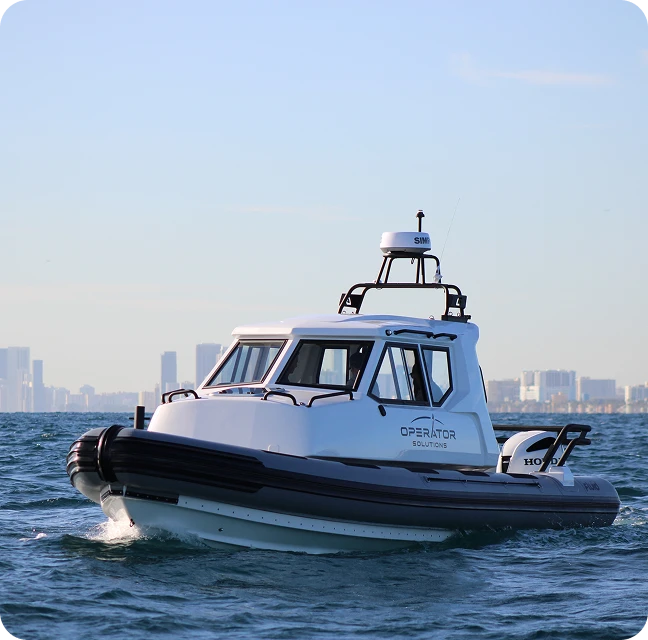
Modern operations increasingly require comfort and protection for long shifts. That’s led to the rise of the Patrol Cabin Watercraft USA trend — boats equipped with enclosed cabins for better crew safety and endurance.
These cabins offer:
- Climate control for extreme temperatures
- Advanced navigation and communication tools
- Protection from sun, wind, and sea spray
- Reduced fatigue during long hours at sea
Cabin patrol boats are now widely used by law enforcement, coast guards, and environmental agencies across the U.S. They combine rugged performance with improved working conditions for the crew — a win-win for efficiency and safety.
10. What to Look for When Choosing a Patrol Boat or RIB
Whether you’re choosing a 29ft patrol boat or a RIB for rescue operations, here are a few key points to consider:
- Purpose – Is it for patrol, rescue, or commercial use? Different missions require different hull designs and equipment.
- Material – Aluminum is ideal for durability and low maintenance; composite hulls offer lighter weight.
- Speed and Range – Match the engine capacity with your operational zone — inland, coastal, or offshore.
- Crew Safety – Look for features like anti-slip decks, secure handrails, and shock-absorbing seating.
- Customization Options – Modern manufacturers allow mission-specific layouts and modular fittings.
Investing in the right boat ensures long-term reliability and efficiency — two factors that matter most in professional marine work.
11. Building Trust on the Water
High-performance patrol boats and RIBs are not just tools — they’re symbols of trust, courage, and precision. Every operation, whether commercial, military, or rescue, relies on a boat that can perform when it truly counts.
Companies like Fluid Marine have become known for their attention to detail and craftsmanship, creating boats that professionals depend on. Their vessels are not built for luxury — they’re built for mission success.
When your team is out on the water facing unpredictable conditions, the right design, material, and engineering can make all the difference.
Conclusion
From Patrol Boats for Commercial Jobs to RIBs for Rough Water Rescues and Military Operations, the world of high-performance marine vessels continues to evolve. Each type of boat serves a specific purpose, shaped by years of innovation and real-world experience.
Whether it’s a 29ft patrol boat, an aluminum law enforcement craft, or an inflatable police boat, these machines embody one principle — reliability under pressure.
In a marine world where every wave can bring a new challenge, these boats prove that the right balance of design and technology keeps missions safe, efficient, and successful — day after day.









Sign in to leave a comment.