
There are various options available for securing cargo during transportation. High-security bolt seals and additional cargo security alternatives, including padlocks, cable seals, and barrier seals, are two of the most popular fixes. In this article, we'll contrast high-security bolt seals with other options for cargo protection and examine their advantages and disadvantages.
High-Security Bolt Seals
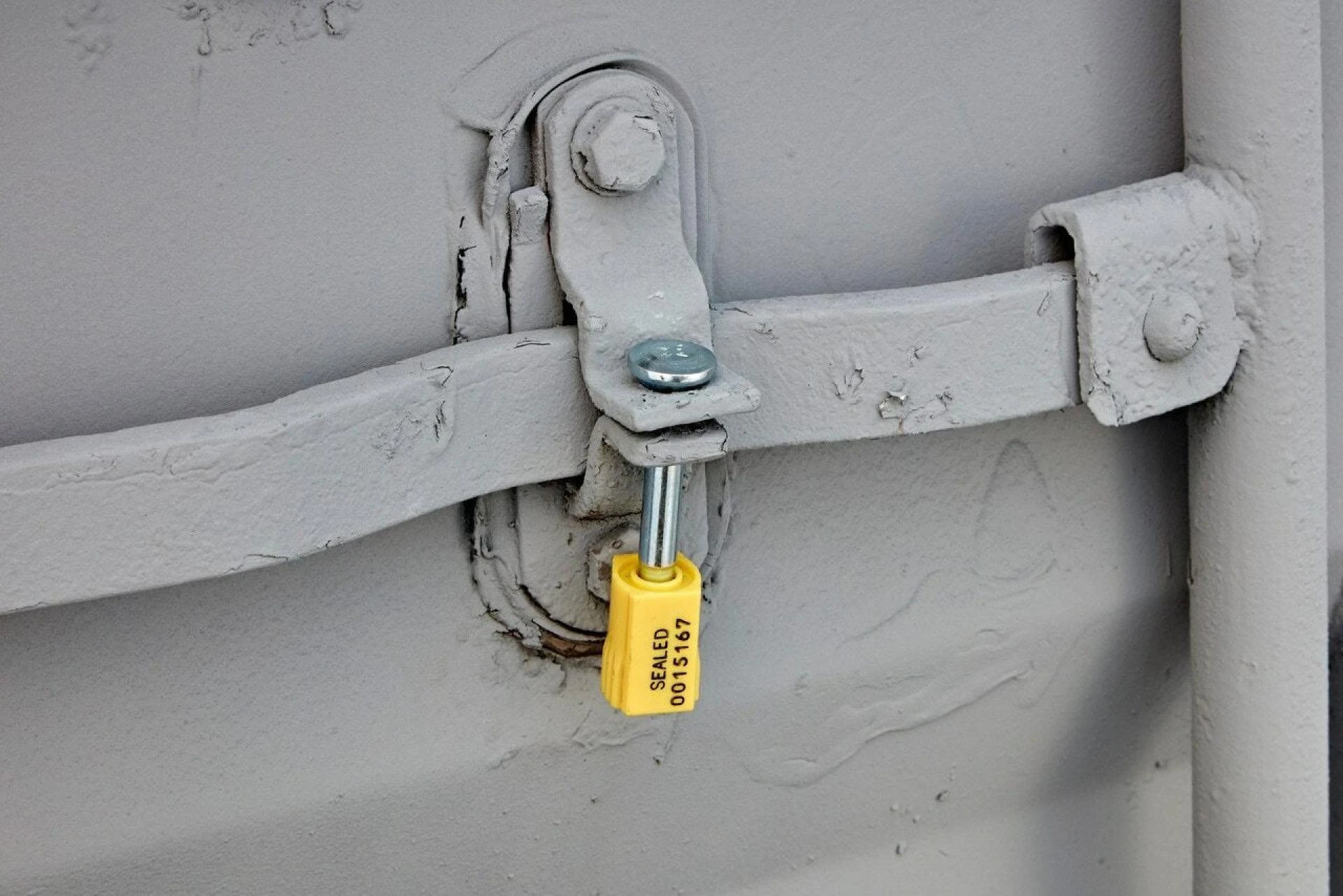
For cargo containers and other transportation vehicles, high-security bolt seals are made to offer a high level of security. They can endure severe weather conditions and attempts at tampering because they are constructed of sturdy materials like steel. The bolt itself is secured by a locking mechanism that needs a specialized tool to unlock. High-security bolt seals often meet ISO 17712 and C-TPAT specifications, demonstrating that they adhere to global security norms for shipping cargo.
Pros:
The fact that high-security bolt seals are tamper-evident makes any attempt to tamper with them obvious.
They are constructed with strong materials that can withstand inclement weather and physical assaults.
They adhere to international security standards for cargo transportation, which may make it easier for your company to meet legal obligations.
They simply need a unique tool to open and are rather simple to install and remove.
Cons:
Compared to other cargo security measures, high-security bolt seals may be more expensive.
Because some containers or vehicles do not have the required bolt holes for installation, they might not be appropriate for all kinds of cargo transportation.
Other Cargo Security Solutions
There are numerous other options for cargo security, including padlocks, cable seals, and barrier seals. Padlocks are a quick and affordable solution that may be used to fasten trailers or cargo containers. Bolt seals and cable seals both attach to the container or trailer using a bolt, but a cable is used in a cable seal. Barrier seals are made to physically block off the cargo in order to prevent access.
Pros:
Other cargo security measures may be less expensive than high-security bolt seals.
They may be bought from the majority of hardware stores and online merchants and are easily accessible.
When high-security bolt seals are impractical or unnecessary, other cargo security options, such as barrier seals, might be used.
Cons:
Since other cargo security options might not adhere to global security requirements, your company might not be in compliance.
They might not be tamper-evident, which means that tampering attempts might not be immediately apparent.
Certain cargo security measures, including padlocks, may be simple for skilled criminals to get around.
Conclusion
High-security bolt seals are a great option for companies that need to move valuable or delicate cargo since they provide a high level of security and comply with international security regulations. These might cost more than other cargo security options, but the extra security and peace of mind they offer can be worth the cost.
There are various options available for securing cargo during transportation. High-security bolt seals and additional cargo security alternatives, including padlocks, cable seals, and barrier seals, are two of the most popular fixes. In this article, we'll contrast high-security bolt seals with other options for cargo protection and examine their advantages and disadvantages.
High-Security Bolt Seals
For cargo containers and other transportation vehicles, high-security bolt seals are made to offer a high level of security. They can endure severe weather conditions and attempts at tampering because they are constructed of sturdy materials like steel. The bolt itself is secured by a locking mechanism that needs a specialized tool to unlock. High-security bolt seals often meet ISO 17712 and C-TPAT specifications, demonstrating that they adhere to global security norms for shipping cargo.
Pros:
The fact that high-security bolt seals are tamper-evident makes any attempt to tamper with them obvious.
They are constructed with strong materials that can withstand inclement weather and physical assaults.
They adhere to international security standards for cargo transportation, which may make it easier for your company to meet legal obligations.
They simply need a unique tool to open and are rather simple to install and remove.
Cons:
Compared to other cargo security measures, high-security bolt seals may be more expensive.
Because some containers or vehicles do not have the required bolt holes for installation, they might not be appropriate for all kinds of cargo transportation.
Other Cargo Security Solutions
There are numerous other options for cargo security, including padlocks, cable seals, and barrier seals. Padlocks are a quick and affordable solution that may be used to fasten trailers or cargo containers. Bolt seals and cable seals both attach to the container or trailer using a bolt, but a cable is used in a cable seal. Barrier seals are made to physically block off the cargo in order to prevent access.
Pros:
Other cargo security measures may be less expensive than high-security bolt seals.
They may be bought from the majority of hardware stores and online merchants and are easily accessible.
When high-security bolt seals are impractical or unnecessary, other cargo security options, such as barrier seals, might be used.
Cons:
Since other cargo security options might not adhere to global security requirements, your company might not be in compliance.
They might not be tamper-evident, which means that tampering attempts might not be immediately apparent.
Certain cargo security measures, including padlocks, may be simple for skilled criminals to get around.
Conclusion
High-security bolt seals are a great option for companies that need to move valuable or delicate cargo since they provide a high level of security and comply with international security regulations. These might cost more than other cargo security options, but the extra security and peace of mind they offer can be worth the cost.

























Sign in to leave a comment.