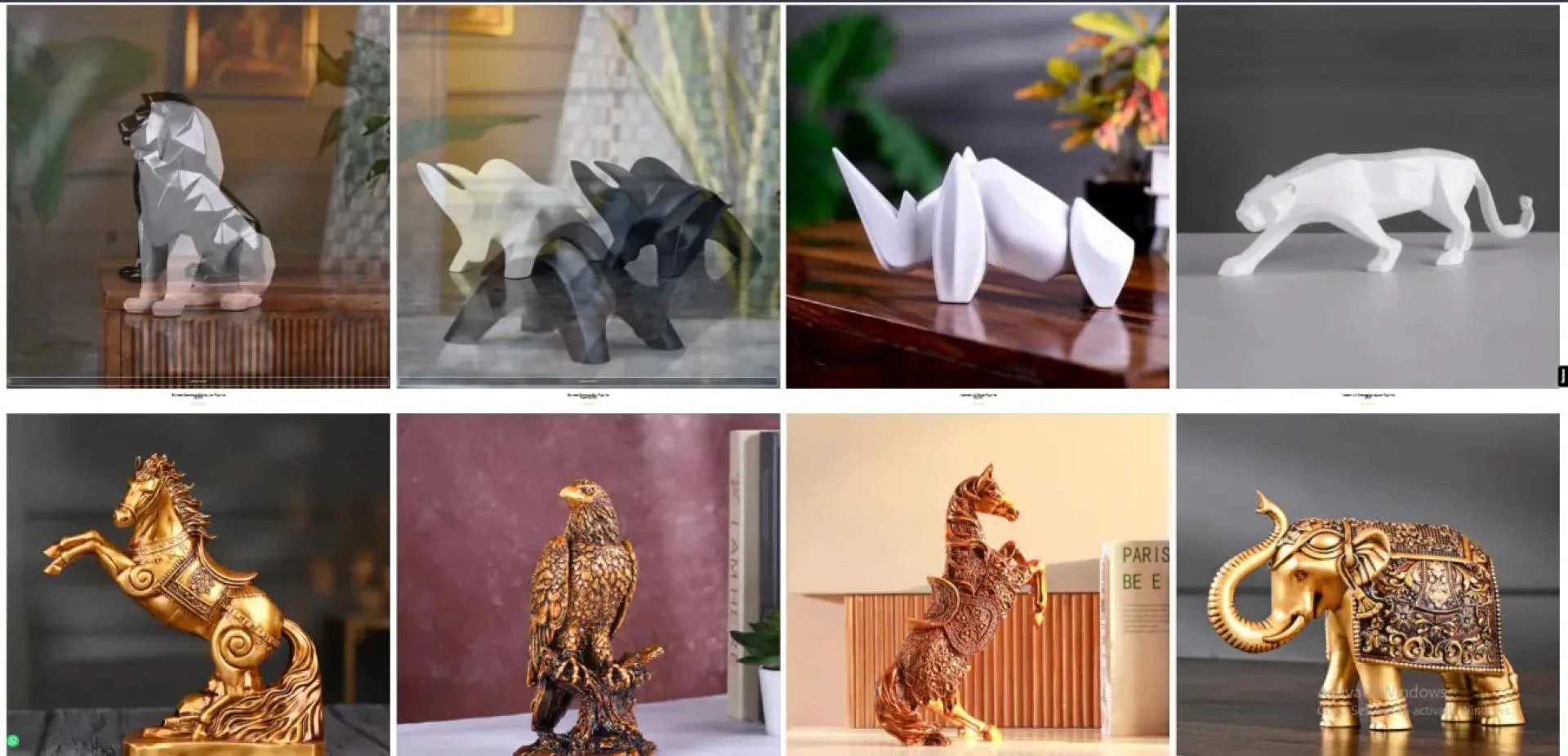

Home decoration in India is an art form that beautifully blends the richness of traditional elements with the sleekness of modern design. Indian homes are known for their warmth, vibrant colors, intricate patterns, and a deep sense of cultural heritage. This post will guide you through the essentials of Indian home decor, offering insights on how to create a space that reflects both tradition and contemporary style.
The Charm of Traditional Indian Home Decor
Indian home decor has always been rich in tradition, influenced by centuries of cultural evolution. Each region in India brings its own unique flavor to interior design, making Indian decor diverse and full of character.
Furniture with a Heritage
Traditional Indian furniture is known for its durability, intricate carvings, and use of quality wood like teak, rosewood, or sheesham. The craftsmanship is passed down through generations, and each piece of furniture is often a work of art.
- Solid Wood Furnishings: Indian homes often feature solid wood furniture, such as heavy wooden beds, dining tables, and intricately carved cabinets. These pieces not only serve functional purposes but also act as focal points in the home.
- Antique Pieces: Incorporating antique furniture or decor items, such as an old jhoola (swing), a carved wooden chest, or a traditional brass lamp, can add a timeless appeal to your space.
Vibrant Textiles and Fabrics
India is famous for its textiles, and incorporating them into your home decor is a great way to add color, texture, and warmth.
- Handwoven Rugs: Traditional rugs, such as those from Kashmir or Rajasthan, bring an element of luxury and warmth to any room. They often feature intricate patterns and vibrant colors, making them perfect for adding a touch of tradition to a modern setting.
- Cushion Covers and Curtains: Indian homes often use textiles like silk, cotton, and jute for cushion covers, curtains, and throws. These fabrics are available in a wide range of colors and patterns, from bold block prints to delicate embroidery.
Decorative Artifacts
Indian decor is incomplete without the inclusion of decorative artifacts that reflect the country’s rich cultural heritage.
- Brass and Copper Items: Decor items made from brass and copper, such as diyas (traditional lamps), statues of deities, and decorative bowls, are popular in Indian homes. These materials age beautifully, adding a rustic charm over time.
- Wall Art: Traditional Indian art forms like Madhubani, Warli, and Pichwai paintings are widely used to decorate walls. These art pieces often depict stories from Indian mythology and daily life, adding a cultural narrative to your decor.
Incorporating Modern Elements in Indian Home Decor
While tradition forms the foundation of Indian home decor, modern design elements are increasingly being integrated to create spaces that are both functional and aesthetically pleasing.
Minimalist Aesthetics with Indian Accents
Minimalism is a growing trend in urban India, where space is often limited. However, this does not mean compromising on the richness of Indian decor.
- Neutral Color Palettes: Using neutral colors like white, beige, and grey as a base allows traditional Indian decor elements to stand out. For example, a neutral living room can be brought to life with colorful Indian textiles and artwork.
- Sleek Furniture: Modern Indian homes are adopting sleek, minimalist furniture designs that are functional and space-saving. Combining these with traditional Indian decor pieces, such as a carved wooden coffee table or an antique sideboard, can create a balanced look.
Fusion of Materials
Combining different materials is a hallmark of contemporary Indian home decor. The fusion of traditional and modern materials can add depth and interest to your space.
- Wood and Metal: A wooden dining table with metal legs or a steel-framed jhoola can add a modern twist to traditional furniture. This combination of materials creates a balanced look that is both rustic and contemporary.
- Glass and Stone: Using glass tabletops or stone countertops in the kitchen or dining areas introduces a modern aesthetic while keeping the space functional and easy to maintain.
Smart Home Integration
As technology advances, Indian homes are increasingly incorporating smart devices into their decor. These technologies add convenience and efficiency without compromising on style.
- Smart Lighting: Automated lighting systems that can be controlled via smartphone apps are becoming common in modern Indian homes. These systems allow you to adjust the lighting according to the mood and time of day, creating the perfect ambiance.
- Home Automation: Smart thermostats, security systems, and entertainment setups are making Indian homes more efficient and comfortable. These technologies can be seamlessly integrated into the decor, ensuring that the home remains both functional and stylish.
Colors and Patterns: The Heart of Indian Decor
Indian decor is known for its use of vibrant colors and intricate patterns, each carrying its own significance and cultural relevance.
Vibrant and Rich Color Schemes
Color plays a crucial role in Indian home decor, with bold, vibrant hues being a common choice.
- Warm Tones: Colors like red, orange, and yellow are often used in living rooms and dining areas to create a warm and inviting atmosphere. These colors are believed to bring positive energy and vibrancy into the home.
- Cool Tones: Shades of blue and green are preferred in bedrooms and study areas for their calming effects. These colors help create a serene environment, perfect for relaxation and concentration.
- Accent Walls: An accent wall painted in a bold color, such as deep red or royal blue, can add a focal point to a room. This is a popular trend in modern Indian homes, allowing for a pop of color without overwhelming the space.
Intricate and Meaningful Patterns
Patterns are integral to Indian decor, whether they appear in textiles, flooring, or wall art.
- Paisleys and Florals: Traditional Indian patterns like paisleys and florals are commonly found in textiles and wallpapers. These patterns are deeply rooted in Indian culture and are often used to bring a touch of tradition into modern homes.
- Geometric Designs: Geometric patterns, inspired by Islamic and Mughal architecture, are also popular in Indian decor. These designs are often seen in tiles, rugs, and even furniture, adding a sense of symmetry and order to the space.
- Handcrafted Details: Block printing, embroidery, and other handcrafted techniques are widely used in Indian textiles. These details add texture and depth, making each piece unique.
Embracing Nature in Indian Home Decor
Incorporating elements of nature into your home decor is a key aspect of Indian design, promoting a sense of peace and harmony.
Indoor Plants
Indoor plants are a simple yet effective way to bring nature into your home. They not only enhance the aesthetic appeal but also contribute to a healthier living environment.
- Tulsi Plant: The holy basil, known as Tulsi, is often kept in Indian homes for its spiritual significance and health benefits. It is usually placed near the entrance or in the courtyard.
- Money Plant: The money plant is popular for its low maintenance and the belief that it brings prosperity. It is often placed in living rooms or balconies.
- Bamboo: Bamboo plants are known for their resilience and are considered a symbol of good luck. They can be placed in both indoor and outdoor spaces to add greenery and positivity.
Water Features
Water features such as small indoor fountains or water bowls with floating flowers can add a sense of tranquility to your home.
- Tabletop Fountains: These fountains are easy to maintain and can be placed in living rooms or entryways. The sound of flowing water creates a calming ambiance, making the space more relaxing.
- Urli with Floating Flowers: The urli, a traditional Indian decor item, is a shallow bowl filled with water and decorated with floating flowers and candles. It is often placed at the entrance of the home, symbolizing prosperity and peace.
Conclusion: Crafting Your Unique Indian Home
Decorating a home in India is a journey that involves blending tradition with modernity. Whether you lean towards the richness of traditional decor or the sleekness of modern design, the key is to create a space that feels authentic and welcoming. By incorporating elements like handcrafted furniture, vibrant textiles, and smart technology, you can craft a home that is not only beautiful but also a true reflection of India’s diverse cultural heritage.










Sign in to leave a comment.