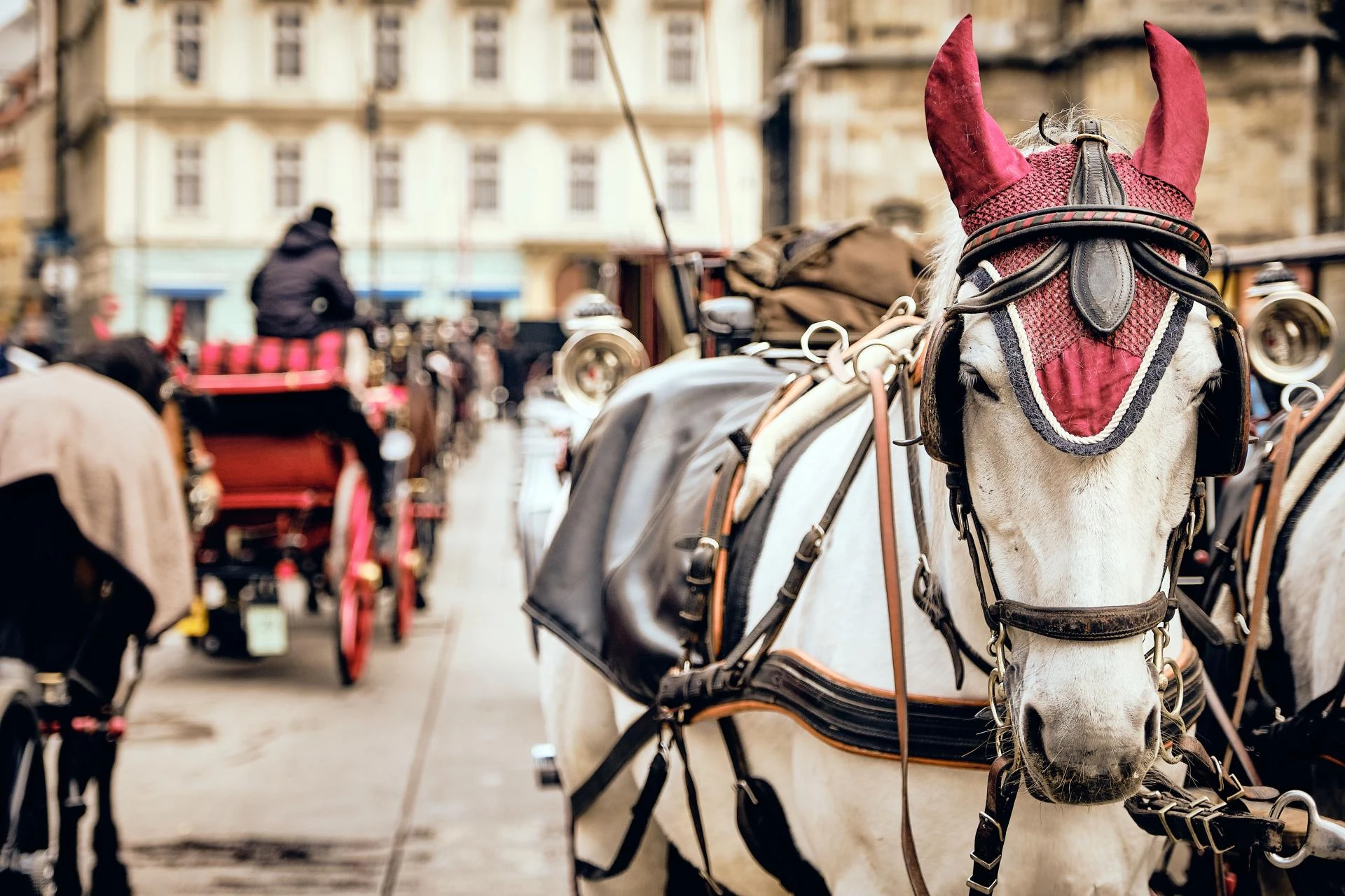

Transporting horses is a task that requires care, expertise, and attention to detail. When horse owners consider moving their animals from one place to another, whether for competitions, sales, breeding, or relocation, the priority is always safety and comfort. In a state as vast and diverse as California, horse delivery services play a vital role in ensuring that equine companions reach their destination in excellent condition. This guide explores everything horse owners should know about equine transportation, covering preparation, logistics, and best practices for a smooth journey.
Understanding Horse Transportation
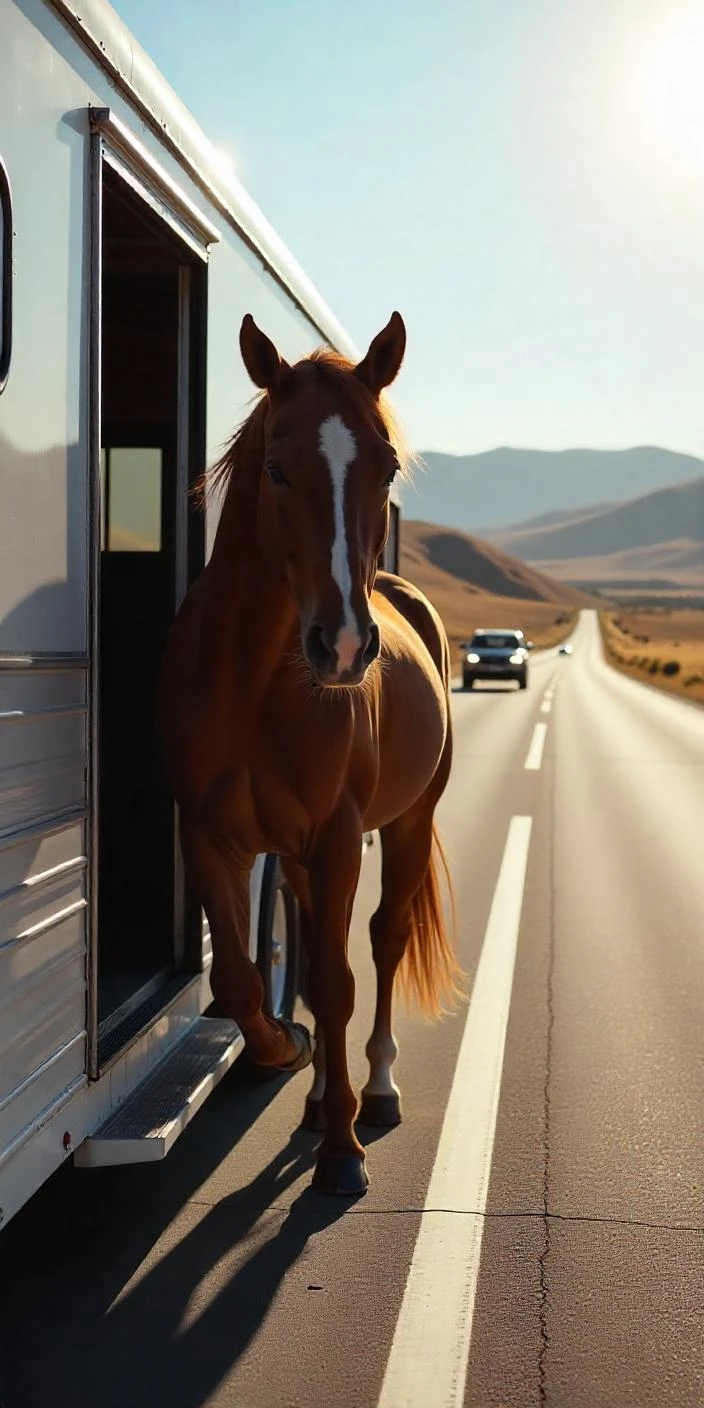
Unlike moving household goods, transporting horses involves living beings that are sensitive, intelligent, and sometimes unpredictable. The process requires specialized equipment, experienced drivers, and handlers who understand equine behavior. Horses may become stressed when traveling long distances, so horse delivery professionals focus on minimizing anxiety, maintaining health, and ensuring the animals are comfortable from pick-up to drop-off.
Why Horses Need Professional Transport
Many horse owners may wonder why professional transport is necessary instead of towing a trailer themselves. The answer lies in the complexity of the task. Professional Horse delivery California services bring several advantages:
- Experience and Knowledge – Professionals know how to load, unload, and monitor horses throughout the journey.
- Specialized Vehicles – Trailers designed for ventilation, stability, and space keep horses safe.
- Long-Distance Capabilities – Traveling across California often means covering hundreds of miles, which requires endurance and logistical planning.
- Health and Safety Monitoring – Professionals check for signs of stress, dehydration, or discomfort.
By choosing a professional service, horse owners ensure their animals are in good hands, even during challenging travel conditions.
Preparing Horses for Delivery
Preparation is one of the most important steps in ensuring safe transportation. Horses, like people, can become anxious about new environments. To make the process smoother, owners can:
- Train for Loading: Horses should be comfortable walking into trailers without resistance.
- Health Checks: A recent veterinary examination ensures the horse is fit for travel.
- Proper Documentation: Health certificates, vaccination records, and ownership papers may be required depending on the destination.
- Nutrition and Hydration: Ensuring horses are well-fed and hydrated before transport helps maintain strength and calmness.
The better prepared the horse, the easier the delivery process becomes.
Choosing the Right Transport Service
With many providers available, selecting the right horse transport company is crucial. Horse owners should evaluate services based on:
- Reputation: Reading reviews and asking for referrals helps identify reliable companies.
- Experience: Longstanding providers are often more skilled at handling unexpected challenges.
- Fleet Quality: Modern, well-maintained trailers ensure smoother rides.
- Communication: Good transporters keep owners updated during the journey.
Trust is key—horse owners must feel confident that their animals are treated with respect and care.
The Journey Across California
California’s size makes horse delivery unique. From the coastal breezes of San Diego to the agricultural heartlands of the Central Valley and the mountain passes of the Sierra Nevada, horses may encounter various climates and terrains during transport. Professional transporters account for these factors when planning routes and stops.
- Weather Conditions: California can experience extreme heat in the south and cooler mountain climates in the north. Ventilation and hydration are priorities.
- Traffic and Highways: Navigating major freeways requires skilled drivers who prioritize safety over speed.
- Rest Stops: Horses need regular breaks to stretch, rest, and remain calm.
By carefully planning every detail, transporters ensure that horses arrive in excellent condition regardless of distance.
Safety Standards in Horse Delivery
Safety is the foundation of horse transport. Professional companies follow strict protocols, such as:
- Clean Trailers: Preventing the spread of diseases between horses.
- Protective Equipment: Using partitions, mats, and padding to reduce injury risk.
- Monitoring Systems: Some modern trailers include cameras so drivers can watch horses throughout the journey.
- Experienced Handlers: Staff who know how to calm stressed horses are invaluable.
Every detail is designed to minimize risk and maximize comfort.
Reducing Stress During Travel
Stress can affect horses significantly, impacting both their health and performance. To reduce stress, transporters focus on:
- Smooth Driving: Avoiding sudden stops or sharp turns.
- Familiar Items: Allowing horses to travel with their blankets or halters.
- Companionship: Some horses relax better when traveling with a stablemate.
- Routine Stops: Providing fresh water and rest helps keep horses settled.
By prioritizing stress reduction, horses arrive calmer and more ready for their next activity.
The Role of Communication
For horse owners, peace of mind comes from knowing where their animals are and how they are doing. Reputable delivery services provide updates throughout the journey, either through phone calls, text messages, or GPS tracking. This transparency builds trust and reassures owners that their horses are receiving proper care.
After the Delivery
The transportation process does not end when the trailer doors open. After delivery, horses need time to rest, rehydrate, and adjust to their new surroundings. Owners should check for signs of fatigue or stress and provide a calm, comfortable environment. Some horses bounce back immediately, while others may take a day or two to fully settle.
Building Long-Term Relationships with Transporters
Horse owners often require transport multiple times a year—for competitions, veterinary visits, or relocation. Establishing a strong relationship with a trusted delivery service provides long-term benefits. Over time, transporters become familiar with specific horses, understanding their personalities, preferences, and needs. This familiarity makes each trip smoother and safer.
Conclusion
Horse delivery is more than simply moving an animal from one point to another. It is a process that combines professionalism, compassion, and expertise. In a state as large and diverse as California, reliable equine transportation ensures that horses travel safely through varying climates, long distances, and challenging terrains. By preparing properly, choosing the right service, and prioritizing health and safety, horse owners can rest assured that their equine companions are in good hands.
Horse delivery California is not just a service—it is a commitment to treating every horse with the care and respect they deserve, ensuring that each journey ends with both horse and owner feeling secure, comfortable, and ready for the next chapter.
























Sign in to leave a comment.