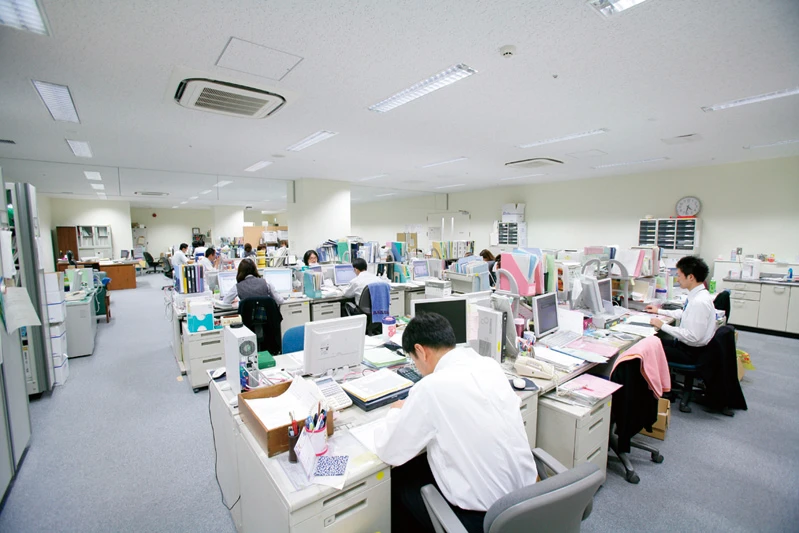

Pakistan’s hospital administration faces challenges in resource management, infrastructure, and accessibility. With a population of over 220 million, the demand for healthcare services is high, putting a strain on facilities. Limited funding and outdated infrastructure hinder the ability to meet these demands efficiently. Rural areas often lack adequate medical facilities, exacerbating disparities in healthcare access.
Administrative reforms are crucial to improve governance, enhance transparency, and allocate resources effectively. Embracing technology for data management and patient care can streamline processes. Collaborative efforts between the government, private sector, and international organizations are essential to strengthen Pakistan’s hospital administration and ensure equitable healthcare delivery.
Top of Form
Hospital Administration During Imran Khan’s Regime.
Imran Khan, a former cricket legend turned politician, came into power with promises of transforming Pakistan into a welfare state, focusing on improving healthcare, education, and other essential services. Hospital administration is a critical aspect of healthcare, and during his tenure, efforts were made to address various challenges in this sector.
1. Health Policy Initiatives: One of the primary aspects of hospital administration during Imran Khan’s regime was the emphasis on developing and implementing comprehensive health policies. The government aimed to address issues such as inadequate infrastructure, a shortage of medical staff, and a lack of essential medical equipment and supplies.
2. Sehat Sahulat Program: The Sehat Sahulat Program, launched in 2015 but continued and expanded during Imran Khan’s regime, was a flagship health insurance initiative. This program aimed to provide health coverage to vulnerable segments of the population, ensuring that they have access to quality healthcare services without financial barriers. The expansion of this program contributed to increased coverage and improved the financial viability of hospitals.
3. Infrastructure Development: To enhance hospital administration, there was a focus on improving and expanding healthcare infrastructure. New hospitals were planned and constructed, and existing facilities were upgraded to meet modern standards. The aim was to ensure that hospitals were well-equipped and capable of providing a wide range of medical services.
4. Training and Capacity Building: Efforts were made to address the shortage of skilled healthcare professionals by investing in training and capacity building. Initiatives were launched to enhance the skills of doctors, nurses, and other healthcare staff. This not only improved the quality of healthcare but also helped in better hospital management.
5. Digitalization of Healthcare Records: A move towards digitalization in hospital administration was observed during Imran Khan’s regime. The introduction of electronic health records aimed to streamline administrative processes, improve patient care, and enhance the overall efficiency of healthcare delivery.
6. Addressing Corruption and Mismanagement: Imran Khan’s government made efforts to tackle corruption and mismanagement within the healthcare sector. Initiatives were launched to ensure transparency in the allocation of resources, procurement of medical equipment, and the hiring of personnel. The goal was to create a more accountable and efficient healthcare system.
7. COVID-19 Response: The COVID-19 pandemic posed a significant challenge to healthcare systems worldwide. During Imran Khan’s regime, efforts were made to strengthen the healthcare system’s response to the pandemic. This included increasing the capacity for testing, setting up isolation and treatment facilities, and ensuring the availability of necessary medical supplies.
8. Public-Private Partnerships: To address resource constraints and improve service delivery, the government explored public-private partnerships in healthcare. Collaborations with the private sector were sought to bring in additional expertise, investment, and efficiency in hospital administration.
Challenges and Criticisms: While there were positive developments in hospital administration during Imran Khan’s regime, challenges and criticisms also emerged. Some critics pointed to the slow pace of implementation, bureaucratic hurdles, and the need for more substantial investments in the healthcare sector. Additionally, concerns were raised about the equitable distribution of healthcare resources and services across different regions of the country.
In conclusion, hospital administration during Imran Khan’s regime witnessed various initiatives aimed at improving healthcare delivery, infrastructure, and overall management. The success of these efforts depends on sustained commitment, effective implementation, and continuous adaptation to address emerging challenges in the healthcare sector.
Decline in Pakistan’s Hospital Administration after Imran Khan’s Regime
Since assuming office in August 2018, Imran Khan’s government in Pakistan has faced numerous challenges, with the healthcare system being one of the critical sectors affected. The administration of hospitals plays a pivotal role in ensuring the efficient delivery of healthcare services to the public. However, concerns have emerged regarding the decline in hospital administration standards during Imran Khan’s regime, raising questions about the government’s ability to address healthcare issues effectively.
Budgetary Constraints:One of the primary factors contributing to the decline in hospital administration is the persistent budgetary constraints faced by the healthcare sector. Imran Khan’s government has been grappling with economic challenges, leading to reduced allocations for health services. Inadequate funding has directly impacted the quality of hospital infrastructure, staffing, and the procurement of essential medical equipment.
Staffing Issues:Hospital administration heavily relies on a qualified and motivated workforce. However, during Imran Khan’s regime, there have been reports of understaffing, particularly in rural and remote areas. The shortage of skilled professionals, including doctors, nurses, and administrative staff, has hampered the effective management of hospitals. This scarcity not only compromises patient care but also places an immense burden on the existing healthcare personnel.
Political Interference:Another factor contributing to the decline in hospital administration is the alleged political interference in the appointment of key healthcare officials. The perception that appointments are made based on political affiliations rather than merit can undermine the effectiveness and impartiality of hospital management. This interference may compromise decision-making processes, hinder accountability, and erode public trust in the healthcare system.
Infrastructure Deterioration:The state of hospital infrastructure has deteriorated significantly under Imran Khan’s government. Many healthcare facilities lack essential amenities, including proper sanitation, sufficient bed capacity, and adequate medical equipment. The crumbling infrastructure not only affects the quality of patient care but also demoralizes healthcare professionals who struggle to provide services in substandard conditions.
Mismanagement of Health Initiatives:While the government has introduced health initiatives, such as the Sehat Sahulat Program and the Health Card Scheme, the implementation and management of these programs have faced criticism. Reports of mismanagement, corruption, and delays in the disbursement of funds have marred the success of these initiatives. Such issues not only hinder the intended benefits for the public but also cast a shadow over the government’s commitment to improving healthcare.
Lack of Transparency and Accountability:Transparency and accountability are vital components of effective hospital administration. However, concerns have been raised about the lack of transparency in financial transactions, procurement processes, and overall decision-making within the healthcare sector. This lack of accountability can lead to misallocation of resources, fostering an environment ripe for corruption and inefficiency.
The decline in hospital administration standards in Pakistan during Imran Khan’s regime is a multifaceted issue rooted in budgetary constraints, staffing issues, political interference, infrastructure deterioration, mismanagement of health initiatives, and a lack of transparency and accountability.
As the healthcare system plays a crucial role in the well-being of the population, it is imperative for the government to address these challenges promptly and comprehensively. A commitment to prioritizing healthcare funding, merit-based appointments, and transparent governance can help restore confidence in the healthcare sector and improve the overall administration of hospitals in Pakistan.







Sign in to leave a comment.