

Large hospitals face unique challenges in managing their operations efficiently due to the scale and complexity of their services. Implementing a robust Hospital Management System (HMS) tailored specifically for large hospitals is essential to address these challenges effectively. At Medinous, we offer a comprehensive HMS solution designed to meet the diverse needs of large hospitals, enabling them to streamline processes, enhance patient care, and optimize resource utilization.
Understanding Hospital Management Systems:
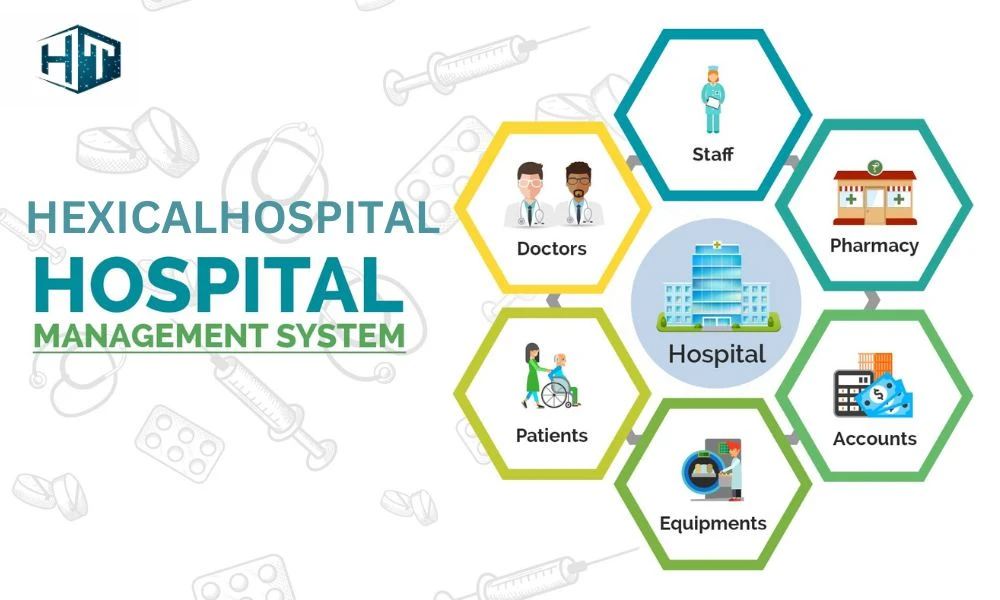
Hospital Management Systems are sophisticated software platforms that integrate various administrative, clinical, and financial functions within a healthcare institution. These systems serve as the backbone of hospital operations, facilitating seamless communication and coordination across different departments. From patient registration and appointment scheduling to electronic health records (EHR) management and billing, an HMS centralizes critical processes to ensure smooth workflow and efficient delivery of healthcare services.
Key Features of Hospital Management Systems:
- Patient Registration and Admission: Simplify the registration and admission process by digitizing patient information, including demographics, medical history, and insurance details. This streamlines administrative tasks and reduces paperwork.
- Appointment Scheduling: Efficiently manage appointments for outpatient consultations, diagnostic tests, surgeries, and other medical procedures. Advanced scheduling features help optimize resource allocation and minimize patient wait times.
- Electronic Health Records (EHR) Management: Store and manage comprehensive electronic health records for patients, including medical history, diagnoses, treatment plans, and lab results. An integrated EHR system promotes information sharing among healthcare providers, ensuring continuity of care.
- Clinical Decision Support: Provide clinicians with real-time access to patient data, evidence-based guidelines, and best practices to support clinical decision-making. This feature enhances patient safety and quality of care by helping healthcare providers make informed decisions.
- Billing and Revenue Cycle Management: Streamline the billing process and improve revenue cycle management with automated billing functionalities. This includes generating invoices, processing insurance claims, and tracking payments, leading to faster reimbursements and increased revenue.
- Inventory and Supply Chain Management: Optimize inventory levels and ensure the availability of essential medical supplies and equipment. Inventory management modules help hospitals track stock levels, streamline procurement processes, and prevent stockouts or overstocking.
- Analytics and Reporting: Leverage data analytics tools to gain insights into hospital operations, patient demographics, clinical outcomes, and financial performance. Advanced reporting capabilities enable administrators to identify trends, measure key performance indicators, and make data-driven decisions to improve efficiency and quality of care.
- Interoperability: Ensure seamless integration with external systems, such as laboratory information systems, radiology systems, and electronic prescribing platforms. Interoperability enhances communication and data exchange across different healthcare settings, improving care coordination and patient outcomes.
- Security and Compliance: Implement robust security measures to protect patient data and comply with regulatory requirements, such as HIPAA (Health Insurance Portability and Accountability Act) in the United States. Hospital Management Systems employ encryption, access controls, and audit trails to safeguard sensitive information and maintain patient confidentiality.
- Mobile Accessibility: Provide clinicians and staff with access to the HMS via mobile devices, allowing them to manage tasks, view patient information, and communicate with colleagues from anywhere, at any time. Mobile accessibility enhances productivity and flexibility, enabling timely decision-making and improving overall workflow efficiency.
Importance of Staff Training and Development:
Effective staff training and development programs play a crucial role in the successful implementation and utilization of a Hospital Management System (HMS) in large hospitals. Investing in ongoing training ensures that all staff members, from clinicians to administrative personnel, are proficient in using the HMS software and maximizing its capabilities. Comprehensive training programs should cover various aspects of the HMS, including data entry, system navigation, report generation, and security protocols. By empowering staff with the necessary knowledge and skills, hospitals can enhance efficiency, minimize errors, and improve overall productivity.
Enhancing Patient Engagement and Experience:
In today\'s healthcare landscape, patient engagement and experience are paramount to the success of any hospital. A Hospital Management System (HMS) can play a significant role in enhancing patient engagement and experience by providing seamless access to medical records, appointment scheduling, and communication with healthcare providers. Through patient portals and mobile applications, hospitals can empower patients to take a more active role in their healthcare journey, leading to better health outcomes and increased patient satisfaction. Additionally, HMS platforms often include features such as patient feedback surveys and reminders, allowing hospitals to gather valuable insights and continuously improve the quality of care delivered to patients.
Importance of Staff Training and Development:
Effective staff training and development programs play a crucial role in the successful implementation and utilization of a Hospital Management System (HMS) in large hospitals. Investing in ongoing training ensures that all staff members, from clinicians to administrative personnel, are proficient in using the HMS software and maximizing its capabilities. Comprehensive training programs should cover various aspects of the HMS, including data entry, system navigation, report generation, and security protocols. By empowering staff with the necessary knowledge and skills, hospitals can enhance efficiency, minimize errors, and improve overall productivity.
Enhancing Patient Engagement and Experience:
In today\'s healthcare landscape, patient engagement and experience are paramount to the success of any hospital. A Hospital Management System (HMS) can play a significant role in enhancing patient engagement and experience by providing seamless access to medical records, appointment scheduling, and communication with healthcare providers. Through patient portals and mobile applications, hospitals can empower patients to take a more active role in their healthcare journey, leading to better health outcomes and increased patient satisfaction. Additionally, HMS platforms often include features such as patient feedback surveys and reminders, allowing hospitals to gather valuable insights and continuously improve the quality of care delivered to patients.
FAQs - Hospital Management Systems
- What is a Hospital Management System (HMS)?
A Hospital Management System is a comprehensive software solution designed to streamline administrative, clinical, and financial processes within a healthcare institution. It helps hospitals automate tasks, improve efficiency, and enhance patient care delivery.
- How does an HMS benefit large hospitals?
Hospital Management Systems offer numerous benefits to large hospitals, including improved workflow efficiency, enhanced patient care coordination, streamlined billing and revenue cycle management, and better decision support for clinicians.
- Can Hospital Management Systems be customized to meet specific hospital requirements?
Yes, most Hospital Management Systems are customizable to some extent, allowing hospitals to tailor the software to their unique needs and workflows. This customization ensures that the HMS aligns closely with the hospital\'s operational processes and requirements.
- What security measures are in place to protect patient data in an HMS?
Hospital Management Systems employ various security measures, such as encryption, access controls, user authentication, and audit trails, to protect patient data from unauthorized access or breaches. Compliance with data privacy regulations, such as HIPAA, is also essential to ensure patient confidentiality.
- How can hospitals ensure a smooth transition when implementing a new HMS?
Smooth implementation of a Hospital Management System requires thorough planning, stakeholder engagement, staff training, and ongoing support. Hospitals should work closely with the HMS vendor to develop a comprehensive implementation plan and address any challenges or concerns that arise during the transition process.
Conclusion
In today\'s rapidly evolving healthcare landscape, large hospitals must leverage technology to optimize their operations and deliver high-quality patient care. A robust Hospital Management System serves as a vital tool in achieving these objectives by streamlining processes, improving efficiency, and enhancing clinical outcomes. With Medinous Hospital Management System, large hospitals can empower their staff, improve resource utilization, and ultimately, provide better care to their patients.



Sign in to leave a comment.