
A Complete Guide to Hot Stone Massage and Relaxation
Warm stones, slow massage strokes and a quiet treatment room may sound simple, but hot stone massage combines several elements of traditional massage with carefully controlled heat.
For people considering the treatment for the first time, the important questions are usually practical: What does a hot stone massage actually do? How hot are the stones? Does it hurt? What are the benefits, and is it suitable for everyone?
This guide explains how hot stone massage works, what you can realistically expect from it, how it compares with other massage styles and what you should know before booking a session.
What Is a Hot Stone Massage?
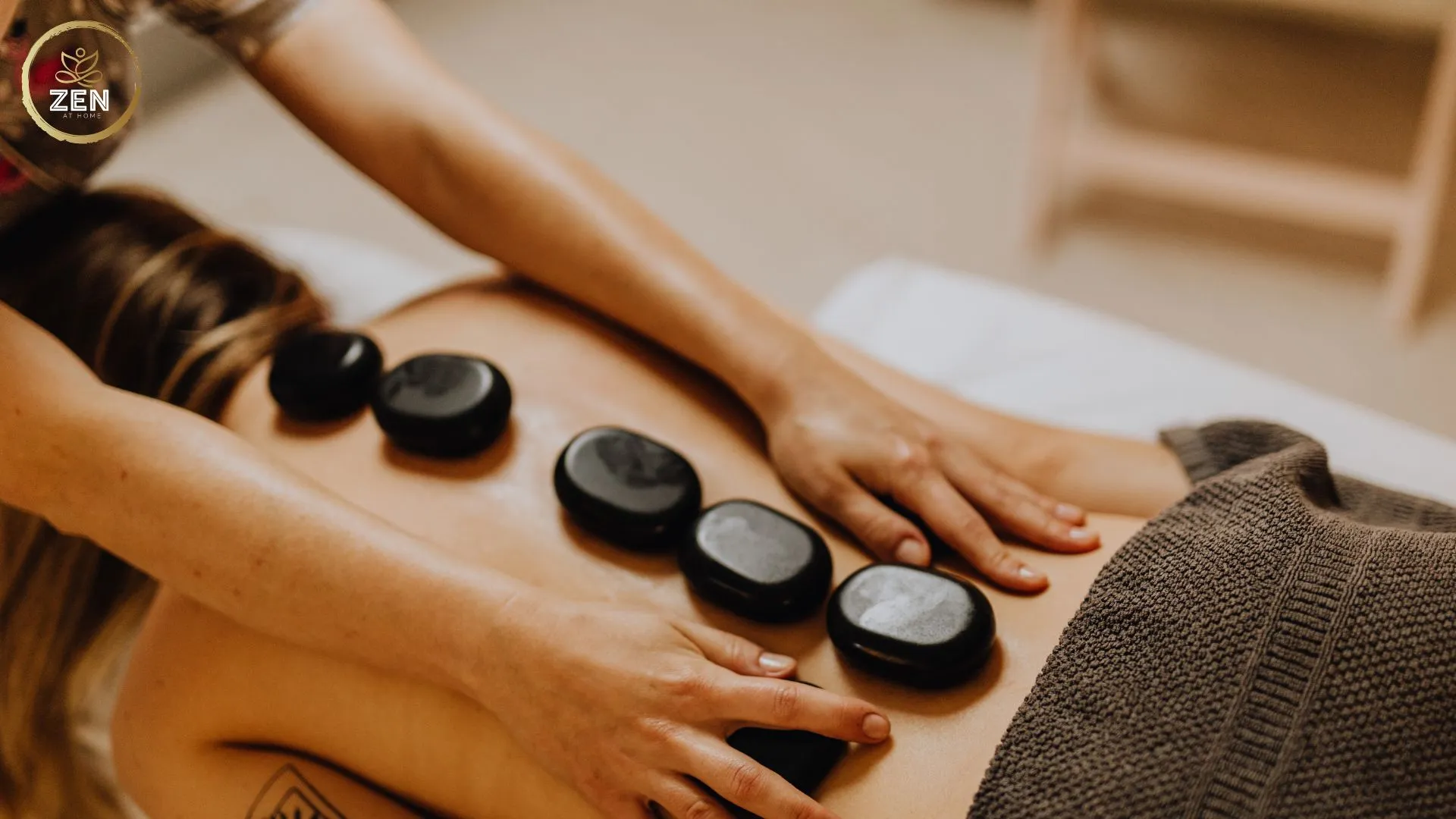
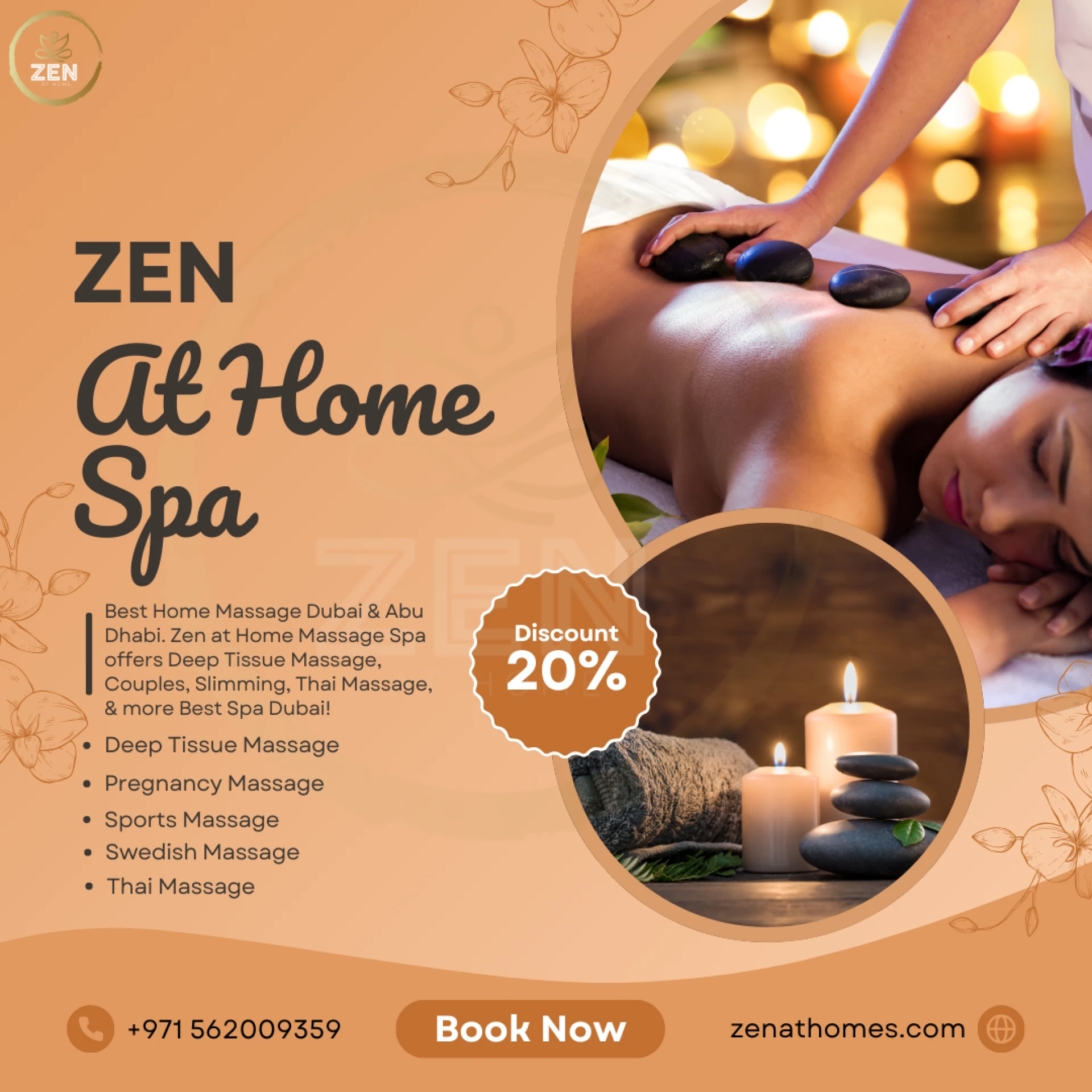
Hot stone massage is a form of massage therapy in which a trained practitioner uses smooth, heated stones alongside hands-on massage techniques.
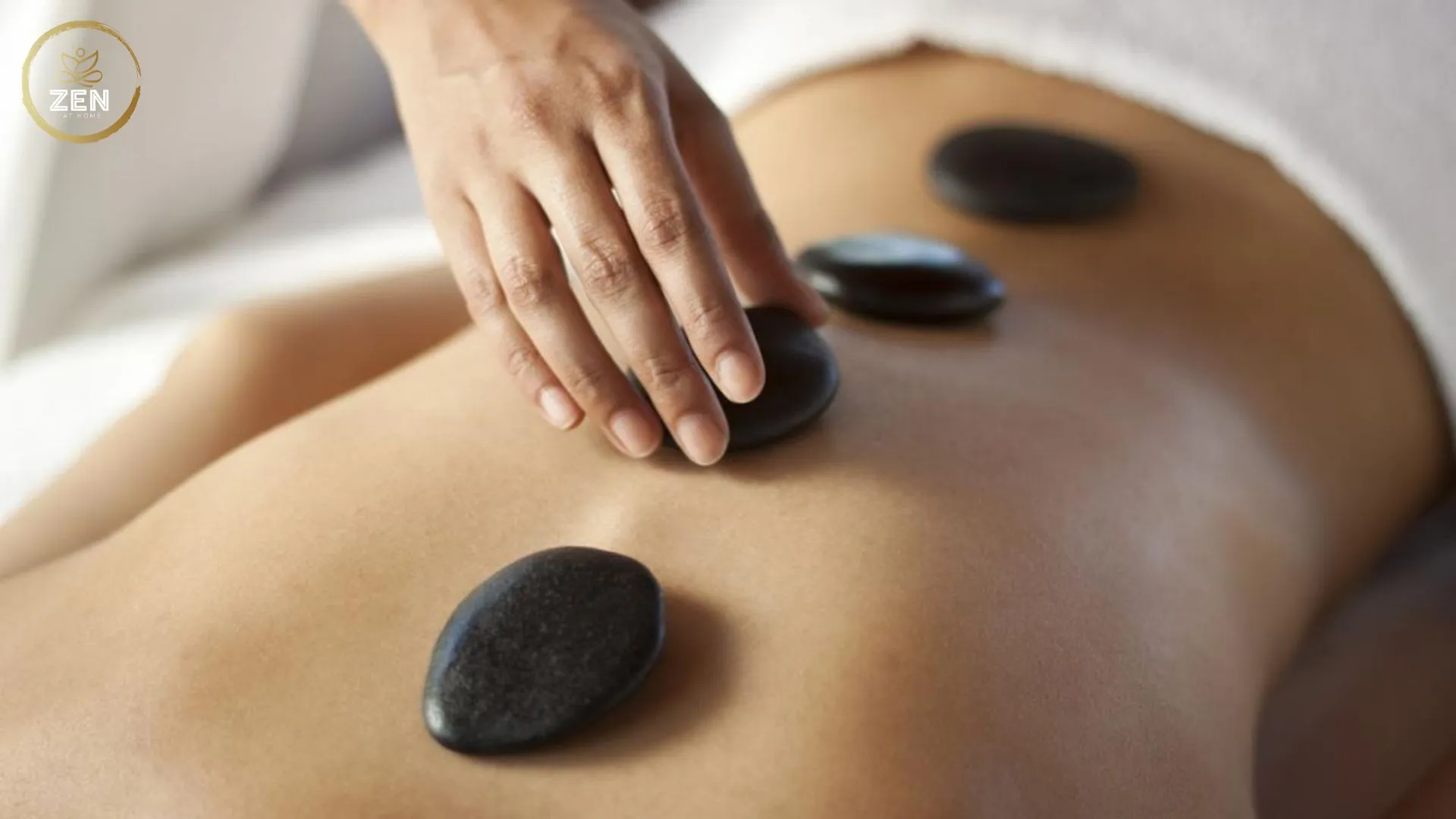
Basalt stones are commonly used because this dense volcanic rock retains heat well. Some stones may be placed temporarily on selected areas of the body, while others are held by the therapist and moved over the muscles during massage.
The treatment therefore involves more than simply lying underneath warm stones. The stones act as additional tools within the massage, allowing warmth, pressure and traditional massage movements to be combined.
The National Center for Complementary and Integrative Health's guide to massage therapy explains that massage encompasses many different techniques involving manipulation of the body's soft tissues. Hot stone therapy is one variation of this wider practice.
How Does Hot Stone Massage Work?
A hot stone treatment normally combines warmth with familiar massage movements.
Before the massage begins, the stones are warmed using equipment designed to maintain controlled temperatures. A trained therapist should assess the client's health history, heat sensitivity and areas of concern before applying them.
During the treatment, the therapist may first use conventional massage strokes to warm and relax the body. Heated stones can then be incorporated into long gliding movements, gentle pressure or temporary placements.
Warmth can make tense areas feel more comfortable and may allow massage to be performed without relying entirely on stronger manual pressure.
That difference is one reason people who want more than a very light relaxation massage—but do not enjoy aggressive deep-tissue pressure—may find hot stone massage appealing.
What Are the Benefits of Hot Stone Massage?
Hot stone massage is primarily a wellness and relaxation treatment rather than a medical cure.
Research specifically examining hot stone massage is much more limited than research on massage therapy in general. It is therefore important to distinguish between evidence concerning massage overall and claims made specifically about heated stones.
1. Deep relaxation
Relaxation is arguably the clearest reason people choose hot stone therapy.
Warmth, a calm environment and slow massage movements can combine to create a deeply soothing experience. Many people find that warming tight areas makes it easier to stop consciously holding tension in their shoulders, back or legs.
The result can be a feeling of physical and mental calm that continues for some time after the appointment.
2. Temporary relief from muscle tension
Massage may temporarily reduce the feeling of tightness or discomfort in muscles.
Heat can also make an area feel less stiff, which is why the combination of warmth and massage can be particularly pleasant after prolonged sitting, demanding work or everyday physical activity.
This does not mean hot stones permanently change muscles or correct the underlying cause of recurrent pain. Persistent or unexplained pain deserves proper medical assessment.
3. Short-term comfort for some types of pain
Massage therapy has been investigated for several pain conditions.
The NCCIH review of complementary approaches for chronic pain notes that massage may help with certain forms of pain, although evidence is often limited and benefits can be short-lived.
A systematic review of randomized controlled trials also found evidence that massage therapy could improve pain compared with several control conditions, while emphasizing limitations and variation across the research. Read the systematic review in PubMed Central.
Those findings relate to massage therapy generally, not proof that hot stone massage can treat a particular disease.
4. A gentler alternative to intense pressure
More pressure is not automatically better.
Someone who finds deep tissue massage uncomfortable may prefer the combination of moderate pressure and warmth used during many hot stone treatments.
Because treatment styles differ between therapists, tell your practitioner how much pressure and heat you prefer rather than assuming every hot stone session will feel the same.
5. A useful relaxation ritual
One benefit that is difficult to measure in a laboratory is the value of deliberately setting aside uninterrupted time to relax.
A massage appointment removes many common distractions: screens, work, notifications and household tasks. Combined with warmth and touch, that environment may make it easier to switch attention away from everyday stress.
What Does a Hot Stone Massage Feel Like?
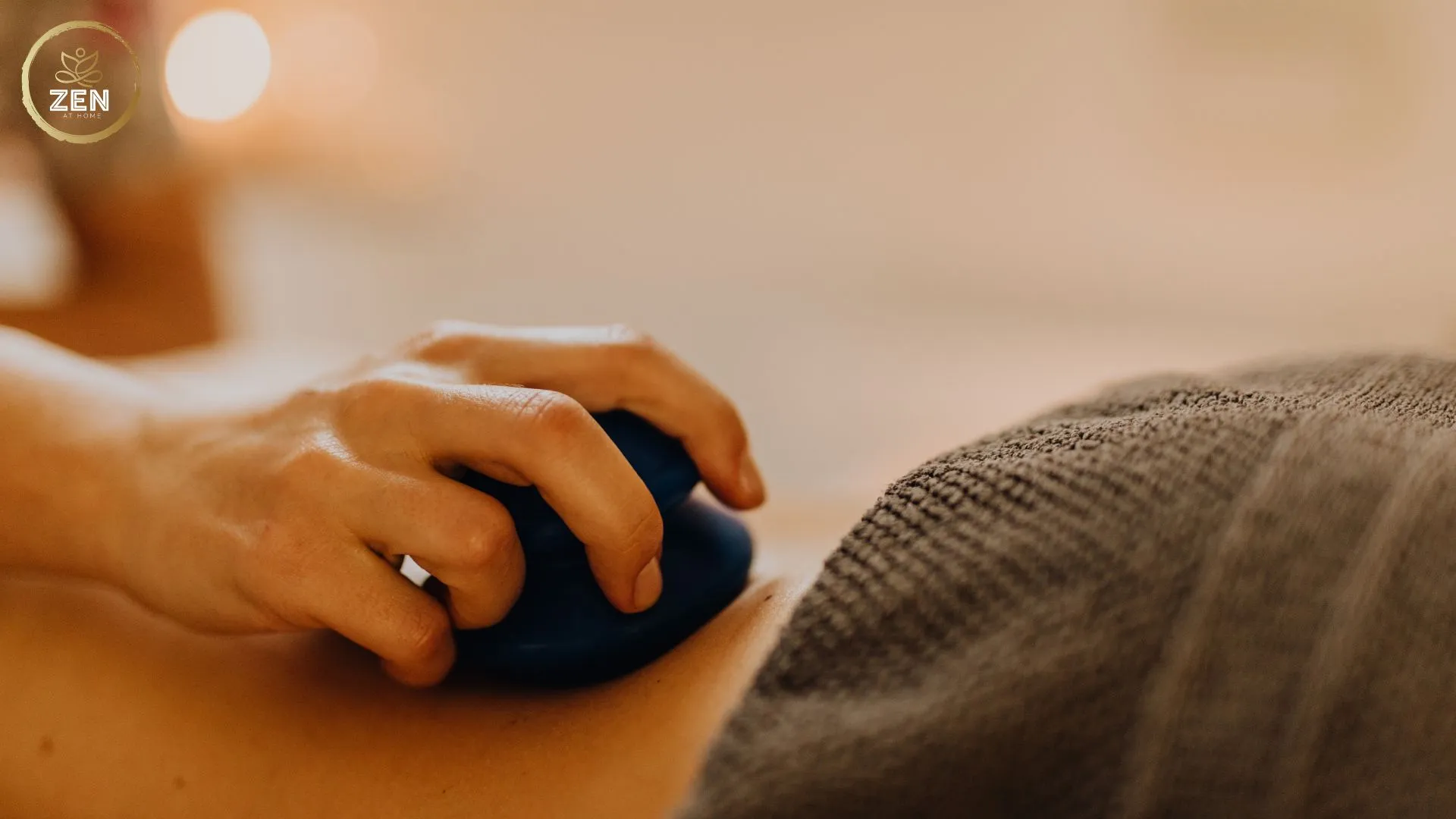
A well-performed hot stone massage should feel comfortably warm rather than painfully hot.
When a warmed stone first touches the body, you will normally notice concentrated heat at the surface. As the therapist moves the stone, that sensation becomes more diffuse.
The pressure varies according to the technique and your preferences. Some treatments are light and relaxation-focused, while others incorporate firmer massage strokes.
You should never feel that you have to tolerate excessive heat because it is part of the treatment. Tell the therapist immediately if a stone feels too hot, if your skin feels uncomfortable or if the pressure needs adjusting.
What to Expect During a Hot Stone Massage
Knowing the sequence beforehand can make a first appointment much easier to understand.
Before the session
A responsible therapist should ask about relevant health conditions, medications, injuries, skin problems and your previous experience with massage or heat.
You should also have an opportunity to discuss which areas you would like treated and what level of pressure feels comfortable.
Depending on the treatment, you may be asked to undress to your comfort level and lie beneath a sheet or towel. Professional draping should keep areas not being treated covered.
During the massage
The therapist may begin with traditional massage techniques before introducing the stones.
Some stones may be used as massage tools and moved across larger muscle groups. Others may be placed temporarily in selected positions, usually with appropriate attention to temperature and skin protection.
The exact sequence differs between practitioners, so do not expect every hot stone massage to follow an identical routine.
The important elements are controlled heat, appropriate pressure, hygiene and ongoing communication.
After the session
Many people feel very relaxed immediately afterward.
Take your time when getting up, particularly if you have been lying still for a long session. Mild temporary tenderness is possible after massage, especially if firmer pressure was used, but significant pain or skin burning is not an expected goal of treatment.
Is Hot Stone Massage Safe?
Hot stone massage can be appropriate for many healthy adults when performed correctly by a properly trained practitioner, but the addition of heat introduces precautions that do not apply in exactly the same way to every standard massage.
The principal avoidable risk is excessive heat. Stones should never feel painfully hot, and therapists should use proper equipment and procedures for temperature control.
The client's ability to feel heat is also important. Reduced sensation can make it harder to recognize temperatures that could injure the skin.
Hot stone massage should not be treated as a substitute for medical care when someone has persistent pain, swelling, weakness, numbness, unexplained symptoms or a recent significant injury.
For additional medically reviewed consumer information, see WebMD's overview of hot stone massage.
Who Should Avoid Hot Stone Massage?
Certain medical conditions or circumstances may require avoiding the treatment, modifying it or obtaining medical advice first.
Extra caution may be necessary for people with reduced skin sensation or neuropathy, circulation problems, active skin conditions, open wounds, recent injuries, fever or other conditions that affect their response to heat.
Pregnancy and some medications or medical conditions may also change what type of massage or heat exposure is appropriate.
This is why completing an accurate health intake before the treatment matters.
If you have a diagnosed medical condition or are unsure how you respond to heat, ask an appropriate healthcare professional before booking rather than relying on a general wellness article.
Hot Stone Massage vs Swedish Massage vs Deep Tissue Massage
These treatments overlap, but the experience can be quite different.
| Massage type | Main characteristic | Typical pressure | Often chosen for |
|---|---|---|---|
| Hot stone massage | Heated stones plus massage | Light to moderate, sometimes firmer | Warmth, relaxation and muscle tension |
| Swedish massage | Long, flowing manual strokes | Light to moderate | General relaxation and first-time massage |
| Deep tissue massage | More focused manual pressure | Moderate to firm | Persistent muscular tightness and targeted areas |
If relaxation and warmth are your priorities, hot stone massage may be the most appealing.
If you want a straightforward full-body massage without heat, Swedish massage may be a better fit.
If you specifically prefer stronger, targeted pressure, you may prefer deep tissue massage.
There is no universally “best” massage. The better choice depends on your goal, health history, pressure preference and tolerance for heat.
How to Prepare for a Hot Stone Massage
Preparation does not need to be complicated.
Avoid arriving immediately after an unusually large meal, and give yourself enough time to complete any health forms without rushing.
Tell the therapist about injuries, medical conditions, medications, recent procedures and unusual sensitivity to heat.
You should also mention exactly what you want from the treatment. Someone booking primarily for relaxation may want a different level of pressure from someone concerned about muscular tightness.
Most importantly, do not assume that discomfort means the treatment is working. Temperature and pressure can be adjusted throughout the appointment.
What to Do After a Hot Stone Massage
After your massage, allow yourself a few minutes to transition back to normal activity instead of immediately rushing away.
Drink according to your normal thirst and hydration needs. You do not need to consume excessive amounts of water to supposedly “flush toxins” released by the massage; that popular spa claim is not well supported by scientific evidence.
If you feel relaxed or sleepy afterward, consider keeping the remainder of the day relatively easy when practical.
Pay attention to your skin as well. Persistent redness, blistering or burning pain is not a normal relaxation response and should be treated appropriately.
How Often Should You Get a Hot Stone Massage?
There is no medically established schedule that everyone should follow.
Someone using massage occasionally for relaxation may book only when they feel they need it. Others enjoy a regular monthly treatment.
Your preferred frequency should depend on how you respond, your goals, your budget and any guidance relevant to your health.
More frequent sessions do not automatically produce better results.
Hot Stone Massage Myths: What the Evidence Actually Says
Hot stone treatments are sometimes promoted with claims that go far beyond what research can demonstrate.
For example, massage is often said to “remove toxins,” permanently break down problematic tissue or cure chronic medical conditions. Those statements should be treated cautiously.
A more realistic description is that massage can provide a relaxing experience and may offer temporary improvements in muscular comfort or certain symptoms for some people.
That may sound less dramatic, but accurate expectations make it easier to decide whether the treatment is actually right for you.
Frequently Asked Questions About Hot Stone Massage
How hot are the stones in a hot stone massage?
They should be warm enough to provide comfortable heat but never so hot that they cause pain or burning. Professional practices vary in their exact heating protocols, and individual heat sensitivity matters.
What type of stones are used?
Smooth basalt stones are commonly used because the volcanic rock retains heat efficiently and can be shaped into smooth massage tools.
Does hot stone massage hurt?
It should not need to hurt. Pressure and temperature should remain within your comfort level, and you can ask the therapist to change either at any point.
How long does a hot stone massage last?
A typical full treatment may last around 60 to 90 minutes, although shorter and longer appointments are available depending on the provider.
What should I wear to a hot stone massage?
Wear comfortable clothing to the appointment. For the massage itself, the therapist should explain the treatment and allow you to undress only to your comfort level while using professional draping.
Is hot stone massage better than Swedish massage?
Not universally. Hot stone massage is better suited to someone who enjoys sustained warmth, while Swedish massage may suit someone who prefers traditional hands-on relaxation without heated stones.
Is hot stone massage the same as deep tissue massage?
No. Deep tissue massage is primarily defined by targeted manual techniques and firmer pressure. Hot stone massage is defined by the integration of heated stones and may be performed with considerably gentler pressure.
Can a hot stone massage help with stress?
Many people use massage specifically for relaxation, and massage therapy has been studied for outcomes including anxiety and wellbeing. Individual results differ, however, and hot stone massage should not be presented as treatment for an anxiety disorder.
Can hot stone massage help you sleep?
Some people feel sleepy or particularly relaxed after massage and may notice that they sleep well afterward. Evidence specifically proving that hot stone massage improves sleep disorders is limited.
Should you shower after a hot stone massage?
There is usually no special requirement to shower immediately. Some people prefer to wash off massage oil afterward, while others wait until later. Follow any specific advice provided by your therapist.
Can you exercise after a hot stone massage?
Light normal activity may be comfortable, but if the treatment leaves your muscles feeling particularly relaxed or tender, you may prefer to postpone an intense workout until you feel ready.
How often should you have hot stone massage?
There is no universal interval. Occasional sessions may be enough for relaxation, while some people choose regular appointments according to preference, cost and how their body responds.
Final Thoughts
Hot stone massage combines the familiarity of traditional massage with controlled warmth from smooth heated stones. For many people, its greatest appeal is straightforward: it creates a warm, calming environment in which tense muscles and a busy mind may find it easier to relax.
Its potential benefits should still be kept in perspective. Massage may provide short-term relaxation and physical comfort, but hot stone therapy is not a cure for medical conditions and exaggerated “detox” or permanent-healing claims are unnecessary.
Choose a properly trained practitioner, provide an accurate health history, communicate openly about temperature and pressure, and select the massage style that best matches what you actually want from the session.






















Sign in to leave a comment.