

A good night's sleep is essential for physical health, mental wellbeing, and overall quality of life. Yet millions of people struggle to fall asleep or stay asleep, often turning to supplements, sleep aids, or expensive gadgets in search of relief. One natural method that has gained increasing attention is soaking in a hot tub before bedtime. But does it actually work? The science suggests that it can—and understanding why may help you create a healthier evening routine.
How Body Temperature Affects Sleep
Sleep is closely linked to your body's internal clock, also known as the circadian rhythm. As bedtime approaches, your core body temperature naturally begins to drop. This decline signals to your brain that it's time to prepare for sleep.
While it may seem counterintuitive, spending time in a hot tub can actually support this natural process. Warm water raises your skin temperature and increases blood flow to your hands and feet. Once you leave the hot tub, your body begins cooling down rapidly, encouraging the drop in core temperature that promotes drowsiness.
This cooling effect helps your body transition more smoothly into sleep, making it easier to fall asleep and potentially improving sleep quality throughout the night.
What Research Says
Several scientific studies have explored the relationship between warm-water immersion and sleep. Researchers have found that taking a warm bath or soaking in a hot tub approximately 60 to 90 minutes before bedtime can reduce the time it takes to fall asleep.
A comprehensive review published in Sleep Medicine Reviews concluded that passive body heating significantly improved sleep onset and overall sleep efficiency. Participants generally fell asleep faster and experienced more restful sleep after warming their bodies before bed.
The timing appears to be particularly important. Entering a hot tub immediately before going to sleep may not provide the same benefits because your body needs time to cool naturally after the soak.
Stress Reduction Plays a Key Role
One of the biggest obstacles to quality sleep is stress. Racing thoughts, muscle tension, and elevated stress hormones can all interfere with falling asleep.
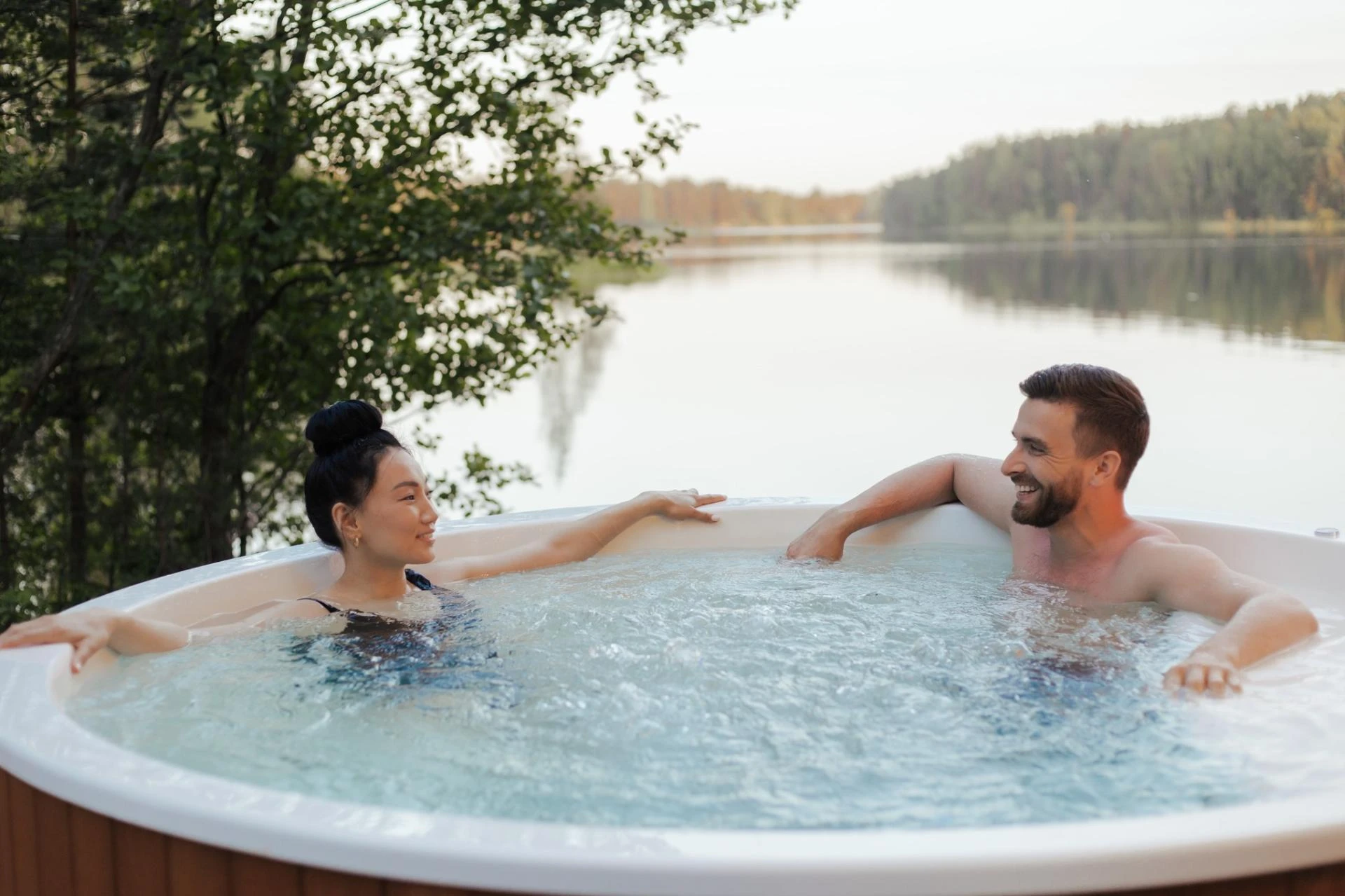
Hot tubs provide more than just warmth—they also create a calming environment. The combination of warm water, buoyancy, and massaging jets helps relax tense muscles while encouraging the body to release endorphins, the natural chemicals associated with relaxation and wellbeing.
As stress levels decrease, heart rate and muscle tension often follow, creating ideal conditions for restful sleep. Many people find that simply spending 20 minutes in a hot tub helps them mentally disconnect from the pressures of the day.
Additional Health Benefits That Support Better Sleep
Better sleep isn't the only benefit associated with regular hot tub use. Soaking may also help relieve minor aches and joint stiffness, making it easier to get comfortable at night. People who exercise regularly often use hot tubs to reduce post-workout soreness, while older adults may appreciate the relief from everyday muscle discomfort.
Improved circulation, gentle muscle relaxation, and reduced physical tension can all contribute to a more comfortable night's rest, particularly for individuals dealing with everyday stress or mild physical discomfort.
Tips for Safe and Effective Hot Tub Use
To maximise the sleep-enhancing benefits, follow a few simple guidelines:
- Keep the water temperature between 37°C and 40°C (98°F–104°F).
- Limit sessions to 15–30 minutes.
- Plan your soak 60–90 minutes before bedtime.
- Stay hydrated before and after using the hot tub.
- Avoid alcohol while soaking, as it increases the risk of dehydration and overheating.
- If you have cardiovascular conditions or are pregnant, consult your healthcare provider before regular hot tub use.
Conclusion
While a hot tub isn't a cure for chronic insomnia or serious sleep disorders, scientific evidence suggests it can be an effective part of a healthy bedtime routine. By encouraging the body's natural cooling process, reducing stress, and relaxing muscles, a warm soak may help you fall asleep faster and enjoy deeper, more restorative rest.
When combined with other healthy sleep habits—such as maintaining a consistent bedtime, limiting screen time in the evening, and keeping your bedroom cool and dark—a nightly hot tub session can become a simple yet powerful ritual for improving sleep quality.
If you're looking for a natural way to unwind after a busy day, the science indicates that your hot tub may offer more than relaxation—it could be one of the easiest ways to help your body prepare for a better night's sleep.

























Sign in to leave a comment.