


Managing a medical practice requires a delicate balance between providing quality patient care and maintaining financial stability. One of the most significant decisions a healthcare provider faces is how to handle the complex world of insurance claims. Finding the best medical billing services is a priority for practices that want to minimize claim denials and maximize their monthly revenue.
The choice between keeping billing in-house or outsourcing it to a professional firm is not a one size fits all solution. Each model offers unique advantages and potential drawbacks. In this guide, we will break down the differences to help you determine which path aligns with your practice goals.
Understanding In-House Medical Billing
In-house medical billing means your practice employs a dedicated team or individual to handle the entire billing process on-site. This includes everything from data entry and claim submission to following up on unpaid balances.
The Benefits of In-House Billing
1. Direct Control and Oversight
When your billers are in the same building, you have immediate access to your financial data. You can walk down the hall to ask a question or check the status of a specific claim. This level of transparency provides a sense of security for many providers.
2. Personalized Patient Interaction
In-house billers often know the patients personally. If a patient has a question about their statement while at the front desk, your staff can resolve it immediately. This face to face communication can lead to higher patient satisfaction and a more personal touch.
3. Integration with Clinical Workflows
Since the billing team is part of the daily office routine, they are closely aligned with the clinical staff. This proximity can lead to faster resolution of coding errors or missing documentation, as the biller can easily consult with the physician.
The Challenges of In-House Billing
1. High Overhead Costs
Hiring billing staff is expensive. Beyond salaries, you must account for benefits, payroll taxes, and office space. Additionally, you are responsible for purchasing and maintaining the necessary hardware and software.
2. Staffing and Turnover Issues
If your solo biller goes on vacation or resigns, your billing process stops. This can lead to a massive backlog of claims and a sudden drop in cash flow. Recruiting and training new staff is both time consuming and costly.
Exploring Outsourced Medical Billing
Outsourcing involves hiring a third party company to manage your revenue cycle. These firms specialize specifically in billing and coding, allowing your office staff to focus entirely on patient care.
The Benefits of Outsourced Billing
1. Significant Cost Savings
Outsourcing typically operates on a percentage of the collected revenue. This means you only pay for results. You eliminate the need for employee benefits, expensive office equipment, and ongoing training costs.
2. Access to Specialized Expertise
Billing companies employ experts who stay updated on the latest ICD-10 codes and insurance regulations. Their primary goal is to ensure claims are clean before submission. This expertise often leads to a significant reduction in claim denials.
3. Enhanced Consistency
A professional billing company has dozens of employees. If one person is sick or on leave, another steps in immediately. Your claims are submitted every single day, ensuring a steady and predictable flow of revenue into your practice.
The Potential Drawbacks of Outsourcing
1. Less Direct Control
Some providers feel uneasy not having their billing files within physical reach. You are relying on an external partner to represent your financial interests. However, modern reporting tools usually mitigate this concern by providing 24/7 digital access to data.
2. Variable Costs
Because most billing firms charge a percentage of collections, your costs will increase as your practice grows. While this is usually balanced by the increase in revenue, it is a factor to consider when budgeting for the long term.
Comparing the Costs: A Direct Look
When deciding between the two models, it is essential to look at the total cost of ownership. For an in-house team, the expenses are fixed and often hidden. You are paying for software licenses, clearinghouse fees, and the physical space the staff occupies.
With outsourcing, the cost is variable. While the percentage might seem high at first glance, it often covers everything from postage for patient statements to the cost of the billing technology itself. Most practices find that the increased collection rate from an outsourced firm more than covers their service fee.
The Role of Technology in Revenue Management
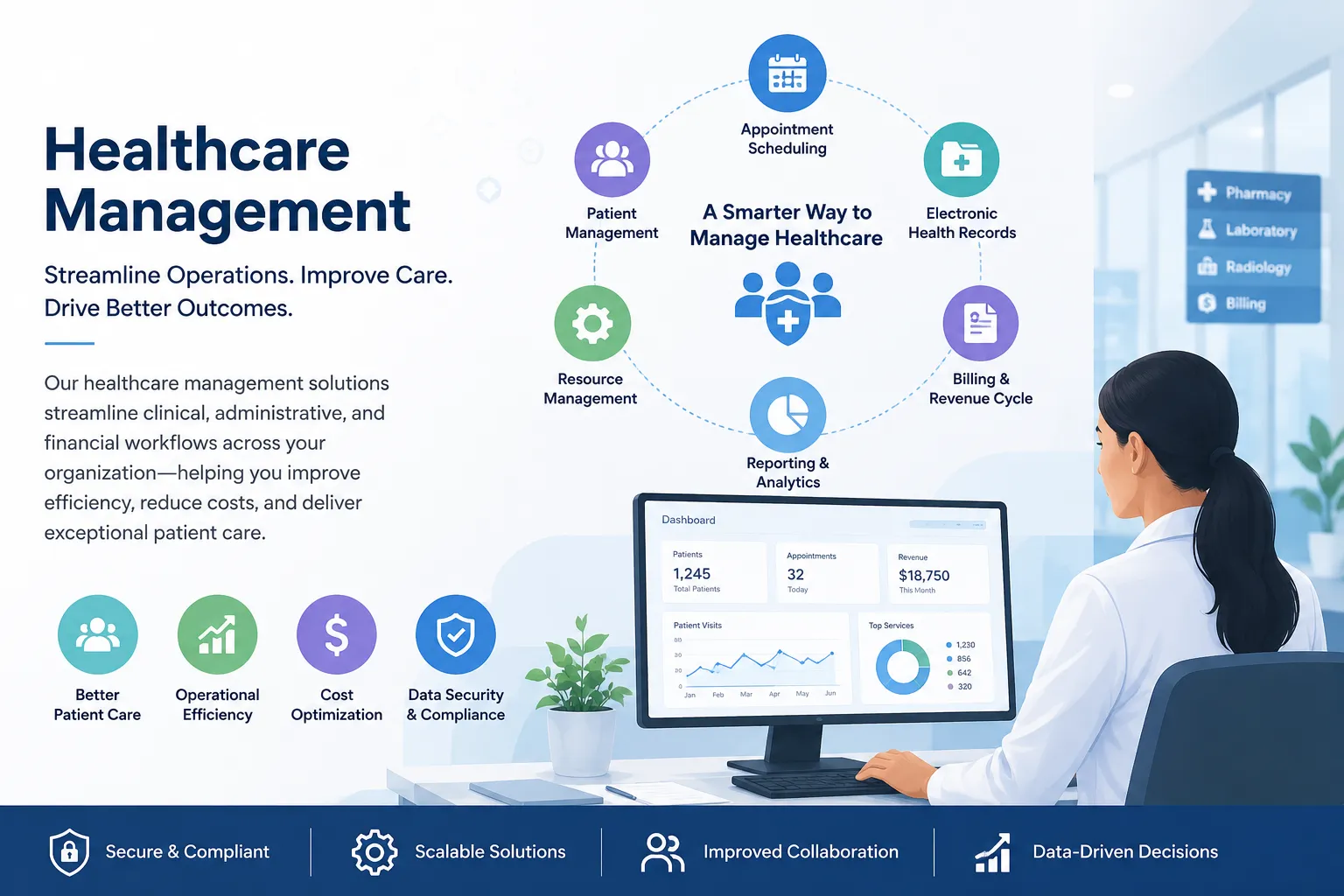
Whether you choose an internal team or an external partner, technology plays a vital role in your success. High performing practices often look for the best revenue cycle management software to bridge the gap between clinical data and financial outcomes.
Modern software solutions offer automated eligibility verification and real time claim tracking. If you keep billing in-house, investing in top tier software is mandatory to keep up with industry standards. If you outsource, ensure your partner uses a platform that offers transparent reporting and easy integration with your existing electronic health records.
Key Factors to Consider for Your Practice
To make the final decision, ask yourself the following questions:
Conclusion
Both in-house and outsourced billing models have the potential to support a thriving practice. In-house billing offers maximum control and a personal touch, while outsourcing provides specialized expertise, reduced overhead, and consistent cash flow.
By evaluating your current financial health and your long term growth goals, you can choose the strategy that allows you to spend less time on paperwork and more time with your patients.
Frequently Asked Questions
1. How long does it take to transition to an outsourced billing service?
The transition typically takes between 30 to 60 days. This period involves setting up software integrations, credentialing verification, and established communication protocols between your office and the billing company.
2. Will I lose access to my patient data if I outsource?
No. Professional billing companies use cloud based platforms that allow you to log in and view your financial reports and patient account statuses at any time.
3. Is outsourced billing more secure than in-house billing?
Reputable billing firms invest heavily in HIPAA compliant security measures and encrypted data storage. In many cases, their security protocols are more advanced than those of a standard small medical office.
4. Can I outsource only a portion of my billing?
Yes. Many companies offer flexible services. You might choose to handle patient collections in-house while outsourcing the complex insurance claim submissions and appeals.
5. How do billing companies handle denied claims?
A dedicated billing firm will have a systematic process for denial management. They analyze the reason for the rejection, correct the errors, and resubmit the claim within the insurance company's required timeframe.
























Sign in to leave a comment.