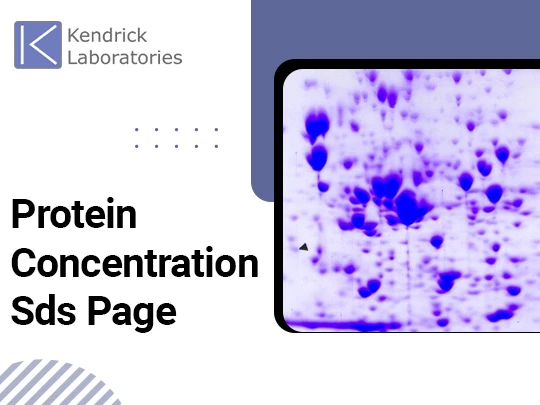

You may be curious about how 2D gel electrophoresis, an imperative tool in molecular biology research, can reveal intricate protein mixtures with precision and accuracy. Kendrick Labs utilizes this technique to separate and analyse complex protein samples, enabling researchers like you to unravel the mysteries hidden within biological systems. Let's probe into the fascinating world of 2D gel electrophoresis and discover how it can unveil the secrets of proteins within your samples.
Principles of 2D Gel Electrophoresis
Separation by Charge
Your journey into understanding 2D gel electrophoresis begins with the principle of separation by charge. In this technique, proteins are first separated by their isoelectric point (pI), which is the pH at which a protein carries no net charge. By placing the protein mixture on a gel with a pH gradient, each protein will migrate to a position in the gel where the pH matches its pI. This separation step allows you to isolate individual proteins based on their charge characteristics.
Separation by Size
For the second dimension of separation, you will focus on separating proteins based on their size. This is achieved by subjecting the proteins separated by charge to a second gel electrophoresis, this time based on their molecular weight. The proteins move through the gel at different rates, with larger proteins moving more slowly than smaller ones. By the end of this step, you will have a 2D gel with proteins separated by both charge and size, providing you with a comprehensive view of the protein mixture.
A deeper understanding of the separation by size involves recognizing that the gel used in this step is typically a polyacrylamide gel with a concentration gradient. This gradient allows proteins of different sizes to be separated effectively, as smaller proteins can navigate through the pores of the gel more easily than larger proteins. By combining the separation by charge and size dimensions, you can unravel the complexity of protein mixtures and gain valuable insights into the composition of biological samples.
Complexity of Protein Mixtures
Even with advancements in technology, the analysis of protein mixtures remains a daunting task due to the sheer complexity of these biological samples. Proteins can vary widely in size, shape, and function, making it challenging to separate and identify individual components within a mixture.
Types of Proteins
Structural ProteinsEnzymesTransport ProteinsSignaling ProteinsRegulatory ProteinsKnowing the different types of proteins present in a mixture can provide insight into the biological processes and pathways that are active in the sample, helping you unravel the complexity of the protein mixture.
Structural Proteins
Provide support and shape to cells and tissues
Enzymes
Catalyze biochemical reactions
Transport Proteins
Facilitate the movement of molecules across membranes
Signaling Proteins
Regulate cell communication and response
Regulatory Proteins
Control gene expression and other cellular processes
Post-Translational Modifications
Mixtures of proteins can further complicate the analysis by containing various post-translational modifications (PTMs). These modifications, such as phosphorylation, glycosylation, and acetylation, can alter a protein's structure, function, and interaction with other molecules.
With the addition of PTMs, the complexity of protein mixtures increases exponentially, as each modification can give rise to multiple protein variants with distinct properties. Understanding the role of these modifications is crucial for deciphering the functions and regulatory mechanisms of proteins within the mixture.
The Role of Kendrick Labs
Providing High-Quality Protein Samples
Samples provided by Kendrick Labs are important for the success of your 2D gel electrophoresis experiments. These samples are meticulously prepared to ensure the highest quality and consistency, resulting in reliable and reproducible results. With Kendrick Labs' expertise, you can trust that your protein samples are of the utmost quality.
Expertise in Protein Analysis
An integral part of Kendrick Labs' role is their expertise in protein analysis. They have a team of skilled scientists who are well-versed in the intricacies of 2D gel electrophoresis and can provide valuable insights into your experimental results. Their knowledge and experience in protein analysis ensure that you receive accurate and detailed data from your experiments.
It's crucial to have experts like Kendrick Labs on your side when delving into the complexities of protein analysis. Their in-depth understanding of the techniques and technologies involved in 2D gel electrophoresis can help you interpret your results effectively and make meaningful conclusions about your protein mixtures.
How 2D Gel Electrophoresis Works
Isoelectric Focusing
The first step in 2D gel electrophoresis is isoelectric focusing. This process separates proteins based on their isoelectric point (pI), which is the pH at which a protein is electrically neutral. The proteins migrate through a gel that has a pH gradient, moving towards the anode or cathode depending on their charge. As the proteins reach their pI, they stop migrating, resulting in separation based on their pI values.
Sodium Dodecyl Sulfate Polyacrylamide Gel Electrophoresis (SDS-PAGE)
After isoelectric focusing, the next step in 2D gel electrophoresis is SDS-PAGE. In this process, the proteins are further separated based on their molecular weight. Sodium Dodecyl Sulfate (SDS) is used to denature the proteins and give them a negative charge based on their length, masking any charge they may have had. The proteins are then run through a polyacrylamide gel, where smaller proteins move faster towards the anode while larger proteins move slower.
Additional Information on Sodium Dodecyl Sulfate Polyacrylamide Gel Electrophoresis (SDS-PAGE)
Electrophoresis is the key principle behind SDS-PAGE, where an electric field is applied to the gel, causing the proteins to move based on their size. The smaller proteins can easily navigate through the pores of the gel, while larger proteins face more hindrance and migrate slower. This results in each protein being separated by both isoelectric point and molecular weight, providing a comprehensive analysis of the protein mixture.
Advantages of 2D Gel Electrophoresis
High Resolution
An advantage of 2D gel electrophoresis is its high resolution, allowing you to separate and visualize a complex mixture of proteins in great detail. This method separates proteins based on two properties, their isoelectric point and molecular weight, providing you with a comprehensive view of the protein composition in your sample. With this technique, you can detect even subtle differences between proteins, giving you a deeper understanding of the protein components present.
Final Words
Considering all points discussed about how 2D Gel Electrophoresis unveils complex protein mixtures provided by Kendrick Labs, you now have a clearer understanding of the process and its significance in analyzing complex biological samples. This technique allows for the separation and visualization of thousands of proteins in a single sample, providing valuable insights into protein expression patterns and facilitating the identification of potential biomarkers.
After all is said and done, the use of 2D Gel Electrophoresis by Kendrick Labs demonstrates the power of this method in unraveling the intricate world of proteomics. By employing this advanced technique, researchers are able to probe deeper into the complexities of protein mixtures, paving the way for groundbreaking discoveries in various fields such as medical research, biotechnology, and pharmaceuticals. Your knowledge of this technique will undoubtedly contribute to your understanding of protein analysis and its vital role in advancing scientific knowledge and technological innovation.
































Sign in to leave a comment.