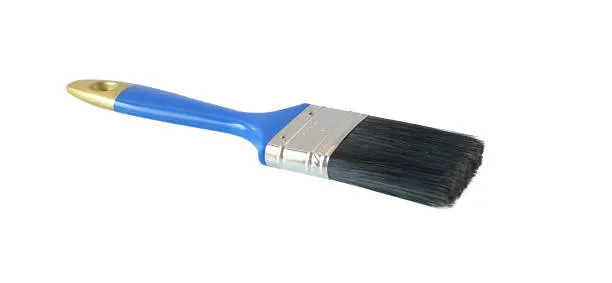


Painting small surfaces sounds easy until you actually try it. Tight corners, narrow trims, awkward edges… stuff that doesn’t forgive sloppy tools. This is where 6 inch paint rollers start to make a lot more sense than the standard 9-inch setup. Not right away, though. Most people only realize it after fighting with oversized rollers that leave marks where they shouldn’t. Truth is, control matters more than coverage when you’re working in smaller zones. And a smaller roller just gives you that control, plain and simple.
Why Smaller Rollers Feel Easier to Handle
There’s something immediate you notice when you switch down to a 6-inch roller—it just feels lighter in the hand. Less bulk, less drag, less of that “I hope this doesn’t hit the trim” anxiety. You’re not wrestling the tool anymore. You’re guiding it. That difference matters more than people think. Especially when you’re doing detail work like cabinets, doors, or narrow walls between fixtures. A bigger roller can technically do the job, sure, but it doesn’t feel right. It’s like using a sledgehammer to tap in a nail. Overkill.
Better Control Means Cleaner Edges
Edges are where most paint jobs start to look amateur. Not because people don’t care, but because the tool makes it harder than it should be. With a standard roller, you’re constantly adjusting pressure, trying not to roll over tape lines or bump into adjacent surfaces. A 6-inch roller changes that dynamic. It gives you tighter control over where the paint lands. You can slow down, adjust your angle, and actually follow the line instead of guessing it. Less mess. Less cleanup. Fewer do-overs.
Working in Tight Spaces Without the Frustration
Small bathrooms, staircases, closets… these are the spots where big rollers become annoying real fast. You’re bumping into walls, fixtures, maybe even yourself. It breaks your rhythm. A smaller roller just fits better. It moves easier in confined areas, lets you reach awkward spots without twisting your wrist into weird angles. That alone can save time. And honestly, it saves your patience too. No one likes repainting a section because the roller was too wide to handle the space properly.
More Even Pressure on Small Surfaces
Here’s something people don’t talk about enough—pressure consistency. On smaller surfaces, it’s easy to apply uneven pressure with a large roller. One side pushes harder than the other, and suddenly you’ve got streaks or uneven texture. With a 6-inch roller, the pressure spreads more evenly across the surface you’re working on. It’s easier to keep things smooth. Less chance of roller marks. You’re not fighting the tool to keep it balanced.
Less Paint Waste, Better Precision
A bigger roller holds more paint. Sounds good on paper, but on small surfaces, it usually leads to over-application. You load it up, then realize there’s nowhere for all that paint to go. So it builds up. Drips happen. Or you spend extra time spreading it out thin. A 6-inch roller carries just enough. You apply what you need, where you need it. That’s it. It feels more controlled, less messy. Not perfect, but definitely cleaner.
When a Standard Roller Just Doesn’t Make Sense
There’s this habit people have—defaulting to 9-inch rollers for everything. Walls, ceilings, doors, trim, doesn’t matter. But not every job needs that width. In fact, a lot of them don’t. If the surface is under, say, a couple feet wide, using a large roller can slow you down more than it helps. You spend more time correcting mistakes than actually painting. Switching to a smaller roller in those cases just makes the workflow smoother. It’s not about working harder. It’s about working smarter, even if that sounds cliché.
Ideal for Detail-Oriented Projects
Think about projects where precision matters more than speed—furniture, built-ins, accent sections, even patchwork repairs. These aren’t jobs where you want to rush. A 6-inch roller lets you take your time without sacrificing consistency. You can blend edges better, control overlaps, and avoid that patchy look that sometimes shows up when you’re using oversized tools on small areas. It’s subtle, but the finish ends up looking more intentional. Less rushed.
Choosing the Right Tool for Specialty Coatings
Not all paints behave the same. Thicker coatings, like epoxy, need more control during application. That’s where tool choice becomes even more critical. When working on smaller sections of coated surfaces, picking the best roller for epoxy floor isn’t just about material—it’s also about size. A 6-inch option often gives better handling in tight or segmented areas where precision matters. You don’t want to overwork the coating or create uneven layers. Smaller rollers help you avoid that, even if it takes a bit longer.
It’s Not About Replacing Bigger Rollers
Let’s be clear—6-inch rollers aren’t replacing standard ones. They’re just another tool. You still need larger rollers for big, open walls. No way around that. But for smaller surfaces? Tight zones? Detail work? The smaller roller often does a better job. It’s not flashy. It doesn’t cover huge areas fast. But it gets things right. And sometimes that’s more important than speed.
Conclusion
At the end of the day, painting isn’t just about getting color on a surface. It’s about control, consistency, and not making your life harder than it needs to be. 6 inch paint rollers might seem like a minor adjustment, but they can change how a project feels while you’re doing it. Less frustration. Better results. Fewer mistakes to fix later. Not perfect, nothing ever is, but definitely a smarter choice when you’re working small.

























Sign in to leave a comment.