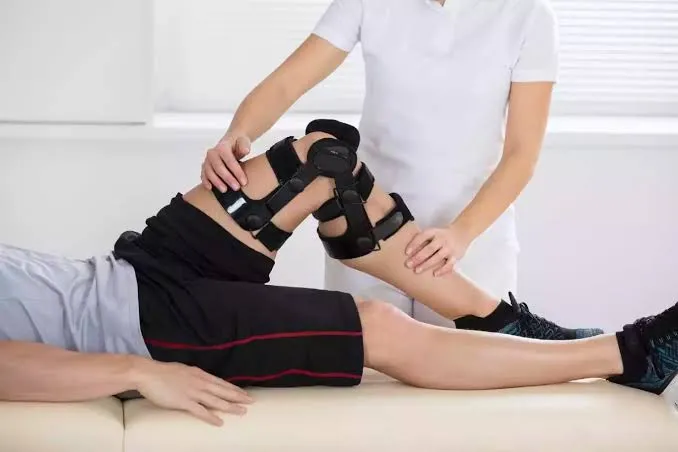

Movement is something most of us rarely think about until it becomes difficult. Whether it's walking across a room, climbing stairs, or holding a cup steadily, even simple actions can become challenging after a neurological condition. That's where a neurophysiotherapist in Punawale plays an important role, helping individuals rebuild movement, confidence, and independence through structured rehabilitation.
Understanding the Goal of Neurophysiotherapy
Unlike general physiotherapy, neurophysiotherapy focuses on conditions that affect the brain, spinal cord, and nerves. Recovery isn't about forcing muscles to become stronger overnight. Instead, it involves helping the nervous system relearn movement patterns through guided exercises and consistent practice.
Every rehabilitation program is tailored to the individual's condition, physical abilities, and personal goals, making each recovery journey unique.
The Journey Back to Better Mobility
Step 1: Understanding How You Move
Rehabilitation begins with observing how a person walks, balances, sits, stands, and performs everyday activities. This assessment highlights movement patterns that need improvement and forms the foundation for future therapy sessions.
Step 2: Rebuilding Coordination
Many neurological conditions affect the connection between the brain and the muscles. Therapy focuses on repeating controlled movements that encourage better coordination, helping everyday tasks gradually become smoother and more natural.
Step 3: Improving Functional Independence
Rather than concentrating only on exercises, neurophysiotherapy prepares people for real-life situations. Activities such as getting out of bed, using stairs, reaching for objects, or maintaining balance while walking become important parts of rehabilitation because they directly improve daily independence.
Step 4: Supporting Long-Term Progress
Recovery rarely follows a straight line. Some days bring noticeable improvements, while others require patience and persistence. Regular therapy sessions help monitor progress, introduce new challenges, and ensure that improvements continue over time instead of plateauing.
How Is It Different from Orthopedic Physiotherapy?
Although both specialties focus on improving movement, they address different concerns. A orthopedic physiotherapist in Punawale primarily treats problems related to bones, joints, muscles, ligaments, and recovery after fractures or orthopedic surgeries. Neurophysiotherapy, on the other hand, concentrates on restoring movement affected by neurological conditions by retraining the body and nervous system to work together more effectively.
The Bottom Line
Restoring mobility is a gradual process built on consistency, patience, and personalized rehabilitation. Every successful step, whether it's standing without support or walking with greater confidence, reflects progress that goes far beyond physical movement. With the right guidance and a structured rehabilitation program, individuals can steadily regain independence and improve their ability to participate in everyday life.




























Sign in to leave a comment.